



Tips For Dog Nutrition

Ensuring proper nutrition for your dog is crucial for their overall health and well-being. Here are some tips to help you provide the best nutrition for your furry friend. […]
What Should Senior Cats Eat?

As they get older the dietary needs of adult, mature, and senior cats change. As such, it is critical to obtain information on the optimal daily feeding quantities required to keep them healthy. […]

Healthy Pets, Happy Life: Pet Nutrition for a Lifetime of Wellness

As a pet owner, you want to make sure your furry friend gets the best nutrition for their health and happiness. […]

Doggy Digestive Health

Because we want our companion pooches to be in the best possible condition, we make sure to give them plenty of exercise, the best nutrition available, and keep them off sweets and other unhealthy treats. […]
What To Look For On Pet Food Labels

“Crude ash content 5%, moisture content 12%, fibre content 3%, steak flavoured meal”; Such statistics and this type of wording are all found on pet food packaging but a straw poll among pet owners will quickly reveal that few know what these values and claims mean. […]
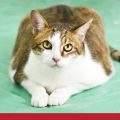
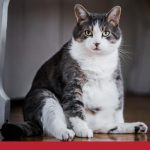
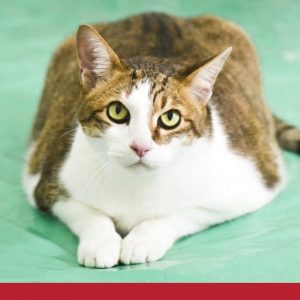
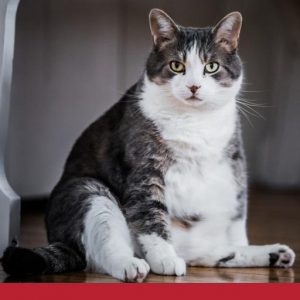
Overweight cat lying on hospital floor

What To Do When Your Cat Is Overweight

Overweight and obese cats have shorter lives compared to cats that maintain their ideal body weight. Additional weight also comes with health risks. Possible diseases and conditions that overweight and obese cats tend to suffer from include […]

Why You Should Adjust A Senior Dog’s Diet

Dogs have different dietary and nutritional requirements at different life stages. Senior dogs often have very specific needs that have to be met to promote quality of life and even life expectancy. Sometimes it’s challenging to feed them, but often small changes can improve […]

Owner taking measurement of dog

What To Do When Your Dog Is Overweight

The most obvious place to start is reducing your dog’s calorie intake to less than he can burn daily. However, it’s easier said than done.

Can Cats Eat That?

A guide to human foods that you should avoid feeding Fluffy […]

Can Dogs Eat That?

A guide to human foods that you should avoid feeding Fido […]

Dog Food Thoughts: How Much Do You Know About Kibble?

Kibble, in a nutshell, is ground up ingredients shaped into pellets. […]

How To Help Your Dog Gain Weight

Although it is more common for dogs to lose weight, some dogs need to gain weight to achieve a healthy body condition. Weight loss can be the result of an illness or injury, surgery, being a former stray dog or simply a fussy eater. […]

Why Cats Become Obese And What You Can Do About It

The number of overweight cats is increasing and this is leading to an increase in illnesses. Life expectancy decreases as health risks such as the following rise: Sugar diabetes, Lameness and arthritis, Liver disease (life-threatening), Increased surgical and anaesthetic risk […]

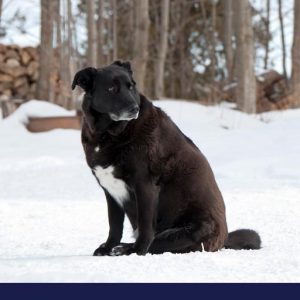
Overweight black dog sitting in the snow

Why Dogs Become Obese And What You Can Do About It

When dogs are classified as excessively overweight, or obese, it means they have much more body fat than a normal, healthy dog. Dogs that eat too much (or are overweight for other reasons) struggle to exercise, which only makes the problem […]

Importance Of Nutrition In Chronic Kidney Disease In Cats

The kidneys have many functions. Two of the major functions include removing waste products from the blood and conserving water in the body. With kidney disease the kidney function declines and toxic waste products like urea and phosphorous begin to build up in the body. […]

Nutrition For Cats With CKD

With treatment and careful management, cats with Chronic Kidney Disease (CKD) can have a good quality of life. […]

Dietary Management In Cats With CKD

Several studies have shown that dietary management plays a key role in cats with chronic kidney disease (CKD) which is a common and unfortunately incurable condition. CKD is actually more than just a common progressive condition, it is a leading cause of death in cats, often due to the complications it causes. […]

Ensuring proper nutrition for your dog is crucial for their overall health and well-being. Here are some tips to help
As they get older the dietary needs of adult, mature, and senior cats change. As such, it is critical to
As a pet owner, you want to make sure your furry friend gets the best nutrition for their health and
Because we want our companion pooches to be in the best possible condition, we make sure to give them plenty
“Crude ash content 5%, moisture content 12%, fibre content 3%, steak flavoured meal”; Such statistics and this type of wording
Overweight cat lying on hospital floor
Overweight and obese cats have shorter lives compared to cats that maintain their ideal body weight. Additional weight also comes
Dogs have different dietary and nutritional requirements at different life stages. Senior dogs often have very specific needs that have
Owner taking measurement of dog
The most obvious place to start is reducing your dog's calorie intake to less than he can burn daily. However,
A guide to human foods that you should avoid feeding Fluffy […]
A guide to human foods that you should avoid feeding Fido […]

Kibble, in a nutshell, is ground up ingredients shaped into pellets. […]
Although it is more common for dogs to lose weight, some dogs need to gain weight to achieve a healthy
The number of overweight cats is increasing and this is leading to an increase in illnesses. Life expectancy decreases as
Overweight black dog sitting in the snow
When dogs are classified as excessively overweight, or obese, it means they have much more body fat than a normal,
The kidneys have many functions. Two of the major functions include removing waste products from the blood and conserving water
With treatment and careful management, cats with Chronic Kidney Disease (CKD) can have a good quality of life. […]
Several studies have shown that dietary management plays a key role in cats with chronic kidney disease (CKD) which is

NUTRITION & DIET

Petlife heart logo

VOTING BOOTH

Would you visit the veterinarian more frequently if:

View Results

Loading ... Loading ...

LIONS FOUNDATION OF CANADA DOG GUIDES

Lions Foundation of Canada Dog Guides and its founding program, Canine Vision Canada, was established in 1983. It’s the largest school of its kind in Canada with its training school in Oakville and breeding facility in Breslau.

LEARN MORE >>

TIPS FOR DOG NUTRITION

Ensuring proper nutrition for your dog is crucial for their overall health and well-being. Here are some tips to help you provide the best nutrition for your furry friend:

  1. Balanced Diet
  • Complete and Balanced:
    Look for commercial dog foods labelled “complete and balanced” by PFAC (Pet Food Association of Canada). This ensures the food meets nutritional standards.
  • Variety:
    Incorporate a variety of proteins (chicken, beef, fish), vegetables, and grains in your dog’s diet to provide a range of nutrients.
  1. High-Quality Ingredients
  • Whole Foods: Choose foods with whole, natural ingredients rather than those with fillers, by-products, and artificial additives.
  • Protein Sources: Ensure that the primary ingredient is a high-quality protein source like chicken, beef, or fish.
  1. Portion Control
  • Follow Guidelines:
    Feed your dog according to the guidelines on the food packaging, adjusting for their age, weight, and activity level.
  • Avoid Overfeeding:
    Overfeeding can lead to obesity and related health issues. Measure out food portions and avoid free-feeding.
  1. Fresh Water
  • Constant Supply:
    Ensure your dog always has access to fresh, clean water.
  • Hydration:
    Monitor your dog’s water intake, especially during hot weather or after exercise.
  1. Avoid Harmful Foods
  • Toxic Foods:
    Avoid feeding your dog chocolate, grapes, raisins, onions, garlic, xylitol (found in some peanut butters and sweets), alcohol, and caffeine.
  • Human Food:
    Be cautious with table scraps and human food, as many can harm dogs.
  1. Treats and Snacks
  • Healthy Treats:
    Choose healthy, low-calorie treats. Treats should not exceed 10% of your dog’s daily caloric intake.
  • Natural Options:
    Consider natural treats like carrots, apple slices (without seeds), and green beans.
  1. Special Dietary Needs
  • Life Stages:
    Adjust your dog’s diet based on their life stage (puppy, adult, senior) to meet their specific nutritional needs.
  • Health Conditions:
    If your dog has specific health issues (allergies, kidney disease, diabetes), consult your vet for a specialised diet.
  1. Regular Vet Visits
  • Check-Ups:
    Schedule regular vet check-ups to monitor your dog’s health and get professional dietary advice.
  • Weight Management:
    Discuss your dog’s weight and diet with your vet to ensure they maintain a healthy weight.
  1. Homemade Meals
  • Balanced Recipes:
    If you prefer cooking for your dog, use balanced recipes that provide all the necessary nutrients.
  • Vet Consultation:
    Consult with a veterinarian or a pet nutritionist to ensure homemade meals meet your dog’s nutritional needs.
  1. Gradual Changes
  • Slow Transition:
    When switching foods, do so gradually over a week to avoid digestive upset. Mix increasing amounts of the new food with the old food each day.
  1. Supplements
  • Vet Approval:
    Only use supplements as recommended by your vet, since unnecessary supplementation can cause health issues.
  • Common Supplements:
    Omega-3 fatty acids for skin and coat health, glucosamine for joint health, and probiotics for digestive health are commonly recommended.
  1. Monitor Your Dog’s Condition
  • Coat and Skin:
    A healthy, shiny coat and clear skin usually indicate good nutrition.
  • Energy Levels:
    Consistent energy levels and overall vitality are good indicators of proper nutrition.
  • Stool Quality:
    Regular, firm stools indicate a balanced diet and good digestive health.

By following these tips, you can help ensure your dog maintains a healthy and balanced diet, leading to a long, happy, and active life.Top of Form

how can dog guides help iconAsk your veterinarian for advise on the best diet to meet the needs of your dog. Your veterinarian can recommend food with a specific nutrient profile to help support one or more of your dog’s age-related conditions. Find a veterinarian near you.

Related Articles

Can Dogs Eat That? Read Now

Dog Food Thoughts: How Much Do You Know About Kibble? Read Now

What To Look For On Pet Food Labels Read Now

side_slide2
previous arrow
next arrow

HEALTH & WELLNESS

Petlife heart logo

VOTING BOOTH

Would you visit the veterinarian more frequently if:

View Results

Loading ... Loading ...

LIONS FOUNDATION OF CANADA DOG GUIDES

Lions Foundation of Canada Dog Guides and its founding program, Canine Vision Canada, was established in 1983. It’s the largest school of its kind in Canada with its training school in Oakville and breeding facility in Breslau.

LEARN MORE >>

What Should Senior Cats Eat?

As they get older the dietary needs of adult, mature, and senior cats change. As such, it is critical to obtain information on the optimal daily feeding quantities required to keep them healthy.

Background

A 7–10-year-old mature adult cat’s daily energy requirement (DER) could be equivalent to its resting energy requirement (RER), although adjustments should be made based on each individual’s needs. For senior cats of 10 + years old, the RER must be increased by 10–20%, and sometimes by up to 25%. Older cats’ digestive capabilities are likely to be reduced, leading to their body condition score (BCS) decreasing and thereby increasing their required caloric intake.

Health issues

Senior cats often suffer from weight loss and this tendency should be managed through prescription or therapeutic diets. For numerous reasons e.g., obesity, chronic kidney disease, osteoarthritis, chronic enteropathies, hyperthyroidism, etc., special diets may more often be recommended for cats in the later stages of life. If a new diet is indicated, presenting the unfamiliar food in a different container next to the old one (this is preferable to taking away the food they are used to and exchanging it with the new) will allow your cat to move to the healthier meal without anxiety. To avoid stress-related negative food associations such major changes should take place at home rather than at the vet or dietitian’s practice.

Recommendations

The experts don’t always agree on what constitutes the ideal protein levels in a mature adult cat’s diet. One published study concluded that as cats age they should actually enjoy higher amounts of dietary protein to maintain lean muscle mass. This means that healthy adult, mature, and senior cats should not have their dietary protein restricted. A diet with a moderate protein content of 30–45% dry matter is recommended. This does not apply if your cat has chronic kidney disease in which case, your tabby may be better off with a prescription diet, which has lower phosphorous levels and less but higher quality protein.

Supplementary nutrition

The diet of cats with health problems should also contain supplemental ingredients to promote healthy bodily functions and metabolism. The effect of antioxidants e.g., in limiting the progress of renal disease, is still being widely researched. One study program demonstrated that protein supplemented with fish oil, amino acids, L-carnitine, and antioxidants in their diets could benefit senior cats in the early stages of renal failure. Studies to formulate firm guidelines on this approach are ongoing.

Hydration

Of equal, or even greater importance, is ensuring that your cat is properly hydrated at all times. Surprisingly, cats are sometimes picky regarding their drinking preferences. Such quirks should be noted by you, the owner, or the health practitioner providing advice or therapy.

Factors to consider include the water’s taste, freshness, and movement e.g., being supplied by a mini waterfall, fountain, drip pipe, or having air bubbles from an aerator in the water container. These features attract a cat’s attention which encourages them to drink. Oddly, even the shape of their bowl can have an effect. Notably, some cats dislike anything e.g., the sides of the container, touching their whiskers (vibrissae). For them, a larger open-profile water bowl is desirable. Diets with a higher water content, e.g., canned foods, could also help boost hydration. Just as with feeding, changes in their drinking environment should be managed to allow your cat to choose what suits it best. Regular cleaning of the food and water bowls is, of course, essential.

By applying this information and sound veterinary advice our, aging moggies will remain healthful and long enjoy their golden years.

how can dog guides help iconAsk your veterinarian for advice on the best diet to meet the needs of your cat. Your veterinarian can recommend food with a specific nutrient profile to help support one or more of your cat’s age-related conditions. Find a veterinarian near you.

Related Articles

Why Cats Become Obese And What You Can Do About It Read Now

Can Cats Eat That? Read Now

PLCA1584-02-Side-Banners-DYK-1

LIFESTYLE & MORE

Petlife heart logo

VOTING BOOTH

Would you visit the veterinarian more frequently if:

View Results

Loading ... Loading ...

LIONS FOUNDATION OF CANADA DOG GUIDES

Lions Foundation of Canada Dog Guides and its founding program, Canine Vision Canada, was established in 1983. It’s the largest school of its kind in Canada with its training school in Oakville and breeding facility in Breslau.

LEARN MORE >>

Healthy Pets, Happy Life: Pet Nutrition for a Lifetime of Wellness

As a pet owner, you want to make sure your furry friend gets the best nutrition for their health and happiness.

The World Small Animal Veterinary Association (WSAVA) created the Global Nutrition Guidelines to help you make smart choices about your pet’s diet. Pairing these guidelines with your veterinarian’s advice is a winning combo for pet nutrition.

Why this matters!

Good nutrition is key to keeping your pet healthy. Balanced diets prevent diseases, improve digestion, and boost energy, while poor diets can cause issues like obesity, skin problems, and digestive disorders. Understanding your pet’s nutritional needs helps you make better dietary decisions.

WSAVA Global Nutrition Guidelines

The WSAVA Global Nutrition Guidelines are a handy framework for figuring out what dogs and cats need nutritionally. They highlight the importance of feeding a balanced and complete diet, rather than relying on supplements or fad foods. The guidelines also emphasize consulting with a veterinarian to find the best diet for your pet, as they can give personalized advice based on age, health, and lifestyle.

Veterinary Advice: The Key to Unlocking Optimal Nutrition

While the WSAVA guidelines are a great starting point, receiving advice from your veterinarian is crucial for getting your pet’s nutrition on point as they are trained in nutrition and have a full medical history of your pet.

This will ensure that your pet receives the best diet and overall nutritional recommendation based on their specific needs.

They can help you:

  • Determine the best diet for your pet based on their age, health, and lifestyle
  • Identify potential food allergies or sensitivities
  • Develop a feeding plan that meets your pet’s nutritional needs
  • Monitor your pet’s health and adjust their diet as needed

Putting it all Together

Good nutrition is key to keeping your pet healthy and happy. By following the WSAVA Global Nutrition Guidelines and consulting with your veterinarian, you can make sure your pet gets the nutrients they need to thrive. Remember, nutrition isn’t one-size-fits-all, and what works for one pet might not work for another. By working with your veterinarian, you can create a personalized nutrition plan that fits your pet’s unique needs.

Last word

Although there are many other steps you could take, by following a healthy pet nutrition plan, you’ll be promoting longevity and avoiding long-term wellness risks. Remember, our four-pawed friends rely on us, so lets all take proactive steps to ensure their health and vitality.

how can dog guides help iconAsk your veterinarian for advise on the best diet to meet the needs of your pet. Your veterinarian can recommend food with a specific nutrient profile to help support one or more of your pet’s age-related conditions. Find a veterinarian near you.

Related Article

Can Dogs Eat That? Read Now

Can Cats Eat That? Read Now

side_slide2
previous arrow
next arrow

LIFESTYLE & MORE

Petlife heart logo

VOTING BOOTH

Would you visit the veterinarian more frequently if:

View Results

Loading ... Loading ...

LIONS FOUNDATION OF CANADA DOG GUIDES

Lions Foundation of Canada Dog Guides and its founding program, Canine Vision Canada, was established in 1983. It’s the largest school of its kind in Canada with its training school in Oakville and breeding facility in Breslau.

LEARN MORE >>

Doggy Digestive Health

Because we want our companion pooches to be in the best possible condition, we make sure to give them plenty of exercise, the best nutrition available, and keep them off sweets and other unhealthy treats.

These are all essential to every dog’s well-being but most of us don’t know whether all the expensive dog food and nutritious snacks are being optimally digested. That’s because very few of us know how much the canine digestive system differs from that of humans.

How these systems are constructed and function gives us several clues but the chemistries that process foodstuffs are invisible and extremely unalike. The mouth parts, including the teeth, jaws, and their controlling musculatures allow food to be ripped and chewed. Dogs have forty-two pearly whites on average compared to our thirty-two and while the teeth have similar basic functions, there are obvious differences in shape and strength. Remember also that our hands allow the plate-to-mouth food interactions to be managed much more precisely than a dog can. They make up for this with powerful jaws and a rough but flexible tongue that allows it to bolt its food instead of chewing it fine.

While the physical process of mashing food into a mass that can be swallowed takes place in both the canine and human mouths, in humans the chemical digestive process begins with the amylase enzyme converting carbohydrates into sugars that can be easily absorbed and metabolized. Since dogs have no amylase in their saliva, the chemical conversion of carbs to sugars happens much later during digestion. Dogs gulp their food for it to reach the stomach rapidly where the gastric acid (+/- 10 times more potent than in humans) and protease enzymes (chymotrypsin, trypsin, and pepsinogen) begin digesting proteins into absorbable amino acids. The consumed food stays in the dog’s stomach for up to eight hours compared to the 30 minutes it remains in the human stomach.

Only once it passes to the much shorter small intestine does the dog’s system begin breaking down the carb and fat content of the food. This is a critically important stage and diverges dramatically from the human process. Remember that canines cannot produce the enzyme amylase in their saliva, but a small amount is produced from the pancreas. This means they can digest foods with minimal starchy content like grasses, seeds, and plant materials most of which they would have consumed when eating their natural wild prey’s gut contents. Because amylase is lacking, processed foods heavy with carbohydrates over-taxes the digestive system and could lead to complicated health problems like obesity, diabetes, and even cancer. That’s why it’s sensible to feed them a species-appropriate diet with the nutritional content they naturally evolved to eat. Of course, this would seem to place an extra burden on already stressed-out doggy parents. The good news is that not all carbs are equally bad for our canine companions. Refined starches like white flour and sugars, and even honey should not make it onto your pet’s menu, even as treats. But the complex carbs found in unprocessed whole foods such as raw or lightly cooked veggies and millet supply slow-release energy, aid digestion, maintain the nervous system, boost immunity, and regulate the metabolism. These are cheap and easily provided supplements to the quality kibble they normally get but should not exceed about a quarter of their daily food intake. Feeding your dog raw foods can be a healthy, nutrient-rich diet but because these can be easily contaminated freshness is the keyword.

We have discussed the digestive system and the basic requirements of a healthy eating scheme for your dog, but to complete the picture we must mention the role of probiotics. These are healthy microbes that live in the gut and help convert the carbohydrate and fibre-based sugars into the vitamins and fatty acids that naturally boost your pet’s biochemistry. By improving the immune system, they help stave off infections throughout the body. A great and cheap source of probiotics is unsweetened natural yogurt used as a light topping on a normal helping of quality kibble.

A happy dog in good health is all the reward we as loving pet owners need in return for the care lavished on our most loyal and deserving animal companions.

how can dog guides help iconAsk your veterinarian for advise on the best diet to meet the needs of your dog. Your veterinarian can recommend food with a specific nutrient profile to help support one or more of your dog’s age-related conditions. Find a veterinarian near you.

Related Articles

Can Dogs Eat That? Read Now

Dog Food Thoughts: How Much Do You Know About Kibble? Read Now

What To Look For On Pet Food Labels Read Now

side_slide2
previous arrow
next arrow

LIFESTYLE & MORE

Petlife heart logo

VOTING BOOTH

Would you visit the veterinarian more frequently if:

View Results

Loading ... Loading ...

LIONS FOUNDATION OF CANADA DOG GUIDES

Lions Foundation of Canada Dog Guides and its founding program, Canine Vision Canada, was established in 1983. It’s the largest school of its kind in Canada with its training school in Oakville and breeding facility in Breslau.

LEARN MORE >>

What To Look For On Pet Food Labels

“Crude ash content 5%, moisture content 12%, fibre content 3%, steak flavoured meal”; Such statistics and this type of wording are all found on pet food packaging but a straw poll among pet owners will quickly reveal that few know what these values and claims mean.

Pet food labels contain essential information but sometimes it is difficult to understand all the details. Everyone knows that balanced diets include proteins, fats, carbohydrates, vitamins, and minerals but we still commonly buy pet foods without considering the contents, mostly because it is convenient, well-packaged, and attractively advertised.

As caring pet parents, we should know whether and how our pet’s nutritional needs are being met. Below is a breakdown of the key information to glean from pet food labels.

UNDERSTANDING PET FOOD LABELS

  • Front-of-bag statements by reputable brands are usually very accurate but it’s important to understand what these claims mean because certain label-wording is regulated:

    • A label that highlights the contents as, e.g., “chicken dog food” or “beef dog food” must contain a minimum of 65% of the named ingredient.
    • When in combination with words such as “formula”, “dinner”, or “entrée” at least 26% of the mass should be the named ingredient.
    • Advertising that the product is “dog food rich in chicken” means that at least 14% of the content should be chicken.
    • Using the word “with” in the description e.g., “dog food with lamb” could mean a main ingredient content as low as 4%.

  • The guaranteed analysis that specifies the nutrient quantities in the product is not a legal requirement, but must be accurate if present. Remember that labels stating “max”, or “min” reflect ranges, not actual values.

  • The required daily allowance (RDA) on human food packaging tells us what percentages of the recommended intake of vitamins etc., the contents provide. This is not found on pet food labels because of the extreme size differences, particularly among dog breeds. The serving guides somewhat fulfil that purpose.

  • All ingredients should be listed by weight, from the highest to the lowest content. Protein in grams/kg is usually followed by moisture, fat, fibre, carbohydrates, and crude ash. The latter sounds odd but is a measure of the trace minerals essential for pet health. This is not an additive but the remnants when all the other contents such as protein, fibre, etc., are incinerated. Normally, crude ash should not exceed 8% or be less than 2%.

  • The energy content is expressed as “kilocalories per kilogram”. This lets owners calculate the optimal calorie count per serving for their pet’s energy needs.

  • All additives such as colourants, flavourings, and preservatives should also be listed. This is especially important for managing allergies.

The manufacturer’s information, such as a consumer support number and the company address, should always be included.

how can dog guides help iconAsk your veterinarian for advise on the best diet to meet the needs of your dog. Your veterinarian can recommend food with a specific nutrient profile to help support one or more of your dog’s age-related conditions. Find a veterinarian near you.

In Canada, pet food labelling is regulated by the Canadian Food Inspection Agency (CFIA).

Related Article

Can Dogs Eat That? Read Now

Dog Food Thoughts: How Much Do You Know About Kibble? Read Now

side_slide2
previous arrow
next arrow

HEALTH & WELLNESS

Petlife heart logo

VOTING BOOTH

Would you visit the veterinarian more frequently if:

View Results

Loading ... Loading ...

LIONS FOUNDATION OF CANADA DOG GUIDES

Lions Foundation of Canada Dog Guides and its founding program, Canine Vision Canada, was established in 1983. It’s the largest school of its kind in Canada with its training school in Oakville and breeding facility in Breslau.

LEARN MORE >>

What to Do When Your Cat is Overweight

Overweight cat lying on hospital floor

Overweight and obese cats have shorter lives compared to cats that maintain their ideal body weight. Additional weight also comes with health risks.

Possible diseases and conditions that overweight and obese cats tend to suffer from include:

THE RIB RUB

HOW CAN YOU TELL IF YOUR CAT IS OVERWEIGHT?

Looking at her won’t really help and perspectives of what’s overweight and what’s not differ vastly. Although, a lacking waistline is often worrisome.

So, to make it simple, feel the sides of her body by running your hand across her fur. Can you feel the ribs? Good, your cat is probably fine.

Struggling to feel the definition?
Then it’s probably time to start a program to help your cat lose weight.

HOW TO HELP YOUR OVERWEIGHT CAT?

It’s not as simple as changing food or playing more, there are many factors to address.

1. BOOK A VISIT TO THE VET

Sometimes it’s not lack of exercise or overfeeding that leads to weight gain. It’s a scary thought, but it could be a medical condition that’s getting in the way. The safest and smartest place to start looking for answers is your local veterinarian. A vet will also be able to direct you in terms of diet, whether your cat is suffering from a condition or not. If your cat has an illness, treatment (if available) can be started immediately.

Tips:

  • Don’t drastically reduce calorie intake (liver risks).
  • Make sure the results you’re chasing are not extreme. Set a reasonable timeline.
  • Like overweight dogs, your cat can and should only lose about 1% to 2% of her body weight each week. Quick fixes will only backfire. 


2. CAT FEEDING CRIMINALS

A – It’s in your cat’s best interest; her life is actually at risk. (Also get everyone onboard for the other factors we’ll mention below).

B – To avoid a situation where you see no results (or weight gain continues), make sure everybody is on the same page.

C – Family members, friends or even neighbours could be sabotaging your program.

D – Write and print flyers so that everyone is aware.


3. THE DEVIL’S IN THE DIET

As you may have guessed, the calories normally consumed have to be reduced.

Initial diet changes, as well as changes along the way, should all be monitored.

A cat’s ideal average size and activity level should also be kept in mind. The key here is to make changes slowly.

How to reduce calories:

  • Less Food: If you’re going to stick to the same product, you’ll have to feed your cat less. As an example; instead of a full measuring cup, use 85% to 65%. Remember to monitor progress. It may be worth looking into a timed feeder for those times you’re away.
  • Diet Food: It’s very important to source a quality, vet approved product that’s high in protein and low in carbohydrate as well as fat content. Food with fillers is only a temporary solution that will leave your cat hungry not long after a meal. With the right diet food, you should be able to feed the same portion size. You can even split the daily amount into more portions. If you don’t see results, slowly reduce the daily limit.
Quick Tip: Don’t tempt your cat with food from other pets. Feed them separately / at different times / in different areas, etc. Keep an eye on them and take food away that’s left in the bowls.

4. NO RANDOM SCRAPS AND WAY LESS TREATS

Anything that’s high in fat and sugar, that’s bad for you, will be really bad for your overweight cat as well. For some owners begging can be avoided by feeding before eating or even before you start cooking. If you must give the occasional treat; keep it green, light or generic.

Here is a few examples for treating your cat:

5. MOVE IT, MOVE IT

WHEN YOUR CAT CONSUMES LESS CALORIES THEY BURN SOME AS WELL AND THAT’S WHEN THE MAGIC HAPPENS!

Getting your cat to exercise is not simple but it needs to happen. The occasional cat can do the leash thing, but don’t get your hopes up. For indoor cats, supervised time outdoors is a great first step. Some folks see more movement when there’s a larger mirror around or a screen showing cat videos. New toys sprinkled with catnip often get a reaction. Safe playtime (without claws and teeth) counts as attention and exercise, so make a little time for it.

6. VERY WELL, VITAMINS IT IS!

SO NOW THAT YOU HAVE STARTED REDUCING YOUR CAT’S INTAKE

AND IT MIGHT ALREADY BE WORKING, but there’s something you could be forgetting… less food equals less minerals and vitamins. You don’t want to end up with a hungry and malnourished cat. Ask your vet about reputable supplements (e.g. Fatty acids) to keep things balanced. Any deficiencies could lead to bigger problems. The weight loss battle is big enough, so spare yourself the health war.

7. MEDICATION FOR CAT WEIGHT LOSS

PLEASE NOTE: This is unclear as there are studies in this area that are still underway.

8. WATCH THE NUMBERS

THIS MEANS THAT YOU SHOULD MEASURE, DOCUMENT AND THEN REPEAT. YOU CAN DO THE ‘BEFORE’ PICTURE IF YOU WANT (TO COMPARE IT WITH THE ‘AFTER’ PICTURE LATER).

Create a template with dates and times (you can even try searching for a useful app). Everything consumed should be logged (even snacks); weight should be checked and logged (weekly); also keep track of exercise (intensity and duration) and when you are weighing your cat, use the same device and time of day. Just like a human being, a cat’s weight can stagnate so don’t be too alarmed.

Be sure to see your vet every 2 to 4 weeks, if possible, for informed adjustments to your program.

9. KEEP UP THE MAINTENANCE

Continue all your good habits by checking those numbers every two weeks to make sure all your hard work doesn’t go to waste. At this stage, food can be increased bit by bit. If you start noticing weight gain, go back to the weight loss program.

10. GIVE YOURSELF A HIGH FIVE

NOW YOU CAN ENJOY EACH OTHER’S COMPANY FOR LONGER AND LIVE HAPPIER, HEALTHIER LIVES, TOGETHER!

how can dog guides help iconAsk your veterinarian for advise on the best diet to meet the needs of your cat. Your veterinarian can recommend food with a specific nutrient profile to help support one or more of your cat’s age-related conditions. Find a veterinarian near you.

Related Articles

Why Cats Become Obese And What You Can Do About It Read Now

Can Cats Eat That? Read Now

PLCA1584-02-Side-Banners-DYK-1

HEALTH & WELLNESS

Petlife heart logo

VOTING BOOTH

Would you visit the veterinarian more frequently if:

View Results

Loading ... Loading ...

LIONS FOUNDATION OF CANADA DOG GUIDES

Lions Foundation of Canada Dog Guides and its founding program, Canine Vision Canada, was established in 1983. It’s the largest school of its kind in Canada with its training school in Oakville and breeding facility in Breslau.

LEARN MORE >>

Why You Should Adjust a Senior Dog’s Diet

Dogs have different dietary and nutritional requirements at different life stages.

Senior dogs often have very specific needs that have to be met to promote quality of life and even life expectancy.

Sometimes it’s challenging to feed them, but often small changes can improve wellness and well-being.

HOW OLD IS A SENIOR DOG?

In general, dogs between six and ten years of age are considered ‘senior’.

Basically when they’ve reached half of their breeds’ life expectancy.

ASK YOUR VETERINARIAN WHEN IT’S TIME TO SWITCH TO SENIOR FOOD

ONE SIZE DOES NOT FIT ALL

If you have more than one dog and they’re in different life stages, don’t feed them the same food. There may be multi-stage options, but each dog deserves the right food for its age.

IMPORTANT : ALL SENIOR DOGS WON’T BENEFIT FROM THE SAME FOOD EITHER

FACTORS TO CONSIDER FOR THE DIETARY AND NUTRITIONAL NEEDS OF SENIOR DOGS

ACTIVITY LEVELS

When dogs get older and less active, they generally need to consume fewer calories to reduce the risk of becoming obese. Obese dogs often suffer from joint problems such as osteoarthritis.

APPETITE

Some dogs will naturally eat less as they get older, but they still need food designed for their age. If they lose interest in dry food, you can make it more appealing by adding warm water or a small amount of wet food. Some dog owners also give home-cooked meals that are appropriate for dogs.

Loss of appetite could be a sign of disease so contact your veterinarian if your dog is not eating.

WATER INTAKE

With age comes certain conditions and diseases that can increase thirst or lead to dehydration. Examples include kidney problems, liver disease, diabetes, cancer and Cushing’s disease. If you’ve noticed an increase in your dog’s water consumption, discuss it with your veterinarian. Some medications can also increase thirst.

CONDITIONS AND DISEASES

When it comes to certain conditions, age is a big factor. Then again, some breeds are just more prone to illness than others. Whatever the case or cause, older dogs with health problems often need customized diets and even medication. Here are a few examples of diseases and dietary adjustments that may be recommended.

IN SOME CASES, A NEWLY DIAGNOSED DISEASE WILL REQUIRE IMMEDIATE INTERVENTION TO IMPROVE OUTCOME.

*Dogs that suffer from osteoarthritis are usually in pain, so they’re not always interested in playing or exercising which can lead to weight gain.

SUPPLEMENTS
Don’t give your dog any supplements (or medication) before consulting your veterinarian.

WHAT ABOUT TREATS AND SNACKS?

Experts recommend healthy, low-sodium, low-fat snacks for senior dogs. You can try offering your dog carrots and apples, but never feed any dog grapes or raisins.

PLEASE NOTE: Snacks should form part of your dog’s daily calorie allowance.

IS YOUR DOG’S DIET AGE-APPROPRIATE?

If you have a senior dog, especially one with a health condition, talk to your veterinarian about a diet that’s breed, size and age-appropriate.

When you think senior dog food, think about the following:

  • Quality
  • Enough Fibre
  • Highly digestible
  • Nutritious
  • Well-balanced
  • Lower in calories
  • Less, but quality protein and adequate fats

REMEMBER: DON’T SKIP ROUTINE CHECK-UPS.

Your veterinarian can help you keep up with your senior dog’s dietary and nutritional requirements.

Find a veterinarian near you.

Related Articles

What To Do When Your Dog is Overweight Read Now

Why Dogs Become Obese And What You Can Do About It Read Now

Can Dogs Eat That? Read Now

What To Do When Your Cat Is Overweight Read Now

Why Cats Become Obese And What You Can Do About It Read Now

PLCA1584-02-Side-Banners-DYK-9

HEALTH & WELLNESS

Petlife heart logo

VOTING BOOTH

Would you visit the veterinarian more frequently if:

View Results

Loading ... Loading ...

LIONS FOUNDATION OF CANADA DOG GUIDES

Lions Foundation of Canada Dog Guides and its founding program, Canine Vision Canada, was established in 1983. It’s the largest school of its kind in Canada with its training school in Oakville and breeding facility in Breslau.

LEARN MORE >>

What to Do When Your Dog is Overweight

Owner taking measurement of dog

The most obvious place to start is reducing your dog’s calorie intake to less than he can burn daily. However, it’s easier said than done.

It Keeps Getting Worse

The number of overweight and obese dogs keeps rising and many people don’t realize that it can lead to life-threatening diseases such as arthritis and heart disease.

Extend Your Dog’s Life

Some studies show that dogs which maintain their ideal body weight live longer and that they are also less prone to diseases.

Denial is a Big Problem

Many owners of overweight dogs are totally in denial when it comes to their dog’s weight. A veterinarian can easily see the difference, but their advice often falls on deaf ears. The argument that ‘they’re not overfed’ is also not valid if they don’t exercise. If they don’t burn off energy, it turns into excess body weight.

What Can Be Done?

The simple recipe is this: Eat less and exercise more. If your dog doesn’t suffer from a disease that causes weight gain, the solution is simple. For this advice to work you both need to make lifestyle changes. Exercising together benefits everyone, so think about the positives and make time in your schedule to help your dog achieve a healthy weight.

Steps to Reach Your Goal

Step 1: Make sure there isn’t another reason your dog is gaining weight, for example, Diabetes, Cushing’s Disease or Hypothyroidism. No? Then see Step 2.
Step 2: Help your dog reach his ideal weight.
Step 3: Make sure your dog keeps the weight off.

Calculating Calories

You can use an online calculator to work out how much calories your dog should consume to start losing weight safely. Check the numbers with your veterinarian or an animal nutritionist. Details such as the dog’s age and exercise routine will play a role as well.

Why You Shouldn’t Rely on Dog Food Labels

These numbers are not designed for weight loss. Speak to your veterinarian about a custom weight loss plan that you can understand and stick to.

Don’t Do this

Free choice feeding (always having food around) is not an option if your dog is overweight.

Do this

Take the daily intake recommended for weight loss and divide it into two or four portions and feed accordingly. Many owners’ schedules won’t allow this option, so they should consider a specifically timed automatic feeder or ask a neighbour/arrange a pet sitter to pop in for feedings.

Guessing is Dangerous so Measure Away

Use the right dog food measuring cups obtained from your veterinary or reputable pet stores. Weighing food is another option.

Not All Weight Loss Food Can Help Your Cause

Words such as “lite” or “diet” should NOT encourage you to blindly invest in a product. Low calorie foods might use unhealthy fillers (for example carbohydrates) that only make your dog feel full for a little while. You don’t want your dog to be hungry all the time or beg for food every chance he gets.

Less of the Regular Could Equal Sad Eyes

Simply reducing their regular food (the stuff you’ve always been giving) doesn’t always work. The calories might be less, but your dog is bound to throw a set of sad eyes your way after every meal (or worse, while you are eating).

Which Weight Loss Products Can Be Trusted?

As you can imagine, quality is important. A high protein content (above average) is essential while the fat count should be below average. The calorie count should also be below average.

The following numbers are recommended by a dog food advisor:


INGREDIENTDRY FOOD / KIBBLEWET FOOD / CANNED
Average Protein29%40%
Average Fat16%23%
Calories50 – 350 per 250 g cup25 – 350 per 365 g can

More protein = increased satisfaction and less muscle loss = less sad doggy eyes = and less guilt for you. Lower calories = more food, while also shaking off grams and eventually kilos.

Some people combine kibble and canned food to make it more appealing. Just make sure you get the calorie combination right. Canned food on its own isn’t a bad option either as it often has more protein, less carbs, as well as fewer calories when compared to the same recommended portion of kibble.

You can also speak to your veterinarian about combining quality dog food with home-cooked food, but this may be time-consuming.

Exercise: Another Huge ‘Must-do’

If you don’t exercise regularly, chances are your dog doesn’t get a workout either. There are so, so many benefits for humans and many of these will apply to your dog as well. If you don’t enjoy walking, running or hiking, consider playing fetch, swimming or playing with a bat and ball in the backyard. A minimum of 30 minutes a day will really make a difference.

Check those Numbers

You won’t know how you’re doing if you’re not comparing data. Weighing weekly is important and be sure to compare the numbers with healthy weight loss (1% to 2% per week of their weight). Not happy with the results? Try to gradually reduce the calorie intake even more.

Important

Be vigilant. There might be someone in the household sneaking any form of extra food.

Have You Reached Your Goal?

Great! You may be able to offer a slight increase in food. Just don’t overdo it and don’t stop checking those numbers. Any changes should be addressed with the proper adjustments.

how can dog guides help iconAsk your veterinarian for advise on the best diet to meet the needs of your dog. Your veterinarian can recommend food with a specific nutrient profile to help support one or more of your dog’s age-related conditions. Find a veterinarian near you.

Related Articles

Why Dogs Become Obese And What You Can Do About It Read Now

Why You should Adjust A Senior Dog’s Diet Read Now

Can Dogs Eat That? Read Now

What To Do When Your Cat Is Overweight Read Now

Why Cats Become Obese And What You Can Do About It Read Now

PLCA1584-02-Side-Banners-DYK-4

HEALTH & WELLNESS

Petlife heart logo

VOTING BOOTH

Would you visit the veterinarian more frequently if:

View Results

Loading ... Loading ...

LIONS FOUNDATION OF CANADA DOG GUIDES

Lions Foundation of Canada Dog Guides and its founding program, Canine Vision Canada, was established in 1983. It’s the largest school of its kind in Canada with its training school in Oakville and breeding facility in Breslau.

LEARN MORE >>

Can Cats Eat That?

A guide to human foods that you should avoid feeding Fluffy.

GOOD TO EAT

COOKED EGGS
STEAMED BROCCOLI
CHICKEN
SPINACH
TUNA
MELON
BEEF
BANANAS
PEAS

NOT GOOD

CAFFEINE
MILK
ONIONS
GARLIC
SALT
BONES
FAT
UNCOOKED DOUGH
CHOCOLATE
ALCOHOL

how can dog guides help iconAsk your veterinarian for advise on the best diet to meet the needs of your cat. Your veterinarian can recommend food with a specific nutrient profile to help support one or more of your cat’s age-related conditions. Find a veterinarian near you.

Related Articles

Can Dogs Eat That? Read Now

Why Cats Become Obese And What You Can Do About It Read Now

Why Dogs Become Obese And What You Can Do About It Read Now

What To Do When Your Cat Is Overweight Read Now

Poison Dangers For Cats Read Now

side_slide2
previous arrow
next arrow

HEALTH & WELLNESS

Petlife heart logo

VOTING BOOTH

Would you visit the veterinarian more frequently if:

View Results

Loading ... Loading ...

LIONS FOUNDATION OF CANADA DOG GUIDES

Lions Foundation of Canada Dog Guides and its founding program, Canine Vision Canada, was established in 1983. It’s the largest school of its kind in Canada with its training school in Oakville and breeding facility in Breslau.

LEARN MORE >>

Can Dogs Eat That?

A guide to human foods that you should avoid feeding Fido.

EXCELLENT TO EAT

RICE
LETTUCE
CANTALOUPE
MEAT
BANANAS
PEANUT BUTTER
PUMPKIN
FISH
SPINACH
CARROTS
PEARS

GOOD TO EAT

HOT DOGS
PINEAPPLE
BROCCOLI
TOMATOES
POTATOES
STRAWBERRIES
WATERMELON
APPLES
MUSHROOMS
CHEESE
BREAD

OKAY TO EAT

POPCORN
CHERRIES
SHRIMP
PEPPERS
ALMONDS
CORN
CELERY
MARSHMALLOWS


NOT GOOD

WALNUTS
ONIONS
AVOCADO
GRAPES
ALCOHOL
POMEGRANATE
CHOCOLATE
NUTS
GARLIC
GUM

how can dog guides help iconAsk your veterinarian for advise on the best diet to meet the needs of your dog. Your veterinarian can recommend food with a specific nutrient profile to help support one or more of your dog’s age-related conditions. Find a veterinarian near you.

Related Articles

What To Do When Your Dog is Overweight Read Now

Why You should Adjust A Senior Dog’s Diet Read Now

Why Dogs Become Obese And What You Can Do About It Read Now

Can Cats Eat That? Read Now

Poison Dangers For Dogs Read Now

side_slide2
previous arrow
next arrow

LIFESTYLE & MORE

Petlife heart logo

VOTING BOOTH

Would you visit the veterinarian more frequently if:

View Results

Loading ... Loading ...

LIONS FOUNDATION OF CANADA DOG GUIDES

Lions Foundation of Canada Dog Guides and its founding program, Canine Vision Canada, was established in 1983. It’s the largest school of its kind in Canada with its training school in Oakville and breeding facility in Breslau.

LEARN MORE >>

Dog Food Thoughts: How Much Do You Know About Kibble?

Kibble, in a nutshell, is ground up ingredients shaped into pellets.

COMMERCIAL DOG FOOD

Commercial kibble (and other pet foods) might be regulated by law to meet nutritional needs, but as pet owners we should still be cautious when buying dog food.

HOW IS KIBBLE MADE?

Dry ingredients are mixed with raw, wet ingredients before being pulverised.
The dough is cooked and formed through extrusion.
Extrusion entails pushing dough through specially sized and shaped holes.
Pieces are cut and dried before being sprayed with fats, minerals, oils and vitamins.
Finally, food is packed and sealed.

Contents of Kibble

Typical ingredients include:

  • Grains
  • Cereals
  • Vitamins, minerals and antioxidants
  • Protein sources such as beef, poultry, fish and eggs
  • Preservatives

WHY IT’S IMPORTANT TO LOOK AT PET FOOD LABELS

Protein

Protein(s) should be listed first and ideally be of single/novel source.

Grains

While dogs can benefit from the energy grains provide, some may be sensitive to certain grains. Other dogs may need a completely grain-free diet.

Preservatives

Some owners avoid foods containing controversial preservatives (more information below). Natural preservatives include tocopherols (vitamin E), citric acid (vitamin C) and rosemary extract.

PET FOOD INGREDIENTS THAT ARE CONSIDERED UNHEALTHY

If you see any of these on the label, you may want to think twice before buying.

Carcinogens

  • Aflatoxins, produced by certain fungi, are found in grains, nuts and legumes
  • The chemical acrylamide can form in some foods (typically starchy foods) during high-temperature cooking processes.

Preservatives

  • Ethoxyquin: Banned in human food
  • Butylated hydroxyanisole (BHA): Listed as a known carcinogen
  • Butylated hydroxytoluene (BHT): Associated with liver and kidney problems in studies performed on rats

Protein Extenders

  • Blood meal: Dried and powdered blood

Heavy Metals

  • More than the maximum level of mercury, cadmium and lead

Excessive Amounts of Nutrients

  • Vitamin D
  • Vitamin A

TIPS

Remember to always check the ‘best before’ date before buying and serving food.

If you’re struggling to figure out which foods to feed your dog, ask your veterinarian for advice.

how can dog guides help iconAsk your veterinarian for advise on the best diet to meet the needs of your dog. Your veterinarian can recommend food with a specific nutrient profile to help support one or more of your dog’s age-related conditions. Find a veterinarian near you.

Related Article

Can Dogs Eat That? Read Now

side_slide2
previous arrow
next arrow

HEALTH & WELLNESS

Petlife heart logo

VOTING BOOTH

Would you visit the veterinarian more frequently if:

View Results

Loading ... Loading ...

LIONS FOUNDATION OF CANADA DOG GUIDES

Lions Foundation of Canada Dog Guides and its founding program, Canine Vision Canada, was established in 1983. It’s the largest school of its kind in Canada with its training school in Oakville and breeding facility in Breslau.

LEARN MORE >>

How To Help Your Dog Gain Weight

Although it is more common for dogs to lose weight, some dogs need to gain weight to achieve a healthy body condition. Weight loss can be the result of an illness or injury, surgery, being a former stray dog or simply a fussy eater.

Determine whether your dog is underweight

If you look at your dog from the side and can easily see their ribs or other bones, they are probably underweight. However, in some breeds, such as Greyhounds, the dog’s ribs show at a normal weight. Breeds with heavy coats need a closer look. If their hips protrude sharply, and their ribs are obvious and feel like they are covered with the thinnest layer of skin, they are probably underweight. If your dog is underweight, he will also have low energy and a dull coat.

What to feed your dog to help them gain weight

If your dog’s low weight is not due to a medical cause confirmed by your veterinarian, you can begin to help them achieve a healthy weight by first adding more calories to their diet with a weight-gain food comprising of a high energy density.

If your underweight dog is eating dry kibble, it should consist of around 30% protein and 17-20% fat. If they prefer wet food, it should consist of 7% protein and 5% fat or higher. Protein is an essential nutrient and an important source of energy. Their food should provide them with high-quality and highly-digestible protein which is easily absorbed into their body. Intermix your dog’s diet with small amounts of high-calorie supplemental canned food or products made of 100% meat sources. Fibre directly affects gut health and the quality of their stools and the right balance is very important.

Your dog should have more opportunities to eat throughout the day.  Follow the feeding guidelines on the package and divide into small meals, fed throughout the day. This will protect their digestive system from unnecessary strain and put less pressure on their gastric tract, although they will still get the energy they need. You can also leave their daily food out all day (if they eat kibble) to allow them to eat whenever they are hungry, especially if they have a smaller appetite. If your dog is a fussy eater, add some wet food to their kibble to boost moisture and flavour while adding some extra calories. If they still refuse their food, you may need to switch to a different formula.

Smell and texture are most important to dogs, therefore encourage them to eat by choosing food designed for maximum palatability and the right volume and shape of pieces for the size and breed of your dog. Providing your dog with plenty of fresh water is essential for their overall health.

Your veterinarian may suggest feeding your dog more than the recommended amount on the package until he reaches a healthy weight. When this is achieved, cut back to the feeding amount recommended on the high-protein dog food package guidelines for weight gain. Ensure that your dog stays active and gets plenty of exercise.

Continue to monitor your dog’s weight with the right combination of food and feeding techniques, and speak to your veterinarian if weight loss continues. With the correct nutrition and special care, dogs can gain a healthy weight that is important for the effective functioning of vital organs, as well as supporting happiness and vitality.

how can dog guides help iconAsk your veterinarian for advise on the best diet to meet the needs of your dog. Your veterinarian can recommend food with a specific nutrient profile to help support one or more of your dog’s age-related conditions. Find a veterinarian near you.

Related Articles

side_slide2
previous arrow
next arrow

HEALTH & WELLNESS

Petlife heart logo

VOTING BOOTH

Would you visit the veterinarian more frequently if:

View Results

Loading ... Loading ...

LIONS FOUNDATION OF CANADA DOG GUIDES

Lions Foundation of Canada Dog Guides and its founding program, Canine Vision Canada, was established in 1983. It’s the largest school of its kind in Canada with its training school in Oakville and breeding facility in Breslau.

LEARN MORE >>

Why Cats Become Obese and What You Can Do About it

The number of overweight cats is increasing and this is leading to an increase in illnesses.

Life expectancy decreases as health risks such as the following rise:

  • Sugar diabetes
  • Lameness and arthritis
  • Liver disease (life-threatening)
  • Increased surgical and anaesthetic risk
  • Skin problems (dry, flaky skin and/or feline acne)
  • Decreased quality and length of life (normal routines become difficult; pain and irritability may increase)

WHY CATS BECOME OBESE

There are a few reasons why cats become overweight and eventually obese. One obvious reason is when they eat more calories than they can burn.

Also think about wild mammals in nature. They have to physically work for their food. But cats (and other pets) have a royal time as they get food without any effort. Some cats’ bowls even stay full, just in case they get hungry or the owner isn’t there to feed them. Hunting and gathering for humans and pets have practically gone out the window. Survival, in terms of available resources, is easy.

The difference between a human’s and a domesticated cat’s diet is the fact that we control what they eat, so it’s our responsibility to manage their intake (cats that hunt and eat extra at least burn some energy).

The conclusion? Humans are the main reason cats become obese. 

Other reasons include:

  • Age: generally cats aged between 2 and 12
  • Low temperatures may increase calorie needs
  • Medications that influence metabolism and appetite
  • The type of food, amount available and how tasty it is
  • Low activity levels: not burning all the calories consumed
  • Multi-pet/multi-cat households may see cats competing for food
  • Neutered and spayed cats: slower metabolism = fewer calories needed
  • Stress and anxiety caused by their social environment may increase appetite
  • Indoor cats are more at risk of obesity due to limited activity
  • Cats that are in pain, due to arthritis and other causes, move less and are more likely to gain weight

It is uncertain whether breed and genetic factors play a role in weight gain.

Apart from weight loss programmes, some diseases need to be managed (usually with medicines).

STEPS TO TAKE WHEN YOUR CAT IS OVERWEIGHT OR OBESE

What if your cat doesn’t eat a lot, but still picks up weight? Then it could be time for a visit to your veterinarian (and don’t wait for the yearly visit). Your veterinarian will know which tests to run. Usually the following will be checked and documented.

  • Weight
  • Blood and urine

If there are no alarm bells going off, then it’s probably time to discuss a weight loss plan with a professional. This process will not be easy, but it is necessary if you want to improve your cat’s health. The goal is to safely reduce your cat’s weight and help him or her maintain that healthy weight.

how can dog guides help iconAsk your veterinarian for advise on the best diet to meet the needs of your cat. Your veterinarian can recommend food with a specific nutrient profile to help support one or more of your cat’s age-related conditions. Find a veterinarian near you.

Related Articles

What To Do When Your Cat Is Overweight Read Now

Can Cats Eat That? Read Now

PLCA1584-02-Side-Banners-DYK-1

HEALTH & WELLNESS

Petlife heart logo

VOTING BOOTH

Would you visit the veterinarian more frequently if:

View Results

Loading ... Loading ...

LIONS FOUNDATION OF CANADA DOG GUIDES

Lions Foundation of Canada Dog Guides and its founding program, Canine Vision Canada, was established in 1983. It’s the largest school of its kind in Canada with its training school in Oakville and breeding facility in Breslau.

LEARN MORE >>

Why Dogs Become Obese and What You Can Do About it

Overweight black dog sitting in the snow

When dogs are classified as excessively overweight, or obese, it means they have much more body fat than a normal, healthy dog.

Dogs that eat too much (or are overweight for other reasons) struggle to exercise, which only makes the problem worse. If they don’t lose the weight and no lifestyle changes are made, they can easily go from overweight to obese. This means health risks increase and life expectancy decreases.

When dogs are overweight, most of the body can suffer the consequences. Their organs, especially those required for digestion and breathing, along with their bones and joints can become compromised.

WHICH DOGS ARE AT RISK?

The number of overweight and obese dogs keep rising and many people don’t realise that it can lead to life-threatening diseases such as arthritis and heart disease.

  • Indoor dogs
  • Middle-aged dogs
  • Neutered/spayed dogs

WHAT ARE THE WARNING SIGNS?

If your dog is gaining weight and excess body fat is becoming increasingly visible, it’s time to worry. With the weight gain your dog is less likely to show enthusiasm when it comes to exercise (and in worse cases might not be able to exercise). 

A vet should be able to determine the state of your dog’s health and confirm possible symptoms of obesity, in addition to recommending a plan of action to fight obesity.

WHY DO DOGS BECOME OBESE?

The human body needs a certain amount of food to function optimally every day. When we eat more than we can use (or burn), the extra food is stored. If we continue this cycle, the stored food can eventually turn into extra body mass.

Dogs are the same, but they age quicker. When dogs become older, they may not be so keen to exercise anymore, yet they get fed the same amount of food.

On the other hand, a dog might be middle-aged and yet still love going for walks, so its owner thinks extra treats or an unstable diet won’t matter that much. This is a slippery slope.

But what if you’re doing everything right? Surely there’s got to be an explanation. There could be other reasons for excessive weight gain and some are truly upsetting:

  • Insulinoma: tumour of the pancreas. Fortunately this is a very rare condition.
  • Hypothyroidism (underactive thyroid gland): causes a decreased metabolic rate and changes to behaviour and coat.
  • Hyperadrenocorticism (Cushing’s disease): this disorder affects the organs that control hormones.
  • Neutered/spayed dogs generally require less calories so their diet may need to be adapted.

HOW CAN YOU TELL IF YOUR DOG IS OBESE OR NOT?

Breeds differ in weight, height and other instances, so vets use Body Condition Score to determine whether your dog’s weight is appropriate. As a general rule, you shouldn’t be able to see your dogs ribs (this would mean they are underweight) but you should be able to feel them easily without applying much pressure. If you look at them from the top, they should have a distinct waist. And from the side, the abdomen should tuck up. If they are looking more square shaped, there may be a problem.

The term obese is used when, after evaluation, a dog’s extra body fat exceeds 10 to 15 percent.

WHAT CAN BE DONE TO HELP AN OBESE DOG?

  • Help your dog lose weight and keep the weight off by asking your vet to assess your dog, rule out underlying conditions and suggest the appropriate diet.
  • Decrease the amount of treats and table food you provide.
  • Increase the time you spend exercising.
  • Play with your dog more often.

There are also alternative ways to relieve pain during the weightloss process.

THE FUTURE

Keep in touch with your vet and go for checkups when recommended to make sure your plan is on track. Your vet will know how to properly measure and report back on progress.

When your dog returns to a healthy weight you need to keep it that way. He or she will always be prone to weight gain so be vigilant, dedicated and supportive.

how can dog guides help iconAsk your veterinarian for advise on the best diet to meet the needs of your dog. Your veterinarian can recommend food with a specific nutrient profile to help support one or more of your dog’s age-related conditions. Find a veterinarian near you.

Related Articles

What To Do When Your Dog is Overweight Read Now

Why You should Adjust A Senior Dog’s Diet Read Now

Can Dogs Eat That? Read Now

PLCA1584-02-Side-Banners-DYK-4

HEALTH & WELLNESS

Petlife heart logo

VOTING BOOTH

Would you visit the veterinarian more frequently if:

View Results

Loading ... Loading ...

LIONS FOUNDATION OF CANADA DOG GUIDES

Lions Foundation of Canada Dog Guides and its founding program, Canine Vision Canada, was established in 1983. It’s the largest school of its kind in Canada with its training school in Oakville and breeding facility in Breslau.

LEARN MORE >>

Importance of Nutrition in Chronic Kidney Disease in Cats

ROLE OF KIDNEYS IN THE BODY

The kidneys have many functions. Two of the major functions include removing waste products from the blood and conserving water in the body.

With kidney disease the kidney function declines and toxic waste products like urea and phosphorous begin to build up in the body. This can make the cat feel nauseous and terrible. Decreased kidney function also leads to dehydration because more water than normal is lost in the urine.

This article will explain how nutritional considerations can help cats that suffer from chronic kidney disease (CKD), a very common problem in domestic cats.

WHAT ARE NUTRIENTS?

Nutrients are substances that provide nourishment for organisms to survive, grow and reproduce.

WHAT IS NUTRITION?

Nutrition is concerned with how the body uses nutrients and how it connects to diet, health and disease.

WHY ARE SUFFICIENT NUTRIENTS SO IMPORTANT WHEN CHRONIC KIDNEY DISEASE (CKD) IS A CONCERN?

To effectively manage CKD in cats, you have to address certain issues:

  1. Symptoms, caused by waste gathering in the blood, need to be managed
  2. The imbalance of fluids and minerals need to be improved
  3. Sufficient recommended nutrition needs to be ensured
  4. The progression of CKD needs to be delayed

WHAT IS A KIDNEY SUPPORT DIET

There is no one-size-fits-all diet for cats with CKD, but their diet generally contains:

  1. Less Protein
    Insufficient protein intake can lead to dangerous weight loss. So: less protein doesn’t mean no protein. It means controlled intake of quality proteins. With quality we mean easy to digest. Some experts may suggest a natural raw diet.

    To encourage a cat with CKD to eat, try to improve the texture, aroma and taste of food.

  2. Less Sodium
    Sodium retention and potential high blood pressure are concerns, it is often recommended that sodium intake be restricted.

  3. Less Phosphorus
    The body needs phosphorus, but it needs healthy kidneys to control the levels, otherwise kidneys will suffer damage. With CKD, kidneys struggle to regulate phosphorus levels.

    Signs that kidney function may have been compromised include absence of appetite, weakness and uncoordinated or uncontrolled movement. Sometimes medication that reduces the absorption of phosphate is necessary (phosphate binder), but this should be discussed with your veterinarian.

    To control phosphorus intake, ask your veterinarian what foods are the safest options.

  4. More Omega-3 Fatty Acids
    If the diet doesn’t already contain them, omega-3 fatty acids EPA and DHA can help protect the kidneys from the harmful effects of CKD.

  5. More Potassium
    Deficiency of potassium in the bloodstream (hypokalemia) is common in cats with CKD so some may need supplemental potassium.

  6. More Antioxidants
    Extra antioxidants, such as vitamins C and E, can reduce renal oxidative stress.

Kidney support diets should provide the following:

  • Lower amounts of high-quality, easy-to-digest proteins
  • Low in phosphorus to limit additional kidney damage
  • Added fish oil (omega-3 fatty acids) to protect against inflammation
  • Enriched in natural antioxidants such as vitamins C and E

IMPORTANT

Cats with CKD can easily become dehydrated.
If your cat has CKD, make sure he or she always has easy access to fresh water.

how can dog guides help iconAsk your veterinarian for advise on the best diet to meet the needs of your cat. Your veterinarian can recommend food with a specific nutrient profile to help support one or more of your cat’s age-related conditions. Find a veterinarian near you.

Related Articles

Nutrition For Cats With CKD Read Now

Dietary Management In Cats With CKD Read Now

PLCA1584-02-Side-Banners-DYK-3

HEALTH & WELLNESS

Petlife heart logo

VOTING BOOTH

Would you visit the veterinarian more frequently if:

View Results

Loading ... Loading ...

LIONS FOUNDATION OF CANADA DOG GUIDES

Lions Foundation of Canada Dog Guides and its founding program, Canine Vision Canada, was established in 1983. It’s the largest school of its kind in Canada with its training school in Oakville and breeding facility in Breslau.

LEARN MORE >>

Nutrition for Cats with CKD

With treatment and careful management, cats with Chronic Kidney Disease (CKD) can have a good quality of life.  

One of the essential functions of a kidney is to filter the body’s waste. The body makes waste that it cannot use and adds it to blood for transport to the kidney. The kidney then filters the waste out of the blood and into urine for excretion. With CKD the system has difficulty eliminating waste which may result in nausea, loss of appetite, subsequent weight loss and dehydration.

1

Is your cat on a special diet for CKD?

Management of Common Symptoms of CKD

Although every cat is different, cats with CKD generally have a good quality of life, if these common symptoms are managed:

  • Nausea: Because waste products build up in the blood of cats with CKD, they may feel nauseous.
  • Decreased Appetite: Most cats don’t want to eat when they feel nauseous.
  • Weight Loss: Because of diminished food intake cats with CKD often lose both muscle and fat.
  • Dehydration: Diseased kidneys have difficulty concentrating urine and lose a lot of water.

When it comes to taking care of a cat with CKD, it’s all about addressing underlying causes, treating symptoms and managing nutrition because there is no cure.

This article is about the nutritional needs of cats with chronic kidney disease (CKD).

In a nutshell:

  • Which foods can and should cats with CKD eat?
  • Which foods should cats with CKD avoid?

Adapting to Different Stages

There’s no one-size-fits-all diet plan that can be prescribed for all cats with CKD. Age, possible underlying causes, disease progression rate and individual signs and clinical symptoms all need to be considered when establishing a treatment plan. Plus, the condition needs to be monitored to make sure the plan is still right for the different stages of the disease. When the situation changes, the treatment plan needs to be adjusted accordingly.

There are, however, a few guidelines when it comes to the nutritional management of CKD.

THUMBS-UP FOODS

Appropriate quantities of the right foods can help reduce symptoms and promote the health of cats with CKD, making them feel better and live longer.

Vet-approved cat foods with the following characteristics are often recommended:

  • Omega-3 Fatty Acids: Essential nutrients that can help prevent/manage disease
  • More Potassium: A mineral and an electrolyte to help combat potassium deficiency
  • More Antioxidants: E.g. vitamin C or E that removes potentially damaging oxidizing agents

Kidney support diets should provide the following:

  • Lower amounts of high-quality, easy-to-digest proteins
  • Low in phosphorus to limit additional kidney damage
  • Low Sodium helps address sodium retention and/or possible high blood pressure
  • Added fish oil (omega-3 fatty acids) to protect against inflammation
  • Enriched in natural antioxidants such as vitamins C and E

Getting rid of the waste products of protein metabolism is hard work, especially for kidneys that have lost some of their function. However, cats with CKD still require protein, but less than healthy cats and it’s important that this reduced amount of protein is of a high quality. The body needs some protein to function properly and to maintain a healthy weight. Calories missing from reduced protein need to be made up elsewhere.

It’s very important that cats, especially those with CKD, eat enough. So, to encourage a healthy appetite, you need to choose foods that smell and taste as good as possible. Texture can also play a role in general appeal.

THUMBS-DOWN FOODS

Excessive quantities of the wrong foods can aggravate or increase symptoms of CKD which can be detrimental for health, reducing quality of life and lifespan of cats with CKD.

Foods that are dry can increase dehydration. Canned foods that have a high-water content can help prevent dehydration.

Foods with hard-to-digest poor quality proteins produce more urea and phosphorous that then need to be eliminated causing the diseased kidneys to work even harder. Choose foods made from moderate amounts of high-quality protein.

OTHER

Depending on your cat’s condition and test results, your vet may look at other factors, such as vitamin B, calcium and fat intake as well as blood pH levels.

Medical Management

You can’t only rely on nutritional changes. Luckily there are effective medications for cats with CKD. The sooner treatment starts, the better. Chronic kidney disease (CKD) requires lifelong treatment and can be challenging for both the cat and its human family.

Management of nutrition, hydration, lifestyle, and medical interventions can:

  • slow the progression of the disease
  • increase lifespan and improve quality of life

how can dog guides help iconAsk your veterinarian for advise on the best diet to meet the needs of your cat. Your veterinarian can recommend food with a specific nutrient profile to help support one or more of your cat’s age-related conditions. Find a veterinarian near you.

Related Articles

Importance Of Nutrition In Chronic Kidney Disease In Cats Read Now

Dietary Management In Cats With CKD Read Now

PLCA1584-02-Side-Banners-DYK-3

HEALTH & WELLNESS

Petlife heart logo

VOTING BOOTH

Would you visit the veterinarian more frequently if:

View Results

Loading ... Loading ...

LIONS FOUNDATION OF CANADA DOG GUIDES

Lions Foundation of Canada Dog Guides and its founding program, Canine Vision Canada, was established in 1983. It’s the largest school of its kind in Canada with its training school in Oakville and breeding facility in Breslau.

LEARN MORE >>

Dietary Management in Cats with CKD

Several studies have shown that dietary management plays a key role in cats with chronic kidney disease (CKD) which is a common and unfortunately incurable condition.

CKD is actually more than just a common progressive condition, it is a leading cause of death in cats, often due to the complications it causes.

Nutrition can, however, help to improve quality of life as well as life expectancy which are the two main treatment goals. With the right nutritional adjustments, some symptoms can be managed to bring real relief.

Important: Nutritional therapy DOES NOT replace medical management. For long-term successful treatment of cats with CKD, medical needs have to be met as well to improve quality of life.

0

Is your senior cat underweight?

Overview of Nutritional Interventions

There’s no one-size-fits-all when it comes to nutritional therapy and various factors need attention to help cats with CKD live more comfortable lives. The physical diet needs attention, of course, but making sure that the affected cat eats enough is also essential. Once a veterinarian approved plan is in place, you need to monitor the reaction and adjust the diet accordingly, throughout treatment.

How to Manage the Nutrition Part of CKD

Treatment outcome can be improved with early nutritional therapy. To help manage CKD in cats, these are some of the nutrition objectives that need to be met after diagnosis:

  1. Make sure the affected cat has enough energy to support its body.
  2. Address fluid, electrolyte and hormone imbalances as well as metabolic abnormalities.
  3. Slow down the progression of CKD.

Kidney Support Diet

In general, a kidney support diet contains less protein, sodium and phosphorus and increased omega-3 fatty acids. There are three main aspects to dietary management:

Water intake

Dehydration is a major sign of CKD because of the reduced ability of the kidneys to conserve water. It’s crucial for a cat with CKD to maintain a good water intake that may help to slow progression of the disease. Since foods also contain water, feed cats tinned (or sachet) foods because of their high-water content instead of dry foods.

Restricted Protein

Restricted protein content in foods is important for cats with CKD. When protein breaks down in the blood, toxins accumulate; therefore, feeding a reduced protein diet will decrease this process and improve quality of life. This protein restriction should be done with care because too little protein can also be harmful.

Phosphate restriction

Phosphate restriction can be very beneficial in protecting the kidneys from further damage. Restricting phosphates thus appears to prolong the life of cats with CKD.

Other Measures

 Intake of the following may need intervention:

  • Vitamins: B- and C Vitamins lost through increased urination
  • Lipid concentrations (lipids are fatty acids or their derivatives)
  • Minerals: Phosphorus, calcium, sodium and potassium need to be managed
  • Acid-base Balance: Try to keep blood pH within the normal range
  • Protein: Restriction can relieve clinical signs, such as vomiting, lethargy, anorexia and bad breath
  • Fat: Fat can enhance taste and provide energy to compensate for the missing protein, but not all cats with CKD are able to tolerate higher fat concentrations

REMEMBER: Combine nutritional management with medical management for long-term, successful treatment of CKD in cats.

Talk to your veterinarian about effective medications for cats with CKD.

how can dog guides help iconAsk your veterinarian for advise on the best diet to meet the needs of your cat. Your veterinarian can recommend food with a specific nutrient profile to help support one or more of your cat’s age-related conditions. Find a veterinarian near you.

Related Articles

Importance Of Nutrition In Chronic Kidney Disease In Cats Read Now

Nutrition For Cats With CKD Read Now

PLCA1584-02-Side-Banners-DYK-3