




First Aid For Cats

It is often said that accidents in and around the home account for most of the injuries suffered by humans. This also holds true for our pets. Managing emergencies is a rare but critical job pet parents are required to handle. […]

cat moving house checklist

Checklist: Moving House With A Cat

Download our Travel Checklist for cats. […]

Checklist: Moving House With A Dog

Download our Travel Checklist for dogs. […]
Basic First Aid For Dogs Part 2: First Aid For Different Situations

Part of being a responsible dog owner is learning how to take care of your pet in case of an accident, emergency or injury. […]

How To Make Your Own Dog Shampoo

Making your own dog shampoo is easier than you might think. In fact, you may even have most of the ingredients already! […]

Basic First Aid For Dogs Part 1: First Aid Kit & Emergencies Overview

Being a responsible dog owner involves educating yourself about basic care and health problems. It’s also important to learn how to take care of your pet in case of an injury, accident or emergency. […]

A Handy Overview Of Dog Shampoos

That puppy smell doesn’t last forever and even puppies need baths sooner or later. So do adolescent, adult and senior dogs. […]


It is often said that accidents in and around the home account for most of the injuries suffered by humans.
cat moving house checklist
Download our Travel Checklist for cats. […]
Download our Travel Checklist for dogs. […]
Part of being a responsible dog owner is learning how to take care of your pet in case of an
Making your own dog shampoo is easier than you might think. In fact, you may even have most of the
Being a responsible dog owner involves educating yourself about basic care and health problems. It’s also important to learn how
That puppy smell doesn’t last forever and even puppies need baths sooner or later. So do adolescent, adult and senior

TOOLKITS & GUIDES

Petlife heart logo

VOTING BOOTH

Would you visit the veterinarian more frequently if:

View Results

Loading ... Loading ...

LIONS FOUNDATION OF CANADA DOG GUIDES

Lions Foundation of Canada Dog Guides and its founding program, Canine Vision Canada, was established in 1983. It’s the largest school of its kind in Canada with its training school in Oakville and breeding facility in Breslau.

LEARN MORE >>

First Aid For Cats

Typical Cat Emergencies that require First Aid

It is often said that accidents in and around the home account for most of the injuries suffered by humans. This also holds true for our pets. Managing emergencies is a rare but critical job pet parents are required to handle.

Bite wounds: Cats can sustain bite wounds from fights with other cats or encounters with wildlife. These wounds can become infected and will frequently require veterinary attention.
(Please ensure that your cat is vaccinated against rabies)

Fractures: Cats can experience fractures due to falls, accidents, or trauma. Fractures may be visible e.g., affecting the limbs, or hidden e.g., the skull.

Abscesses: Abscesses are often the result of infected wounds, particularly from cat fights. These painful pockets of pus may be invisible till they burst. In such cases, immediate disinfection is required.

Lacerations: Cats can suffer lacerations from various sources, such as sharp objects or accidents. Deep lacerations may need sutures or other wound care interventions but should be treated immediately at home.

Eye injuries: Cats are susceptible to eye injuries, including corneal ulcers, scratches, or foreign object penetration.

Allergic Reactions: Certain substances, including certain foods, chemicals, or insect bites/stings, can trigger allergic reactions in pets, ranging from mild to severe.

Burns and Scalds: Pets may come into contact with hot surfaces, open flames, hot liquids, or overheated appliances, leading to burns or scalds.

Electrical Injuries: Pets may chew on electrical cords, leading to electric shocks or burns.

Sprains and strains: Cats can strain or sprain their muscles or joints, especially from jumping or sudden movements. Rest, pain management, and sometimes physical therapy may be necessary.

Tail injuries: Cats can suffer tail injuries, such as fractures, dislocations, or trauma from accidents. Tail injuries may cause pain, nerve damage, or loss of tail function.

Poisonings: Cats may accidentally ingest toxic substances, such as medications, household chemicals, or poisonous plants. Poisoning can have severe consequences and requires immediate veterinary care.

Road traffic accidents: Sadly, cats can be injured in road traffic accidents. These injuries can range from minor abrasions to severe fractures, internal injuries, or head trauma.

It’s important to note that if your cat experiences any injury or shows signs of illness or distress, it’s best to consult with a veterinarian for proper diagnosis, treatment, and guidance specific to your cat’s condition.

ESSENTIAL ITEMS TO HAVE IN YOUR FELINE FIRST-AID KIT

  • gauze pads
  • adhesive tape
  • sterile saline solution
  • antiseptic wipes
  • bandage
  • scissors
  • tweezers
  • disposable gloves

Clean towels or blankets: These can be used for various purposes, such as providing warmth, controlling bleeding, or creating a makeshift stretcher for transporting an injured cat and as an emergency Elizabethan collar.

Sterile saline solution: Saline solution can be used to flush wounds or to rinse out debris from the eyes.

Hydrogen peroxide (3%): Hydrogen peroxide can be used to induce vomiting in case of accidental ingestion of certain toxins or substances. However, it should only be used under the guidance of a veterinarian, as inducing vomiting is not appropriate for all situations.

Sterile syringes: These can be used to administer medications, flush wounds, or deliver oral solutions if necessary.

Styptic powder: Styptic powder helps stop bleeding from minor cuts or nail trims. It can be applied to a bleeding nail to help promote clotting.

Muzzle or soft cloth: In case of severe pain or injury, a muzzle or soft cloth can be used to prevent your cat from biting or scratching while providing assistance.

Phone numbers: Keep a list of important phone numbers, including your regular veterinarian, emergency veterinary clinics, and poison control helpline.

IMPORTANT NOTES TO SELF

  1. Assess the situation: Determine the severity of the emergency and evaluate any potential hazards that could affect you or your pet.
  2. Stay calm: Being calm and composed helps ensure that you and your pet stay safe.
how can dog guides help iconBOOK AN APPOINTMENT WITH YOUR VETERINARIAN TODAY TO LEARN MORE & TO GET THEM THE TREATMENT THEY NEED!  Find a veterinarian near you.

Related Articles

Basic First Aid For Dogs Part 1 Read Now

What You Should Know About Performing CPR on Cats Read Now

What You Should Know About Performing CPR on Dogs Read Now

side_slide2
previous arrow
next arrow

TOOLKITS & GUIDES

Petlife heart logo

VOTING BOOTH

Would you visit the veterinarian more frequently if:

View Results

Loading ... Loading ...

LIONS FOUNDATION OF CANADA DOG GUIDES

Lions Foundation of Canada Dog Guides and its founding program, Canine Vision Canada, was established in 1983. It’s the largest school of its kind in Canada with its training school in Oakville and breeding facility in Breslau.

LEARN MORE >>

Checklist: Moving House with a Cat

cat moving house checklist

KEEP THIS TRAVEL CHECKLIST HANDY

  • Leash, collar and harness
  • Poop scoop and poop bags
  • Paper towels and wet wipes
  • Treats and toys for comfort, playing and chewing
  • Crate, crate liner, towels, blankets, bed and a pillow
  • Veterinary records, certificates and a recent photo of your cat
  • Lots of water from your old home and your cat’s usual foods
  • Food and water bowls, a can opener if necessary and containers to keep food sealed
  • Everything else you’ll need for the first day at the new home

Feed your cat 12 hours before a long trip and ask your veterinarian for anti-sickness meds if your pet suffers from travel sickness.

how can dog guides help iconBOOK AN APPOINTMENT WITH YOUR VETERINARIAN TODAY TO LEARN MORE & TO GET THEM THE TREATMENT THEY NEED!  Find a veterinarian near you.

Related Articles

Checklist: Moving House With A Dog Read Now

Moving House with a Cat Read Now

Moving House with a Dog Read Now

TOOLKITS & GUIDES

Petlife heart logo

VOTING BOOTH

Would you visit the veterinarian more frequently if:

View Results

Loading ... Loading ...

LIONS FOUNDATION OF CANADA DOG GUIDES

Lions Foundation of Canada Dog Guides and its founding program, Canine Vision Canada, was established in 1983. It’s the largest school of its kind in Canada with its training school in Oakville and breeding facility in Breslau.

LEARN MORE >>

Checklist: Moving house with a dog

KEEP THIS TRAVEL CHECKLIST HANDY

  • Leash, collar and harness
  • Poop scoop and poop bags
  • Paper towels and wet wipes
  • Treats and toys for comfort, playing and chewing
  • Crate, crate liner, towels, blankets, bed and a pillow
  • Veterinary records, certificates and a recent photo of your dog
  • Lots of water from your old home and your dog’s usual foods
  • Food and water bowls, a can opener if necessary and containers to keep food sealed
  • Everything else you’ll need for the first day at the new home

Feed your dog 12 hours before a long trip and ask your veterinarian for anti-sickness meds if your pet suffers from travel sickness.

how can dog guides help iconBOOK AN APPOINTMENT WITH YOUR VETERINARIAN TODAY TO LEARN MORE & TO GET THEM THE TREATMENT THEY NEED!  Find a veterinarian near you.

Related Articles

Checklist: Moving House With A Cat Read Now

Moving House with a Cat Read Now

Moving House with a Dog Read Now

TOOLKITS & GUIDES

Petlife heart logo

VOTING BOOTH

Would you visit the veterinarian more frequently if:

View Results

Loading ... Loading ...

LIONS FOUNDATION OF CANADA DOG GUIDES

Lions Foundation of Canada Dog Guides and its founding program, Canine Vision Canada, was established in 1983. It’s the largest school of its kind in Canada with its training school in Oakville and breeding facility in Breslau.

LEARN MORE >>

Basic First Aid for Dogs Part 2: First Aid for Different Situations

Part of being a responsible dog owner is learning how to take care of your pet in case of an accident, emergency or injury.

In Part 2 of Basic First Aid for Dogs we take a look at first aid for different situations.

REMEMBER

Try not to panic and always try to keep the patient as calm and still as possible. A distressed dog may bite so take every precaution to avoid injury.

BLEEDING

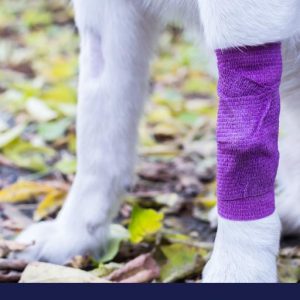
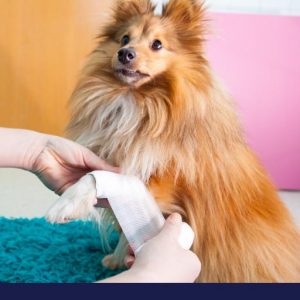
Apply a tight bandage. Add another layer if blood seeps through. Use towel/clothing if necessary (tourniquet: last resort). Where a bandage won’t work, apply a pad and keep pressing firmly. Go to a veterinarian immediately.

Order of bandages:

1. Non-adhesive dressing
2. Cotton bandage, followed by cotton wool
3. Cotton bandage again
4. Surgical tape (stick to hair)
5. Cover it all with adhesive bandage/tape (stick to hair)

IMPORTANT

– Don’t wrap foot when wrapping limb.
– Don’t leave bandages on for more than 24 hours

BROKEN BONES

Address bleeding. Don’t apply splint. Confine dog for transport. A box can work for smaller dogs.

BURNS AND SCALDS

Run cold water over the wound for 5 minutes minimum. Contact vet. Keep dog warm. Don’t apply any substances. If you can’t get to a veterinarian immediately, apply a saline-soaked dressing.

POISONED

Call veterinarian immediately. Product: read contents/ingredients on packet. Plant: identify or describe it.

BALL LODGED IN THROAT

If you can’t get to a veterinarian quickly, try pushing on the throat/neck from the outside. For blue gums/tongue or collapsed dog: one person opens mouth; other reaches inside. Alternatively lay dog on side: one person presses down on abdomen sharply and suddenly behind last rib; other grabs ball when visible.

CONTAMINATED COAT

Prevent licking. Use Elizabethan collar. Cut off affected hair if possible. Never use turpentine or paint removers. For large affected areas, visit veterinarian.

HEAT STROKE

Distressed or panting heavily? Get dog to a cool spot, ideally in a draught. Wet coat with lukewarm (not cold) water. Phone veterinarian. Offer small amount of water.

SEIZURE

During fit, avoid holding/comforting dog. Darken room. Reduce noise. Remove and/or pad surrounding items. Call veterinarian.

FIGHT

If the dog is distressed, shocked or tired call the veterinarian. If there’s severe pain and/or a puncture wound to the head or body, consult a veterinarian immediately.

EYE INJURY

Call veterinarian. Bulging out: apply wet dressing and prevent rubbing/scratching. Chemicals: flush eyes with water repeatedly from eye drop bottle if possible.

DROWNING

Wipe muzzle. Drain water by holding upside down by hind legs. Resuscitate if breathing stopped. See veterinarian after incident.

ELECTRIC SHOCK

High voltage: stay away and call police. At home: switch off power. If you can’t, use a dry non-metallic item, e.g. a broom handle, to push dog away from power source. Resuscitate if breathing stopped. Call veterinarian right away.

STUNG

Remove sting without pinching poison sac. Bathe area in water or bicarbonate of soda solution. Apply ice. Call veterinarian if dog was stung in mouth or throat.

SWOLLEN ABDOMEN

Sudden swelling is serious. Phone your veterinarian without delay.

how can dog guides help iconBOOK AN APPOINTMENT WITH YOUR VETERINARIAN TODAY TO LEARN MORE & TO GET THEM THE TREATMENT THEY NEED!  Find a veterinarian near you.

Related Articles

Basic First Aid For Dogs Part 1 Read Now

What You Should Know About Performing CPR on Cats Read Now

What You Should Know About Performing CPR on Dogs Read Now

side_slide2
previous arrow
next arrow

TOOLKITS & GUIDES

Petlife heart logo

VOTING BOOTH

Would you visit the veterinarian more frequently if:

View Results

Loading ... Loading ...

LIONS FOUNDATION OF CANADA DOG GUIDES

Lions Foundation of Canada Dog Guides and its founding program, Canine Vision Canada, was established in 1983. It’s the largest school of its kind in Canada with its training school in Oakville and breeding facility in Breslau.

LEARN MORE >>

How to Make Your Own Dog Shampoo

Making your own dog shampoo is easier than you might think. In fact, you may even have most of the ingredients already!

REASONS WHY PEOPLE MAKE THEIR OWN DOG SHAMPOOS

  • To save money
  • To ensure natural ingredients are used
  • They simply enjoy making their own products

WHY CAN’T I USE HUMAN SHAMPOO ON MY DOG

Humans and dogs have different pH levels. Our shampoos can irritate their skin, or worse.

HOW TO MAKE YOUR OWN DOG SHAMPOO AT HOME

Here are a few DIY dog shampoo recipes.

REMEMBER: ALWAYS KEEP THE SOLUTION AWAY FROM YOUR DOG’S EYES

REGULAR SKIN

BASIC DOG SHAMPOO

INGREDIENTS:

2 cups warm water
1/4 cup non-toxic dish soap to remove oil
1/2 cup white vinegar for a clean, shiny coat

Vinegar is a natural deodorizer that has antibacterial properties.

DRY, ITCHY AND SENSITIVE SKIN

ALOE VERA AND GLYCERIN DOG SHAMPOO

INGREDIENTS:

1 litre water
1/3 cup glycerin
2 tablespoons aloe vera gel
1 cup white or apple cider vinegar
1 cup baby shampoo or nontoxic dish soap

OATMEAL DOG SHAMPOO FOR DRY SKIN

INGREDIENTS:

1 litre water
1/2 cup baking soda
1 cup of uncooked oatmeal

Aloe vera and oatmeal have soothing properties.

METHOD

ALOE VERA WITH GLYCERIN & BASIC DOG SHAMPOO

METHOD:

1. Combine ingredients in spray bottle.
2. Shake to mix.
3. Wet coat with warm water.
4. Add shampoo, but avoid eyes.
5. Work in and create a thick lather.
6. Always rinse properly.
7. Dry your dog.

OATMEAL DOG SHAMPOO

METHOD:

1. Grind oats until fine and powdery (use a food processor, blender or coffee grinder).
2. Add to bowl along with baking soda and warm water then stir to combine.
3. Wet coat with warm water.
4. Add shampoo, but avoid eyes.
5. Work in and create a thick lather.
6. If possible, leave shampoo in for a few minutes before rinsing.
7. Rinse properly.
8. Dry your dog.

how can dog guides help iconBOOK AN APPOINTMENT WITH YOUR VETERINARIAN TODAY TO LEARN MORE & TO GET THEM THE TREATMENT THEY NEED!  Find a veterinarian near you.

Related Articles

Controlling Pet Hair Read Now

A Handy Overview Of Dog Shampoos Read Now

Does Your Dog Have a Healthy Coat & Skin? Read Now

side_slide2
previous arrow
next arrow

TOOLKITS & GUIDES

Petlife heart logo

VOTING BOOTH

Would you visit the veterinarian more frequently if:

View Results

Loading ... Loading ...

LIONS FOUNDATION OF CANADA DOG GUIDES

Lions Foundation of Canada Dog Guides and its founding program, Canine Vision Canada, was established in 1983. It’s the largest school of its kind in Canada with its training school in Oakville and breeding facility in Breslau.

LEARN MORE >>

Basic First Aid for Dogs Part 1: First Aid Kit & Emergencies Overview

Being a responsible dog owner involves educating yourself about basic care and health problems. It’s also important to learn how to take care of your pet in case of an injury, accident or emergency.

In Part 1 of Basic First Aid for Dogs we take a look at first aid kits and emergency situations.

A BASIC FIRST AID KIT FOR DOGS TYPICALLY CONTAINS THE FOLLOWING ITEMS:

  • Thick Towel
  • Elizabethan collar
  • Surgical sticky tape
  • Cotton wool (one box)
  • Sterile absorbent gauze (one box)
  • Blunt ended scissors, ideally curved
  • Open-weave conforming bandages (width: 2.5 cm)
  • Self-adhesive or crepe bandage (one roll, width: 5 cm)
  • Non-adhesive absorbent wound dressings (5 cm x 5 cm)

EXAMPLES OF EMERGENCY SITUATIONS

Poisoning
Eye injury
Heatstroke
Fight wound
Road accident
Burns and scalds
Anaphylactic shock
A long seizure or multiple seizures within a short period of time

HOW TO KNOW IF YOUR DOG NEEDS EMERGENCY CARE

If you don’t know if your dog needs professional help, call your veterinarian or an animal hospital for advice. When to reach out:

Repeated vomiting
Sudden balance issues
You think your dog is in pain
Unable to defecate or urinate
Breathing problems and/or coughing
Lethargy, weakness and/or depression
Diarrhea that’s severe and/or diarrhea with blood
Agitation, shaking, shivering and/or restlessness in females with suckling puppies

WHAT TO DO IN EMERGENCY SITUATIONS

1. Safety First: don’t act before making sure you’re safe and those around you are safe.
2. Keep calm while you assess the situation to get the facts.
3. Phone your veterinarian (who should be saved as a contact on your mobile).
     – If the practice is not nearby, get the number of the nearest pet clinic.
     – If you can’t get immediate help or transport, ask what you should do next.
4. If you think the dog might bite, put a muzzle on / tie muzzle with non-stretch gauze.
5. Don’t give human medication, food or water.
6. Drive safely to the nearest clinic.

how can dog guides help iconBOOK AN APPOINTMENT WITH YOUR VETERINARIAN TODAY TO LEARN MORE & TO GET THEM THE TREATMENT THEY NEED!  Find a veterinarian near you.

Related Articles

Basic First Aid For Dogs Part 2 Read Now

What You Should Know About Performing CPR on Cats Read Now

What You Should Know About Performing CPR on Dogs Read Now

side_slide2
previous arrow
next arrow

TOOLKITS & GUIDES

Petlife heart logo

VOTING BOOTH

Would you visit the veterinarian more frequently if:

View Results

Loading ... Loading ...

LIONS FOUNDATION OF CANADA DOG GUIDES

Lions Foundation of Canada Dog Guides and its founding program, Canine Vision Canada, was established in 1983. It’s the largest school of its kind in Canada with its training school in Oakville and breeding facility in Breslau.

LEARN MORE >>

A Handy Overview of Dog Shampoos

That puppy smell doesn’t last forever and even puppies need baths sooner or later. So do adolescent, adult and senior dogs. 

WASHING YOUR DOG AT HOME

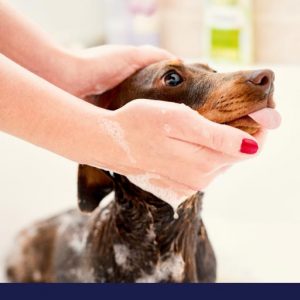
If you want to wash your dog at home, you’ll need to choose a shampoo that was specifically created for dogs. BUT: Not all dog shampoos work for all dogs. Apart from brands, there are different types of shampoos available. For example, you get general purpose shampoos as well as shampoos to help treat health conditions.

So, let’s take a look at some of your options and what they’re typically used for.

TYPES OF DOG SHAMPOOS

  • Flea shampoo: for the treatment and/or prevention of fleas
  • Puppy shampoo: milder products better suited to young dogs
  • Aloe vera shampoo: helps cool and soothe irritated or sensitive skin
  • Medicated shampoo: prescribed to treat specific (usually skin) conditions
  • Regular shampoo: a quality, general purpose dog shampoo works for many dogs
  • Black shampoo: created for dogs with dark coats to enhance colour and promote shine
  • Hypoallergenic shampoo: a mild dog shampoo for sensitive skin to prevent allergies, irritation or other skin issues

IMPORTANT

Never use human shampoos on dogs as they can have very harmful effects.

Dogs have different grooming needs. So, for hygiene and safety reasons, ask your veterinarian how frequently your dog should be bathed.

Before sending your dog to professional groomers, make sure they use appropriate products (especially if your dog needs hypoallergenic or medicated shampoo).

MEDICATED SHAMPOOS

There are different types of medicated shampoos for different issues.

Examples include:

  • Antibacterial shampoo: for bacterial pyodermas
  • Antifungal shampoo: for Malassezia dermatitis (abnormal overgrowth of yeast)
  • Benzoyl peroxide shampoo: for relief from mange, dermatitis, canine and feline acne and more
  • Antiseptic shampoo: for nonspecific superficial dermatoses (skin disease); can help remove scales, crusts and odour-causing debris
how can dog guides help iconBOOK AN APPOINTMENT WITH YOUR VETERINARIAN TODAY TO LEARN MORE & TO GET THEM THE TREATMENT THEY NEED!  Find a veterinarian near you.

Related Articles

Controlling Pet Hair Read Now

How To Make Your Own Dog Shampoo Read Now

Does Your Dog Have a Healthy Coat & Skin? Read Now

side_slide2
previous arrow
next arrow