




Cats And Strange Litter Box Habits

The primary reason why cat owners surrender their beloved feline companions to animal shelters is due to strange and objectionable litter box habits. […]
The Importance Of Socializing And How Puppy School Can Help

Socialized puppies and puppies that go to puppy school are more likely to develop into happy, healthy dogs that literally play well with others, including humans. […]

How To Train Older Dogs

To be honest, teaching an older dog new tricks is not the easiest task, but, with a little help, it is possible. Before you start, just check with your veterinarian which physical exercises are safe. […]

why dogs bark

Why Do Dogs Bark And How To Restrain It

Barking is in a dog’s nature, but when barking is excessive it can cause problems. Usually, dogs bark for a reason, so figuring out the ‘why?’ is the first step of action. […]

Top Interactive Toys For Bored Dogs

A bored dog can become unhappy, destructive or anxious. Interactive dog toys could be the solution, or at least part of the solution. […]

Top Toys For Cats

Some house cats have learnt to enjoy a life of leisure, while others prefer to mix things up with frequent hunting trips, or at least exploring missions. When they’re not relaxing, ‘the hunters’ probably enjoy to stalk and pounce on prey … or things that look like prey. […]

The Benefits Of Dog Toys

Most dogs need chew toys, especially when they’re puppies and many dogs need toys to play with, especially when they’re alone. The distraction and entertainment offered by toys will benefit both pets and their owners. […]

Using A Muzzle As A Training Aid: What You Should Know

Many (if not most) dog owners tend to find the use of muzzles upsetting or even inhumane. Here are some of the main concerns and questions: Does it hurt? Isn’t it cruel? How long can it be worn? Is it really necessary and when? […]

Training Dogs

5 Essential commands worth teaching your dog: Just because your beloved dog is balanced, happy and healthy doesn’t mean he or she is obedient. Luckily, with a few basic tricks, you can manage certain unfavourable behaviours that you’re experiencing or that can creep in later. […]

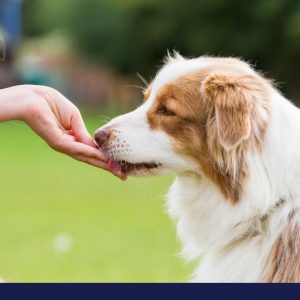
Dog receiving treat from owner during training

Treat Tips For Training Dogs

There is a great variety of treats out there owners can choose from to make dog training easier. Different dog ages, dog sizes and difficulty levels of tricks will help determine the choice of treat. Other factors such as treat ingredients and product origin are important to many owners […]

raising training kittens

Raising & Training Kittens

Most people know that dogs can be trained, but not everyone knows that cats are also able to learn various tricks and behaviours. They are intelligent, independent animals and with the right training they can follow instructions (plus, they don’t really need that much approval). Here are a few techniques and tips […]

Raising & Training Puppies

Most people will agree that puppies are adorable, but before getting one you should know that they also require lots of love, attention and training. You should start training your puppy as soon as they arrive at their new home. […]
Dog Obedience Training

It’s important to help people understand that raising and maintaining a dog, although rewarding, is not always easy. That’s where training comes in. Once you and your dog understand each other, life becomes pleasant and things can get fun. […]

Negative Punishment For Cats

When it comes to cat discipline, many owners find negative punishment and positive reward useful. Before finding out how you can discipline your cat, remember the following: always react consistently towards bad (and good) behaviour. If you don’t, you’ll just confuse your cat […]

Negative Punishment For Dogs

Don’t let the word “negative” get to you. Read this important page! Dogs need discipline. Some dog owners find negative punishment effective when it comes to correcting their dogs. It almost always works and it’s humane as well as safe. Plus: it can help with healthy communication and developing good behaviour. […]

Common Cat Behaviours

A deep stare accompanied by a purr, gentle kneading and rubs against our legs are all great. However, rejecting a clean litter box and streaking (leaving feces stains) through the house are far from OK. Don’t let common cat problems get in the way […]

Socializing: Indoor Games for Dogs

Whether it’s cold outside or if you live in an apartment, it’s great to have a few simple and fun games to keep your dog entertained, active and stimulated. Try these 10 indoor exercises and games to make the most of playtime. […]

canada companion animal

Dogs As Companion Animals In Canada

Companion dogs, emotional support dogs and therapy dogs are not technically service dogs. Companion dogs provide comfort and coping assistance. […]
Daycare For Dogs: Supervision, Socialization And Stimulation

Daycare for dogs would’ve been a strange concept a decade or so ago, but today it’s a growing commercial service that’s benefiting dogs and owners. The concept of paying for dog supervision might seem strange, but if all the pros are weighed up it really […]

dogs that jump and how to stop them

Dogs That Jump And How To Stop Them

Dominance and greeting behaviours are popular theories about why dogs jump on people. Dogs are very social and greet each other nose-to-nose and want to do the same with humans. […]

dog common phobias and fears

The Most Common Dog Phobias And Fears

It’s usually sad and can cause stress when dog owners realize their dog has a fear or phobia. They often don’t understand the cause and don’t know how to handle the behaviour that comes with the fear. […]

Training Cats For Movies And TV Shows

Believe it or not, cats are totally trainable. Well, at least some of them. How do we know this? Cats appear in movies and TV shows where they perform certain actions they’ve been taught. Here’s the thing though: apparently they’re harder to train than other […]

Train Your Cat To Do These Things

Does your cat follow your every command? Probably not. Don’t worry, it’s normal. However, with a little effort, positive reinforcement and patience you can train your cat to do these things: Clickers are not just used for training dogs. […]

How Dogs Tune Out Noise

The “Cocktail Party Effect” : Have you ever heard your name being mentioned nearby, while being surrounded by a noisy crowd? This strange but common phenomenon is called ‘the cocktail party effect’. Dogs have the same ability and they’re even better at it than human babies! […]
Socializing Your Dog

What is dog socializing and why does it matter? The gap for effective learning closes at around 16 to 20 weeks, so start obedience training immediately. During these first four to five months your curious and fearless puppy’s senses will be greatly stimulated. […]

Socializing Your Cat

It might not be common knowledge, but cats also need to be socialized. Luckily, you can find out how to socialize your cat here or share the tips with other cat owners who could benefit. What is cat socialization and why is it important? […]


The primary reason why cat owners surrender their beloved feline companions to animal shelters is due to strange and objectionable
Socialized puppies and puppies that go to puppy school are more likely to develop into happy, healthy dogs that literally
To be honest, teaching an older dog new tricks is not the easiest task, but, with a little help, it
why dogs bark
Barking is in a dog's nature, but when barking is excessive it can cause problems. Usually, dogs bark for a
A bored dog can become unhappy, destructive or anxious. Interactive dog toys could be the solution, or at least part
Some house cats have learnt to enjoy a life of leisure, while others prefer to mix things up with frequent
Most dogs need chew toys, especially when they're puppies and many dogs need toys to play with, especially when they're
Many (if not most) dog owners tend to find the use of muzzles upsetting or even inhumane. Here are some
5 Essential commands worth teaching your dog: Just because your beloved dog is balanced, happy and healthy doesn’t mean he
Dog receiving treat from owner during training
There is a great variety of treats out there owners can choose from to make dog training easier. Different dog
raising training kittens
Most people know that dogs can be trained, but not everyone knows that cats are also able to learn various
Most people will agree that puppies are adorable, but before getting one you should know that they also require lots
It’s important to help people understand that raising and maintaining a dog, although rewarding, is not always easy. That’s where
When it comes to cat discipline, many owners find negative punishment and positive reward useful. Before finding out how you
Don’t let the word “negative” get to you. Read this important page! Dogs need discipline. Some dog owners find negative
A deep stare accompanied by a purr, gentle kneading and rubs against our legs are all great. However, rejecting a
Whether it’s cold outside or if you live in an apartment, it’s great to have a few simple and fun
canada companion animal
Companion dogs, emotional support dogs and therapy dogs are not technically service dogs. Companion dogs provide comfort and coping assistance.
Daycare for dogs would’ve been a strange concept a decade or so ago, but today it’s a growing commercial service
dogs that jump and how to stop them
Dominance and greeting behaviours are popular theories about why dogs jump on people. Dogs are very social and greet each
dog common phobias and fears
It’s usually sad and can cause stress when dog owners realize their dog has a fear or phobia. They often
Believe it or not, cats are totally trainable. Well, at least some of them. How do we know this? Cats
Does your cat follow your every command? Probably not. Don’t worry, it’s normal. However, with a little effort, positive reinforcement
The “Cocktail Party Effect” : Have you ever heard your name being mentioned nearby, while being surrounded by a noisy
What is dog socializing and why does it matter? The gap for effective learning closes at around 16 to 20
It might not be common knowledge, but cats also need to be socialized. Luckily, you can find out how to
TRAINING & BEHAVIOUR
Petlife heart logo

VOTING BOOTH

Would you visit the veterinarian more frequently if:

View Results

Loading ... Loading ...

LIONS FOUNDATION OF CANADA DOG GUIDES

Lions Foundation of Canada Dog Guides and its founding program, Canine Vision Canada, was established in 1983. It’s the largest school of its kind in Canada with its training school in Oakville and breeding facility in Breslau.

LEARN MORE >>

Cats And Strange Litter Box Habits

The primary reason why cat owners surrender their beloved feline companions to animal shelters is due to strange and objectionable litter box habits.

Considering the lingering aroma of cat deposits, doing their business outside their litter box can drive owners over the edge with annoyance. Often, this is because we lack a proper understanding of our cats’ needs and, feeling overwhelmed, reject them. However, with a bit of additional effort from the owner’s side, these peculiar litter box issues can be effectively addressed and resolved.

Cats with any of a variety of problems exhibit these behaviours:

  • They miss the box and urinate next to it.
  • They urinate on your belongings, such as laundry or clothes left on the floor.
  • They urinate on walls or furniture.
  • They trail litter when they leave the box.
  • They cry out when they urinate.
  • You’ve noticed them repeatedly entering and exiting the litter box, producing small amounts of urine or none at all.

The first few points are rooted in cat psychology while the last two indicate serious health conditions that need a veterinarian’s attention.

So, it’s crucial to understand that if your cat isn’t using the litter box correctly, they’re not being naughty. They’re trying to communicate something to you.

REASONS FOR ODD BEHAVIOUR

Medical Causes: Urinary tract diseases can cause inappropriate urination.

Behavioural Causes: Stress and anxiety can influence their urinating habits. Changes in routine, such as a new household member or new accommodation can lead to toilet changes. “Marking” spots in the house with their urine sets their territorial boundaries.

Litter Box Issues: Cats may also change their toilet habits if they have problems with their litter box. They may not like the type of litter material, the litter tray, or where it is located.

Ideal litter boxes and litter

It’s recommended to maintain a minimum of one litter box for each cat in your home, along with at least one spare. This is crucial as cats can exhibit selective behaviour towards litter boxes due to various factors. These can range from turf disputes with other cats in the household, to disturbances from nearby appliances causing noise or distractions, or even specific preferences such as using one box solely for urination and another for defecation.

The rule of thumb for sizing a litter box is that it should be approximately the same as the length from the cat’s nose to the tip of its tail, and as wide as your cat is long with its tail down. This usually equates to about 45 x 36cm (17.7 x 14.2 inch). If your injured or elderly cat has difficulty moving, a litter tray with a lower entry point is a good option.

While we may find perfumed litter preferable to the smells often emanating from litter boxes, the more natural solution is to clean the box every day.

High sides or low sides?

Certain cats prefer litter boxes with low sides over ones with high sides. If your cat tends to eliminate outside the box, but close to it, a low-sided box might be a good solution. This could be particularly helpful if your cat has arthritis, which can make entering a high-sided box painful. This is especially relevant for older cats, as arthritis is common in senior felines, even though they may not always show signs of discomfort. A low-sided box can make it easier for your cat to enter and exit. These types of boxes, which can also be disposable, are ideal for kittens as well. For cats that tend to spray near the box, a higher-sided box could be a more effective solution.

Covered boxes?

It’s a common preference among pet owners to use covered litter boxes. They serve the dual purpose of containing the litter when the cat’s scratching gets a bit too enthusiastic and also help to control the odour. Although we humans might favour a litter box with a cover, most cats would rather not have them. This is because they want to keep a wary eye on their surroundings while they’re vulnerable when using the litter box. Cats are also meticulous about personal cleanliness – they don’t want to use a stinky litter box.

Messy cats

For cats that tend to scatter litter while digging, or for those that leave a trail of litter behind them, there are a few solutions. You can place mats specifically designed to trap litter in front of the box. Alternatively, you can put the litter box inside a larger plastic bin, similar to the ones used for storing gift wrap.

Caring for a cat with strange litter box etiquette can be a real challenge for even the most loving of owners. Hopefully, this article will point the way toward a happy outcome if your home is troubled with any of these issues.

how can dog guides help iconBOOK AN APPOINTMENT WITH YOUR VETERINARIAN TODAY TO LEARN MORE & TO GET THEM THE TREATMENT THEY NEED!  Find a veterinarian near you.
side_slide2
previous arrow
next arrow

TRAINING & BEHAVIOUR

Petlife heart logo

VOTING BOOTH

Would you visit the veterinarian more frequently if:

View Results

Loading ... Loading ...

LIONS FOUNDATION OF CANADA DOG GUIDES

Lions Foundation of Canada Dog Guides and its founding program, Canine Vision Canada, was established in 1983. It’s the largest school of its kind in Canada with its training school in Oakville and breeding facility in Breslau.

LEARN MORE >>

The Importance of Socializing and How Puppy School Can Help

Socialized puppies and puppies that go to puppy school are more likely to develop into happy, healthy dogs that literally play well with others, including humans. Without proper socialization, behavioural issues could make things difficult in the future, for everyone.

THE BEST TIME TO BEGIN SOCIALIZING YOUR PUPPY

ONCE A PUPPY IS 12 WEEKS OLD, A CRITICAL SOCIALIZATION WINDOW CLOSES.

Ideally, a puppy should be encouraged to explore its senses from as early as three weeks of age. The thing is, puppies usually only arrive at their new homes once they’re eight weeks old. This means there’s only one month left for this important socializing business, while they are still fearless and have a sense of adventure. Owners should make the most of this time to bond with and help their puppies understand what is ‘normal’.

SO, DON’T WASTE TIME

Introduce your pup to new faces, places, sounds and activities, but do this in a safe way so that your puppy doesn’t catch a disease in the process. Choose clean environments where you are in control or even better: simply carry your puppy around until all vaccinations have been completed. To be safe, consult your veterinarian about socializing your puppy.

TO CONSIDER

If you don’t socialize little Rover, you can’t expect him to turn into a well-behaved adult dog that just loves everybody and plays by the rules.

THE IMPORTANCE OF SOCIALIZING

Behavioural problems are always tough to deal with. What’s even more alarming is that poor socialization can lead to euthanasia and abandonment because people don’t know what to do about behavioural issues.

When owners don’t socialize their dogs, there’s a good chance that phobias, fears and anxieties will develop. These issues, that can manifest in a number of ways, are why some dogs don’t like people; some don’t like men; others don’t like other animals; some always seem scared while others always seem aggressive.

MANY DOGS ARE ALSO TOO DEPENDENT ON ONE PERSON.

One can imagine that hours spent alone could be traumatizing, but so could crowded, noisy environments. Contrary to popular belief, dogs don’t have to suffer abuse to be fearful or suffer from anxiety. Lack of socialization, or insufficient socialization, can be very damaging as well.

If you don’t prioritize socializing your dog, your dog will be unhappy and you’ll be unhappy. Yes, you can go for training later, but it’s just not the same.

HOW PUPPY SCHOOL CAN HELP

Puppy preschool (sometimes referred to as puppy confidence classes) are great for new owners who are willing to go to classes once a week for one month. That’s reasonable, right? Just don’t think they’re going to do the work for you. The experts are there to guide you, assist you and encourage you to continue training at home, but that last part’s up to you. These supervised, interactive classes are fun and certainly social for all involved. To keep benefitting from these classes, make sure friends and family members who will interact with and look after your pup get the memo on how to treat and discipline your pup. All attending puppies should be up to date with their shots and treated with acceptable pest prevention products to ensure safe socialization.

HOW TO CHOOSE A PUPPY SCHOOL

  • Choose a puppy school with a good reputation.
  • Ask your trusted veterinarian to recommend reputable organizations.
  • Do research: veterinary clinics, pet shops and private organizations could be considered.
  • If possible, choose a diverse class with pups in all shapes and sizes.

HOW TO MAKE THE MOST OF THE FIRST 12 WEEKS

Because there is little time and a long list of things you would ideally like your dog to be exposed to, you have to be smart and prioritize. ‘Things’ include humans, other dogs, other animals, touching/physical contact, sounds, sights, objects, types of people, accessories, vehicles, electronic equipment and any other ‘everyday’ things you can think of.

HERE’S A LIST TO GET YOU STARTED
  • Humans and children (supervised): as many unfamiliar faces as possible; also consider age, ethnicity, built, etc.
  • Handling: make sure your pup starts getting used to all types of safe and appropriate physical contact so that grooming, comprehensive physical checkups and contact with others don’t become an issue.
  • Other dogs: friendly dogs; dogs that will reprimand puppies with appropriate force and restraint for getting into their personal space; puppies who play well (that don’t get overly aroused).
  • Other animals: any animals your dog may meet, whether it’s other pets or livestock.
  • New surfaces and textures: concrete, slippery floors, metal surfaces (manhole or scale), wobbly surfaces, stairs, wet grass, mud, etc.
  • Things with wheels: different vehicles, sports equipment and anything else that requires wheels to move.
  • Manmade things: broom, balloon, umbrella, bags blowing in the wind, blanket/rug being shaken, garbage cans, etc.
  • New environments: neighbourhoods, streets, cities, parking lots, new buildings where they’re allowed, dog-friendly events and establishments and training classes.

REMEMBER

Always watch your pup’s reaction when exposed to new things; make sure interactions are safe; gradually increase exposure (e.g. play music during feeding times). The lifelong rewards are worth it so good luck and remember to have fun along the way!

HOW ENVIRONMENTS PLAY A ROLE IN SOCIALIZING DOGS

The environment in which a dog is raised plays a primary role in how your dog will grow up and behave in the future. It’s all about allowing your dog to interact with a variety of humans, animals and objects in a safe and supervised environment. The first few months are crucial, but keep in mind that puppies only meet their owners after about 8 weeks.

ONCE YOUR NEW FAMILY MEMBER ARRIVES

Gradual exposure to different things should start immediately. Whatever you do, don’t move too fast. You don’t want to scare your puppy during this impressionable phase. There’s a fine line between appropriate exposure and overstimulating a puppy. That means owners should be committed, yet not obsessive. However, if you get it right and continue to socialize your dog throughout its life, you’re very likely to end up with a well-rounded dog.

HERE ARE SOME TIPS
  • Talk to the original owner/breeder to find out if your pup has started the socialization process. Continued interactions with mum and littermates are crucial.
  • Supervised exposure to other friendly humans and animals, a variety of sounds, surfaces and toys is also great.
  • Previous car trips also help as well as anything else that’s new, in any way, that won’t scare the pup.
  • Once your puppy arrives in its new home don’t ever stop introducing new people, things and other stimuli.
  • Just try your best to never scare or upset your pup, because bad experiences can lead to behavioural issues.
  • So keep new experiences fun and help your pup form positive associations.
RESCUE DOGS MAY NEED MORE GUIDANCE IN THE BEGINNING, BUT ONCE YOU GET INTO A RHYTHM, YOU SHOULD KEEP SOCIALIZING.

A great help is to sign up for puppy socialization classes at a reputable place. Ask your veterinarian for recommendations because you want to use a company where there are a variety of breeds and where different age groups can interact in a safe, supervised environment where good associations can be formed.

Later, you could continue with more advanced training classes, however, many owners decide not to do this and often regret it. Independent training can quickly take a backseat with troubling consequences in the long run. If you do choose to continue training, choose trainers who know what they’re doing and check that they don’t punish dogs to change their behaviour.

While your dog is getting used to new people, other pets and training, you should also remember to introduce new, different environments. Make short but frequent visits to the pet shop, parks, the beach if nearby, parking lots, friends’ houses and friends with friendly dogs. These experiences should be fun. If your pup seems anxious or scared, try not to make a fuss yet offer a little bit of reassurance.
IMPORTANT

MAKE SURE EXPOSURE IS ON PAR WITH YOUR PUP’S VACCINATION STATUS

Usually, after round two of vaccinations, pups can freely meet others, go for walks, sniff away and even lick a few things. The keyword here is variety, within measure, in a safe environment. Whenever possible, keep your pup away from unfriendly dogs. Interactions with these poor things can be traumatizing for everyone involved.

PUPPY SCHOOL AND TRAINING SCHOOL INSTRUCTORS

This should cover the basics of lead training and handling. This will help a great deal during walks. In a nutshell, you don’t want to have a tight lead, but you don’t want your dog to take advantage of this and pull. If you find yourself in a situation where there’s a potential threat, e.g. an unfamiliar approaching dog, stay calm for everyone’s sake and don’t instantly or roughly tighten the lead.

IF THERE IS AN ALTERCATION?

It is recommended to drop the leads and refrain from interfering. This will allow the dogs to decide how to react (a scared dog may want to flee or freeze, while a dog trying to break free might want to fight). If your dog tends to flee, it’s very important that your dog knows and responds to the recall command.

IF STAYING AT KENNELS DURING HOLIDAYS IS IN YOUR DOG’S FUTURE

You need to prepare your pup. This strange environment should not be scary when the time comes to ‘check in’. Make short trips to the facilities, have a few play sessions there and remember to keep it fun. Increase time spent at the kennels and later book an overnight session. Be sure to choose a great kennel you can trust. The same rules apply for older dogs. Just because they’re adult dogs doesn’t mean they can handle this new environment.

As humans we also tend to respond differently in a different environment so with this in mind try to approach this important part of socialization with enthusiasm and patience.

how can dog guides help iconBOOK AN APPOINTMENT WITH YOUR VETERINARIAN TODAY TO LEARN MORE & TO GET THEM THE TREATMENT THEY NEED!  Find a veterinarian near you.

Related Articles

Daycare For Dogs: Supervision, Socialisation & Stimulation Read Now

Raising & Training Puppies Read Now

Dog Obedience Training Read Now

Socialising Your Dog Read Now

Training Dogs Read Now

side_slide2
previous arrow
next arrow

TRAINING & BEHAVIOUR

Petlife heart logo

VOTING BOOTH

Would you visit the veterinarian more frequently if:

View Results

Loading ... Loading ...

LIONS FOUNDATION OF CANADA DOG GUIDES

Lions Foundation of Canada Dog Guides and its founding program, Canine Vision Canada, was established in 1983. It’s the largest school of its kind in Canada with its training school in Oakville and breeding facility in Breslau.

LEARN MORE >>

How to Train Older Dogs

To be honest, teaching an older dog new tricks is not the easiest task, but, with a little help, it is possible.

Before you start, just check with your veterinarian which physical exercises are safe.

Older dogs are dogs that are past the puppy and adolescent stages. Puppyhood can last up to 18 months of age while adolescence can start anytime from six months of age. Adulthood can start from 12 months of age and senior years can start from six years of age.

PATIENCE AND EDUCATION
Adult and senior dogs may not be able to tackle an obstacle course or respond immediately like an adolescent dog, but they can still learn new tricks. Just be patient and realize that some physical issues that come with age may prevent the reaction you want.

REASONS WHY A MAN’S FAVOURITE COMPANION MAY TAKE A WHILE TO CATCH ON:

MENTAL CONDITIONS
Mental conditions or disorders could make it difficult for adult or senior dogs to learn new behaviours. Doggie Alzheimer’s (canine cognitive disorder) is real. Symptoms of ‘senility’ should be warning signs.

NO TRAINING
Discontinued training or no previous training: just like humans, mental and physical exercise may help dogs stay more engaged and alert.

OWNER COMMITMENT
If the owner is lacking skill, commitment, or both, it will be harder to reach set goals. Consistency, repetition and reinforcement – done in the right way – is very important.

PREVIOUSLY ABUSED
The owner previously used verbal or physical abuse.
Tip: KEEP IT POSITIVE.

STUBBORNESS
The owner is trying to change learnt behaviour instead of teaching new behaviour. If you’re planning to do this you must be up for the challenge.

PHYSICAL ISSUES
Physical issues, injuries, illness or diseases: learning new behaviour is one thing; performing them is another. In fact, it can be dangerous if your dog has health problems or pain if suffering from osteoarthritis. Obese dogs or those with hip problems, among others, will also struggle. Hearing may also be a problem.

DON’T COUNT YOUR CHICKENS…
Age, breed, physical and mental state can all play a role in how your dog learns, what he is able to learn and his ability to remember new behaviour as well as perform them. Don’t expect any (significant) results when you start (re)training your adult or senior dog. They may have aged, but could still be in the ‘puppy’ phase of learning new behaviour and tricks.

THE BIGGER PICTURE
Don’t lose hope if your dog is not getting the hang of the tricks you’re trying to introduce. There are many behaviours and tricks you can teach your dog and maybe you should try something new. If your dog has physical issues, stick to low impact tricks and reinforcing good manners. For dogs with hearing problems, hand signals could really come in handy.

Remember, senior dogs may become irritable and less responsive with time. It’s just age stepping in and you should adapt your lessons and behaviour accordingly. If your dog is in pain, many day to day tasks, such as grooming, or routines (eating and getting into their bed) could become difficult. If necessary, help your dog and encourage assistance with treats if he’s not impressed with the interference. For hearing problems, certain whistles could be effective, but be careful to avoid damage to your hearing.

FINALLY: Keep training, keep reinforcing and keep rewarding your dog. They usually enjoy it and benefit greatly from the interaction and attention.

how can dog guides help iconBOOK AN APPOINTMENT WITH YOUR VETERINARIAN TODAY TO LEARN MORE & TO GET THEM THE TREATMENT THEY NEED!  Find a veterinarian near you.

Related Articles

How Dogs Tune Out Noise Read Now

Treat Tips For Training Dogs Read Now

Using a Muzzle As a Training Aid: What You Should Know Read Now

side_slide2
previous arrow
next arrow
TRAINING & BEHAVIOUR
Petlife heart logo

VOTING BOOTH

Would you visit the veterinarian more frequently if:

View Results

Loading ... Loading ...

LIONS FOUNDATION OF CANADA DOG GUIDES

Lions Foundation of Canada Dog Guides and its founding program, Canine Vision Canada, was established in 1983. It’s the largest school of its kind in Canada with its training school in Oakville and breeding facility in Breslau.

LEARN MORE >>

Why Do Dogs Bark and How to Restrain it
why dogs bark

Barking is in a dog’s nature, but when barking is excessive it can cause problems. Usually, dogs bark for a reason, so figuring out the ‘why?’ is the first step of action.

WE CAN TELL YOU THIS

It probably won’t be easy to deal with, but it’s possible to reduce barking if you stay patient and persistent.

THINGS TO REMEMBER

  • Barking should not be tolerated.
  • Don’t shout. Stay calm and be firm. Say “Quiet”, not “Shut Up!” and award obedience.
  • Barking should not be ignored and not rewarded with action.
  • Barking should be dealt with as soon as possible.
  • The longer you accept this behaviour the likelier the habit will become deeply rooted.
  • Barking should be addressed correctly and consistently.

REASONS WHY DOGS BARK AND WHAT TO DO ABOUT IT

In general, dogs bark to communicate emotions experienced in different situations. Some dogs are more protective than others, so when their territory is ‘threatened’, it can be met with barking. Looking alert or even aggressive is not uncommon. It’s also not surprising that dogs bark, yelp or howl when they’re scared or startled.

If your dog is scared, wants to protect you or has territorial concerns, barking could be curbed by reducing the dog’s visual exposure. Obstructive materials, for example wood, can be incorporated to limit street views.

A sad, lonely or bored dog is bound to let some form of vocal noise escape. If a dog’s ‘pack’ is away, it’s understandable that lonely moments get intense.

Doggy Daycare
May not be the most cost-effective, but it is a great option.

Help Your Dog
Get rid of energy before you leave. Walk, exercise or play together.

Provide A Distraction
Food dispensing toys can be fun, rewarding and reduce energy.

Provide Companionship
If possible, have someone check in if you’re absent for long periods at a time. Walks and playtime are ideal. A new furry friend may also help.

Stay Indoors (If it’s an option)
Leave your dog inside your home while you’re away. Noise reduction, upped security and a safer spot for your dog are all benefits. Inside, your dog is safe from dangerous people and is less likely to try and escape.

BARKING IS ALSO A WAY OF SAYING HELLO AND OFTEN FORMS PART OF PLAYING. JUST BE SURE THOSE TAILS KEEP WAGGING AND JUMPING DOESN’T OCCUR (OR IS BRIEF AT LEAST).

Arriving home to a dog that is happy to see you is always great. Yet, if that greeting goes along with barking and jumping, including when others visit, it’s time to put a stop to it. You can start by teaching your dog to stay on a spot that’s a reasonable distance from the door. Once he or she responds appropriately, you can open the door. Once he or she has learnt how to stay on the spot while the door is open, it’s time to introduce a human. Eventually, your dog should learn to stay on that spot when you or others arrive. Just keep training.

Upon arrival, barking should be ignored. It’s difficult, but don’t pet or make eye contact. Once the barking stops and your dog assumes an acceptable position you’re free to praise.

BARKING ALSO SEEMS TO WORK WHEN IT COMES TO GETTING YOUR ATTENTION.

SOMETIMES THEY HAVE A ‘MESSAGE’

WHATEVER YOUR DOG WANTS ONLY GIVE IT AFTER APPROPRIATE, OBEDIENT BEHAVIOUR.

DON’T OPEN A DOOR OR FILL WATER AND FOOD DISHES as a response to barking, you could tap the dishes before filling them to make an association that sound equals resource. If your dog tries to move the bowl instead of barking, you can reward his appropriate action.

TO GO OUTSIDE
Install a doggy door if possible or teach your dog to ring a bell.

DOGS THAT DON’T WANT TO BE LEFT ALONE

Dogs that bark for no reason are slightly more serious cases. When ceaseless barking is based on anxiety, you might also notice the following behaviour: depression, destructiveness and even inappropriate elimination which is problematic indoors.

It is often advised that a veterinary behaviorist or a certified applied animal behaviorist is approached if barking is compulsive or seems to be rooted in separation anxiety.

SOME DOGS MAY SIMPLY ENJOY BARKING BECAUSE IT GIVES THEM A RUSH

Once the barking goes along with certain occurrences or situations, for example, when delivery men or service providers come knocking, it could prompt more aggressive behaviour or the drive to escape and chase. Barking for the sake of barking could be a way to keep themselves company, but neighbours usually find this very annoying. With compulsive barking you may also notice repetitive activity. If your dog barks all the time, or for long periods at a time, you might want to try an indoor trial. For most dogs this could be comforting and encourage sleep.

MEDICAL ISSUES SHOULDN’T BE RULED OUT

Chronic pain, brain disease or even an encounter with an insect or reptile could cause barking. If you suspect any of these factors, take your dog to a veterinarian to rule out medical problems.

ELECTRONIC DEVICES

A modified collar or fencing solution can be persuasive, but these type of corrections may become ineffective or simply aggravate dogs. Water sprayers or noisemakers activated by barking could help, but if discontinued barking is not rewarded it may not reinforce behaviour.

DON’T DO ANY OF THE FOLLOWING:

  • Try your best not to shout at your pet. It is still attention.
  • Don’t physically eliminate barking by using a muzzle or similar objects.
  • Barking at certain sounds and people should not be encouraged or ignored.

DEBARKING surgical removal of tissue is not advised as it doesn’t deal with the cause of the problem. It can also have dangerous consequences or not be effective at all.

how can dog guides help iconBOOK AN APPOINTMENT WITH YOUR VETERINARIAN TODAY TO LEARN MORE & TO GET THEM THE TREATMENT THEY NEED!  Find a veterinarian near you.

Related Articles

Common Cat Behaviours Read Now

Dogs That Jump And How To Stop Them Read Now

side_slide2
previous arrow
next arrow
TRAINING & BEHAVIOUR
Petlife heart logo

VOTING BOOTH

Would you visit the veterinarian more frequently if:

View Results

Loading ... Loading ...

LIONS FOUNDATION OF CANADA DOG GUIDES

Lions Foundation of Canada Dog Guides and its founding program, Canine Vision Canada, was established in 1983. It’s the largest school of its kind in Canada with its training school in Oakville and breeding facility in Breslau.

LEARN MORE >>

Top Interactive Toys for Bored Dogs

A bored dog can become unhappy, destructive or anxious. Interactive dog toys could be the solution, or at least part of the solution.

These types of dog toys (also called enrichment dog toys) are fun distractions while you’re away. Interactive toys can be mentally rewarding; provide gratification in the form of treats; and boost activity levels. With different purposes, challenges and features, these toys are bound to get and hopefully keep your dog’s attention.

DIFFERENT FEATURES OF INTERACTIVE DOG TOYS

  • Dog toys with interesting textures (durable toys may work best).
  • Dog toys that make treats appear: the ‘solve the puzzle’ or ‘roll me’ variety.
  • Dog toys that move in unexpected ways: rolls, bounces and dangles on its own.
  • Dog toys that make weird sounds: it ‘talks’, crackles, squeaks or makes a crinkling sound.

DIFFERENT TYPES OF INTERACTIVE TOYS

  • A treat dispenser remains one of the top interactive toys.
  • To challenge dogs and keep them busy, indestructible toys are recommended.
  • Appeal to your dog’s senses with toys that are interesting to touch and hearing.
  • For skill and memory development, puzzles work well, especially when combined with treats.

It’s not likely that one toy can meet all the needs of a dog. Some toys are for playing and learning; others for chewing and finding treats. Some toys may have multiple functions, but your dog may not be interested in all of them. Many toys are simply fun to carry around, pull, toss or sleep with.

Eventually (often when toys are not interactive) dogs can get bored of them. Try to choose one or two interactive toys you think your dog might like and watch your dog’s response. If both work, that’s great. Don’t introduce more toys until they need replacement.

IMPORTANT

Toys should be safe in terms of size, materials and origin. Research dog toy brands and also ask your vet for recommendations. Brands that specialize in producing quality dog toys can usually be trusted to use safe materials. Still, always check the labels and ask around if you’re not sure.

EXAMPLES OF TOP INTERACTIVE TOYS AND WHY THEY’RE GREAT

Some toys have multiple functions and features. Imagine giving your dog a toy that has an interesting and eye-catching shape, with the ability to bounce AND dispense treats.

Dog puzzles teach dogs to ‘work’ a little for their treats. In a nutshell these are ‘seek’ and ‘snack’ toys, but they have to figure out a few things first. This keeps them engaged and motivated. If you can adjust the level of difficulty, even better. In terms of maintenance, think about the toy’s material. Plastic is easy to clean, but wood and rubber are more durable.

Combine a rope and a ball and you’re bound to have a fun, (usually) durable solution. This type of toy can be played with, easily carried around and chewed for hours. It’s especially great for puppies since it won’t roll too far out of reach. Each angle and the dangling bits are begging to be explored.

If you’re looking for some of the top toys in terms of durability, you won’t shop around for long. Some of these toys bounce unpredictably, some can dispense treats and others can do both. These toys are popular because they last and can provide either instant gratification or hours of interest. The type and quantity of treats and snacks you insert matter. To take it to the next level, freeze the toy.

There are toys that can reduce destructive chewing by offering a more enjoyable chewing experience. These toys may need to be replaced, but are worth the investment.

Noise may be a concern, especially if you work from home or have a baby that needs sleep. Whatever the reason, look for interactive toys that are popular and effective, without the noise component. These toys are softer, that is, less durable, so not recommended for chewing champs.

Some interactive dog toys can ‘talk’. These toys, with ‘voices’ and possibly lights, are not the most durable (mild chewers should be fine), but they’re definitely fun. Nibbling and rolling these types of toys should keep your dog’s attention for a while.

PLAY SPACE

Some interactive dog toys are great for outdoor areas; others work best on tile and hardwood flooring. Playing on carpeted flooring is probably quite comfortable for dogs, but may not please the owners.

how can dog guides help iconBOOK AN APPOINTMENT WITH YOUR VETERINARIAN TODAY TO LEARN MORE & TO GET THEM THE TREATMENT THEY NEED!  Find a veterinarian near you.

Related Articles

The Benefits Of Dog Toys Read Now

Top Toys For Cats Read Now

Socialising: Indoor Games For Dogs Read Now

side_slide2
previous arrow
next arrow
TRAINING & BEHAVIOUR
Petlife heart logo

VOTING BOOTH

Would you visit the veterinarian more frequently if:

View Results

Loading ... Loading ...

LIONS FOUNDATION OF CANADA DOG GUIDES

Lions Foundation of Canada Dog Guides and its founding program, Canine Vision Canada, was established in 1983. It’s the largest school of its kind in Canada with its training school in Oakville and breeding facility in Breslau.

LEARN MORE >>

Top Toys For Cats

Some house cats have learnt to enjoy a life of leisure, while others prefer to mix things up with frequent hunting trips, or at least exploring missions.

When they’re not relaxing, ‘the hunters’ probably enjoy to stalk and pounce on prey… or things that look like prey. Their natural agility comes in handy here and with the right toys you could awaken some healthy, playful instincts.

The thing is, just because some house cats are happier indoors, doesn’t mean they should exercise less. Without roaming, chasing things and applying their useful cat skills they’re missing out on the benefits of an active lifestyle, as well as valuable mental stimulation. Cats may seem lazy sometimes, but they’re still smart, so if no stimulation is provided they could misbehave. The solution? TOYS!

HERE ARE FIVE EXAMPLES

A good place to start when considering different options is looking at the cat toy categories that have a reputation for being effective.

CATEGORY 1: BALL TOYS

It might seem too obvious, but still: balls are great for chasing and pawing, preferably not in carpeted areas, unless you don’t mind. Balls that make noises are ideal options for blind cats.

Balls with slots and a bell: they’re entertaining, nice to paw and attention-grabbing
Bouncy dice toys: they’re not really round, but they can roll and bounce unpredictably and some allow you to place a treat inside
Rattling balls: some of these can look weird, but they’re wonderful and entertaining
Fluffy balls: add a spritz of catnip and you’re good to go
Crinkly, colourful balls: these are usually made of strong, thin polyester film

CATEGORY 2: CATNIP TOYS

Catnip is a herb that most cats go crazy for. Simply a whiff could lead to a burst of energy and urge to ‘attack’ and rub against the object in question. Many owners use a catnip spray, but toys with a refillable part, are even better. They’re bound to benefit from the extended, stimulating periods of play and exercise.

CATNIP ‘CIGAR’ or BAT TOYS
These are filled with leaves, ready to get a reaction from sensitive kitties.

SPINNING CATNIP TOYS
These interactive toys usually feature rings, balls and a space for catnip.

CATNIP MICE
These catnip toys don’t hold back in terms of flavour and looks.

CATNIP SACKS
Usually basic, but inexpensive and effective.

CATNIP BALLS
Similar to the mice, only round, these 2-in-1 toys are awesome.

CATEGORY 3: TOYS WITH FEATHERS

Although supervision is advised for safety reasons, toys featuring feathers are very popular (despite being slightly controversial). Toys with feathers can differ in shape, size, texture, colour, sound and behaviour.

CATEGORY 4: MICE AND OTHER PREY ANIMALS

It’s no surprise that small prey cat toys are popular and that they can be found almost everywhere. They’re usually well priced too. If your cat doesn’t like the basic versions, there are more interesting options out there.

  1. Colourful furry mice
    Not your standard grey, white and black cat toys.

  2. Squeaky mice
    Some of these mice can look quite realistic and may even include catnip, plus an electronic device that mimics a mouse’s squeak.

  3. Some cat prey toys (with or without catnip)
    Abstract in terms of looks, but can move in strange, enticing ways.

  4. Themed Mice
    Star Wars mice already exist and others may follow.

  5. Slingshot Cat Toys
    Look out for these cool chase toys; great for bonding playtimes (those with sound are even better).

CATEGORY 5: SCRATCHING POSTS & PLAYGROUNDS

Almost all owners will know that a cat needs a scratching post as well as a few personal spots and sanctuaries. Add a few toys and you’re good to go. Look for a variety, or a combination, of playgrounds and scratching posts.

  • A scratching post with toys
  • Mats with toys attached
  • An activity centre with a perch
  • A scratching post with a perch
  • Mats with interesting textures
  • A scratching post with spots to hide treats
  • An activity centre that offers rewards for completing challenges and brainteasers
  • A scratching post with a place to hide

Sleep, hide, play, dig, claw, seek or hunt. Some mats and scratching posts can even be refigured to offer a variety of shapes and sizes. A non-slip bottom may also be useful, depending on where the object will be placed.

Before you invest in kitty accessories, think about where you’ll place these items, how accessible they are and how easy you can move and clean them. Also think about what your cat likes to do most.

If you value organic products or the use of recycled, sustainable and/or eco-friendly materials you might have to look a little harder, but there should be options for your consideration.

how can dog guides help iconBOOK AN APPOINTMENT WITH YOUR VETERINARIAN TODAY TO LEARN MORE & TO GET THEM THE TREATMENT THEY NEED!  Find a veterinarian near you.

Related Articles

The Benefits Of Dog Toys Read Now

Top Interactive Toys For Bored Dogs Read Now

Socialising: Indoor Games For Dogs Read Now

side_slide2
previous arrow
next arrow
TRAINING & BEHAVIOUR
Petlife heart logo

VOTING BOOTH

Would you visit the veterinarian more frequently if:

View Results

Loading ... Loading ...

LIONS FOUNDATION OF CANADA DOG GUIDES

Lions Foundation of Canada Dog Guides and its founding program, Canine Vision Canada, was established in 1983. It’s the largest school of its kind in Canada with its training school in Oakville and breeding facility in Breslau.

LEARN MORE >>

The Benefits of Dog Toys

Dog Toy Benefits

Pet toys play an important role in dogs’ lives.

Most dogs need chew toys, especially when they’re puppies and many dogs need toys to play with, especially when they’re alone. The distraction and entertainment offered by toys will benefit both pets and their owners.

DOGS WITHOUT TOYS CAN LEAD TO A LOT OF PROBLEMS THAT MANY DOG OWNERS CAN PROBABLY CONFIRM.

Unfortunately, you get chewers that are not interested in chewing toys… And even ones that aren’t interested in chewing anything. These behaviours can drive pet owners crazy, because the first type chews everything else and the second type is often bored and doesn’t get that much-needed teeth cleaning that chew toys help with.

BUT DON’T STRESS

There are a couple of ways you can help your dog to become a chewer – of chew toys only. It might not be easy, but you probably know it’s worth the effort. As with most training, it’s important to be consistent and persistent.

THE ‘ANYTHING IS FAIR GAME’ DOG

This is the most common type of (naughty) chewer and you should address this habit as soon as possible – unless you want to keep replacing the ‘victims’. You’ll have all these interesting and delicious toys lying around, only to find an unusable toilet paper roll, a sock without a partner, a destroyed slipper, stuffingless throw cushion or worse – a missing couch – or door corner. It’s usually easier if you’re dealing with a puppy that just doesn’t know any better compared to an older dog that’s never been disciplined for this behaviour. Luckily, there are things you can do to fix this issue:

  1. Doggy-proof Your Space During Training
    Block access to regular chewing spots and pack away things your dog might ‘enjoy’ as chew ‘toy’. You want to start breaking the habit without appealing distractions in the way.

  2. Don’t Be Boring, Get a Variety of Chew Toys
    Invest in toys your dog will want to chew on. Safe toys made for children or toys only meant for playing might not be exciting enough or can quickly lose their appeal. Chew toys come in many shapes and sizes. Don’t give up if your first choice doesn’t do the trick.

  3. Make Sure The Toys Are There When You Need Them
    Always leave a chew toy around for your dog and have one handy somewhere only you can reach. Ideally the two should be different types of toys.

  4. Be Sure to Praise Good Chewing Behaviour
    Just like any other good behaviour, whether it’s being obedient or performing a trick, you should praise your dog if a dog chew toy is chosen over something they shouldn’t be chewing on.

  5. Scoop Up And Swap
    Don’t scream or scold if your dog chooses the wrong chew ‘toy’. Grab the right type of chew toy if there’s one lying around, or grab that backup toy you keep nearby and swap the two.

  6. Don’t Chew On That, Chew On This
    If you can get your dog to give the object back or bring it to you, you should offer praise or a treat. If your dog turns it into a game by running away stand your ground until the toy is returned or dropped. Only reward good behaviour and make sure everyone living with you knows the rules.

BEFORE INVESTING IN CHEW TOYS, ASK YOUR VETERINARIAN WHICH CHEW TOYS AND CHEW TREATS ARE SAFE FOR YOUR DOG’S SIZE, AGE AND BREED, IF RELEVANT.

QUICK TIP: test one chew toy at a time in a space without distractions (that is, a space without alternative chewing opportunities). Give your dog some time to check out the chew toy. If some interest is shown it’s time for a ‘good boy!’, or your usual praise words. Who knows, maybe some chewing will follow.

THE ‘I COULDN’T CARE LESS ABOUT CHEWING’ DOG

What if you have all these great chew toys, but your dog’s just not interested. Well, then it’s time to step up your game and make the toys as tempting as possible. The idea is to get their attention, encourage interaction and offer a distraction. Start with durable play and chew toys that also function as treat dispensers to break the boredom. You can try inexpensive options first to see what happens and don’t be discouraged if the first round (or two) doesn’t do the trick. 

NORMAL TOYS, THAT DON’T COME COMPLETE WITH TREATS OR A DISPENSING FUNCTION, CAN BE MADE MORE INTERESTING:

– Grab some raw, unsalted peanut butter that doesn’t contain xylitol
– Introduce it to a woven rope or rubber bone
– Then introduce this temping toy to your placid pooch

Some dogs just need a nudge when it comes to trying out toys so introduce new toys during playtime and encourage interaction (just make sure the grabbing and biting doesn’t involve your hands).

Whether it’s during playtime or in general, any appropriate interaction with the right chew toys, no matter how basic at first, should be rewarded with the type of praise your dog associates with good behaviour. Some rescue dogs may have previously been reprimanded for inappropriate chewing or touching objects in general.

So, if you notice nervous or fearful behaviour, don’t rush the process and definitely don’t punish reluctance.

how can dog guides help iconBOOK AN APPOINTMENT WITH YOUR VETERINARIAN TODAY TO LEARN MORE & TO GET THEM THE TREATMENT THEY NEED!  Find a veterinarian near you.

Related Articles

Top Toys For Cats Read Now

Top Interactive Toys For Bored Dogs Read Now

Socialising: Indoor Games For Dogs Read Now

side_slide2
previous arrow
next arrow

TRAINING & BEHAVIOUR

Petlife heart logo

VOTING BOOTH

Would you visit the veterinarian more frequently if:

View Results

Loading ... Loading ...

LIONS FOUNDATION OF CANADA DOG GUIDES

Lions Foundation of Canada Dog Guides and its founding program, Canine Vision Canada, was established in 1983. It’s the largest school of its kind in Canada with its training school in Oakville and breeding facility in Breslau.

LEARN MORE >>

Using a Muzzle as a Training Aid: What You Should Know

Many (if not most) dog owners tend to find the use of muzzles upsetting or even inhumane

Here are some of the main concerns and questions:

  • Does it hurt?
  • Isn’t it cruel?
  • How long can it be worn?
  • Is it really necessary and when?
  • Is breathing, panting or drinking water difficult?
  • If you have to use it, which type is recommended?

It may be hard to accept, but apparently quite a few canine experts believe the use of a muzzle may benefit both a dog, a person or both in an unforeseen future scenario. Maybe you never find yourself in such a position; either way, it could be good to know more about this training aid for dogs.

IN WHICH SITUATIONS IS THE USE OF A MUZZLE PASSABLE?

  • There’s an emergency: it’s not uncommon for dogs to act aggressive when they’re injured or experience severe pain which understandably creates fear in dogs.
  • There’s a perceived risk: when you anticipate a threatening situation, based on previous aggressive behaviour (which should be addressed immediately), or if you’re just (rationally) worried in general.
  • Grooming issues: many dogs don’t mind being groomed while others seem to hate it, even if they were introduced to various procedures since puppyhood.

WHEN SHOULD A MUZZLE NOT BE USED?

Don’t use a muzzle to curb behavioural issues, which include inappropriate barking, chewing and similar issues. Using a muzzle won’t solve these problems because you’re not addressing the real issues; you’re simply trying to control it in a way that’s most convenient. Instead, you should figure out what’s causing the behaviour and address it appropriately.

Don’t punish your dog by using a muzzle. Again, it won’t fix the problem underneath the surface. In the future, when the muzzle could be useful, your dog won’t react well to it.

NOTE: A muzzle is not a regular ‘accessory’ to be left on like a collar. Only use this training aid for short periods, under supervision. Some muzzles don’t allow drinking, panting and eating which is very dangerous.

THE IMPORTANCE OF A GOOD FIT

Not all muzzles are safe and effective. For a muzzle to work, make sure it fits properly before slowly starting muzzle training. Before investing in one, learn about the types and speak to various certified behaviourists and veterinarians.

WHAT YOU SHOULD KNOW BEFORE YOU GET STARTED

The biggest mistake you can make is placing a muzzle on a dog because it’s necessary (or convenient) in that moment. Imagine someone did something similar to you and all of a sudden you’re in the middle of a threatening situation, with this thing on your head. You’re not in control and your body can’t do certain things it’s used to.

TRAINING ADVICE AND TIPS

The same as with other behaviours you want your dog to learn, you need to be patient and consistent as you repeat the lessons. A few wrong moves and you could end up with a dog that rejects a muzzle which will almost certainly be a problem in the future when you need to use one.

It’s very important that the muzzle training environment does not cause stress. Slow progression and the right awards are also considered very important.

If you think about it, dogs actually tolerate a lot of weird and irritating things we expose them to. Many are nervous with vet visits, grooming ‘outings’, new places, new faces and even unfamiliar dogs. Considering the above, it should actually not be surprising that they can resort to biting if they’re scared or in pain. Unfortunately only one bite is enough to establish a ‘bite history’, which is quite unfair, but a fact that can’t be ignored.

Training Tips: Slow and Steady Steps

  1. Show the chosen muzzle, encourage a sniff, reward and repeat.
  2. Take the muzzle and gently make contact with the nose then reward. Repeat these actions until it looks like a positive interest in the muzzle develops.
  3. Encourage a voluntary entrance. Hold the treat in a way that the dog needs to insert his nose inside the muzzle to access it. Keep repeating until the dog seems comfortable.
  4. Next, be gentle as you slip the muzzle on and off, quickly, with a reassuring treat in between. Keep practising these movements for a while.
  5. Before step 6 you can let the collar hang loosely around the head and/or neck before fastening the buckle.
  6. After gently slipping on the muzzle, fasten the buckle, offer a reward and loosen the buckle quickly and remove. Again, repeat this part of the training.
  7. The quick removal now comes to an end and extended wearing time starts. Once the muzzle is comfortably secured you can start counting to five then reward before gentle removal.
  8. Build on the step above, but start increasing the time that the muzzle is left on. Go from a few seconds to 30 seconds, to a minute, a couple of minutes, etc. Always reward good behaviour while gently but firmly holding onto the collar while training.

Clicker training can also be used: good behaviour is confirmed with a ‘click’ sound followed by a treat. Gestures and marker words are other options, also combined with treats.

It may be effective to make time to go through all the steps in one day, if the dog seems comfortable enough and the response continues to be positive. If you have to or want to split up the training steps, don’t confuse or alarm the dog by just jumping to the ‘muzzle-on’ step.

Keep training, keep treating and keep calm and gentle. Eventually the occasional muzzle wearing scenarios should become accepted.

NEVER LEAVE A MUZZLE ON AN UNSUPERVISED DOG

TYPES OF MUZZLES AND THEIR USES

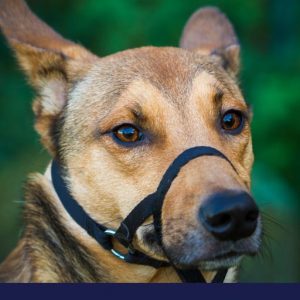
  • The Basket Muzzle: Some of these may look cruel, but they’re actually not the worst option. The part between the eyes and nose should have a form of cushioning and it doesn’t always need a support collar around the neck if the part running along the sides of the face are effective enough. If you go this route, make sure your dog can still drink water and pant (to cool off). For larger dogs, to prevent bites, a wire basket muzzle is recommended. A plastic basket muzzle should be sufficient for small dogs.
  • The Soft Muzzle: Although the material (whether nylon, leather or mesh) seems more comfortable, a soft muzzle may not be that safe as it can prevent panting which helps dogs cool off.
  • The Homemade Muzzle (not recommended): sometimes, in case of an emergency, this temporary last resort could help prevent a dog from biting those who try to assist after an injury. If possible, only use a soft material (for example gauze or pantyhose) and don’t close the nose. If no other option is available, a soft rope or a leash could be considered. If you don’t ever want to rely on a homemade muzzle, get the safest muzzle as possible at a reputable pet store and keep it where it’s easy to access.

Rewards should be reserved for good behaviour only. When your dog becomes annoyed or pulls out of the muzzle, don’t resort to scolding. Instead, offer a distraction (go outside for a few minutes) or start over when your dog looks ready. 

After a while they should get used to wearing the muzzle for an appropriate period. Some owners invest in a ‘funny’ muzzle. These have bright colours, funny illustrations or interesting patterns which help with how people respond to muzzles. A calm, friendly reaction is better than an anxious, jumpy reaction.

MUZZLE MEASUREMENTS

Preferably, only talk to a qualified expert or at least a very knowledgeable salesperson before investing in a muzzle. Important features to look for before buying:

  • The muzzle should not be too loose.
  • It should not be too tight. Breathing, panting and drinking should be possible.
  • A muzzle that’s too tight will cause painful chafing that may even become infected.
  • Don’t order online before taking the correct measurements. If the product arrives and it doesn’t fit don’t even consider using it.

Whether using a muzzle is for you or not, you may have learnt more about why people sometimes use it and why training is important if you have to rely on it someday.

how can dog guides help iconBOOK AN APPOINTMENT WITH YOUR VETERINARIAN TODAY TO LEARN MORE & TO GET THEM THE TREATMENT THEY NEED!  Find a veterinarian near you.

Related Articles

How To Train Older Dogs Read Now

How Dogs Tune Out Noise Read Now

Treat Tips For Training Dogs Read Now

side_slide2
previous arrow
next arrow

TRAINING & BEHAVIOUR

Petlife heart logo

VOTING BOOTH

Would you visit the veterinarian more frequently if:

View Results

Loading ... Loading ...

LIONS FOUNDATION OF CANADA DOG GUIDES

Lions Foundation of Canada Dog Guides and its founding program, Canine Vision Canada, was established in 1983. It’s the largest school of its kind in Canada with its training school in Oakville and breeding facility in Breslau.

LEARN MORE >>

TRAINING DOGS

5 ESSENTIAL COMMANDS WORTH TEACHING YOUR DOG

Just because your beloved dog is balanced, happy and healthy doesn’t mean he or she is obedient.

Luckily, with a few basic tricks, you can manage certain unfavourable behaviours that you’re experiencing or that can creep in later. There are of course classes available or you can train your dog yourself. Both options are fun and work well with the right attitude and effort.

It’s important to know that besides going for walks and just playing, dogs also actually enjoy and can really benefit from training.

1. SIT

You might have guessed it, but teaching your dog to sit is not only easy, but also a great foundation for other tricks.


Here’s how to go about it:

  1. Grab a delicious, but healthy and safe treat and let your dog smell it.
  2. Once you have his or her attention, keep it by moving your hand upwards. Your dog should follow this movement which should result in his or her bottom lowering to the ground.
  3. If the sitting position is reached, it’s time to say, “Sit,” and reward the action with the treat and by showing love and joy.


The next part is important:
you need to keep repeating and practising, every day.

Once the trick is mastered, keep bringing it into routines, for example before feeding, walking and even before guests arrive.

This calming technique, if done correctly, can improve many situations.

2. COME

This one is not always easy to master, but you will find it very useful.

With this simple command you can keep your dog safe, whether he or she is going after a person, object or another animal; somehow gets off the leash; or slips away because of a door or gate that was accidentally left open.


Here’s how to teach the “come” command:

  1. Grab his/her leash and harness (adjusted to a snug, but comfortable fit) and put it on.
  2. Drop to your dog’s level then say, “Come,” as you gently tug the leash.
  3. Treat your dog with a snack and show love as soon as your dog reaches you.

Practice this a few times. If you feel the command has sunken in, choose a safe and enclosed area and then remove the leash.

Continue practising like this.

3. DOWN

For this one it helps to start off very relaxed and create a positive environment.

This will help all dogs, because once “down”, the dog is in a submissive position (so they might not like it or feel safe, especially dogs that get anxious).

  1. First you’ll need a treat that smells great. Place it in your hand and close your fist.
  2. Bring your fist in for a good sniff then slowly drop the same fist to the floor. This should result in your dog following.
  3. Now slide your hand along the floor, away from your dog, which will hopefully cause the head to follow and body to lower until in “down” position.
  4. Now say, “Down,” give the treat and express love and joy.


Be sure to keep repeating and practising daily.

Your dog will probably try to lunge forward or come up to sitting position a few times, but don’t give in.

Rather say, “No,” and retract your hand. Stay patient and don’t force your dog into any position by, for instance, pushing or pressing.

Just keep encouraging and remember he or she is working hard too.

4. STAY

For this command to work, your dog needs to have the whole “sit” thing down.


Here’s what to do:

  1. Start with asking your dog to “Sit.”
  2. Next, make a clear “Stay” gesture with your open palm.
  3. Slowly step backwards, just a few steps. If your dog remains in place it’s time for a treat and encouragement.
  4. After a few practice rounds, increase the distance and reward obedient behaviour, every time, even if he or she only stays for a couple of seconds.

This is not the easiest trick in the book, so be patient with your dog.

Self-control can be difficult to master. Dogs that are easily distracted and full of energy could take a little longer to obey, but this is normal.

5. LEAVE IT

Another tricky one, but important to master because it can keep your dog from harm. Dogs have an amazing sense of smell which could lead to eating things that are bad for them or even dangerous.

Here you want to replace the intriguing object that’s caught their attention with something better, basically rewarding your dog for leaving the first item alone.

  1. You’ll need two treats, one for each hand, kept secure in fists.
  2. Present your dog with fist number one and say the words, “Leave it.”
  3. Your dog might try to access the treat, but ignore any licking, sniffing, pawing and barking.
  4. As soon as he or she stops trying, it’s time for fist number two: give the remaining treat.
  5. Repeat all these steps until the command, “Leave it” starts working.
  6. Carry on practising, but make your dog work a little bit harder: only give the treat once your dog has moved away and looks up at you.

Got it? Good! Ready to take it a step further?

Once you’re sure the command has been mastered, grab two treats: one should be regular, the other great, especially the smell!

  • Step 1: Say “Leave it,” and put the regular treat on the floor and place your hand over it.
  • Once your dog gets over it, and looks you in the face, remove the treat. Now reward the obedience with the great treat and don’t forget to show affection right away.
  • After enough practice, put the regular treat on the floor without fully covering it, but rather just keep your hand hovering above it. With each successful try, move your hand higher (further from the treat) until there’s approximately a 15 cm gap.
  • The next phase involves you following the routine, but while standing up! If your dog makes a move to get the regular treat, simply cover it with your foot. Keep practising!

Every new command should be treated as that: new. There should be no rush, but rather buckets of patience and love.

Learning something new will take time and if it’s too difficult rather focus on the easier stuff for a while to build confidence again.

Now, have fun keeping your dog entertained and safe with these handy commands and don’t stop practising.

how can dog guides help iconBOOK AN APPOINTMENT WITH YOUR VETERINARIAN TODAY TO LEARN MORE & TO GET THEM THE TREATMENT THEY NEED!  Find a veterinarian near you.

Related Articles

How To Train Older Dogs Read Now

The Importance Of Socializing And How Puppy School Can Help Read Now

Raising & Training Puppies Read Now

Dog Obedience Training Read Now

Socializing Your Dog Read Now

side_slide2
previous arrow
next arrow

TRAINING & BEHAVIOUR

Petlife heart logo

VOTING BOOTH

Would you visit the veterinarian more frequently if:

View Results

Loading ... Loading ...

LIONS FOUNDATION OF CANADA DOG GUIDES

Lions Foundation of Canada Dog Guides and its founding program, Canine Vision Canada, was established in 1983. It’s the largest school of its kind in Canada with its training school in Oakville and breeding facility in Breslau.

LEARN MORE >>

Treat Tips For Training Dogs

Dog receiving treat from owner during training

There is a great variety of treats out there owners can choose from to make dog training easier. Different dog ages, dog sizes and difficulty levels of tricks will help determine the choice of treat.

Other factors such as treat ingredients and product origin are important to many owners, for example: Are the ingredients natural? Where are the treats manufactured?

Remember: treats don’t replace toys. You still need toys that entertain and healthy chew toys to keep puppies and adult dogs stimulated and happy.

All dogs don’t have the same response to certain training methods, for example, lure and reward training versus clicker training. Most dogs, however, are motivated by treats that follow the desired response.

By relying on their love of food, you can lure them and motivate them to learn the right response to gain that very important reward. Still, not all foods and treats taste great.

So, the question is: which treats are fit to get the job done? Before making your choice, there are a few points to consider.

BE SURE TO STOCK UP ON LOW-VALUE AS WELL AS HIGH-VALUE TREATS

The first type, for example kibble, is great for the basic tricks and commands that are not that difficult to master. The second type, for example a piece of deboned cooked chicken, should be saved for those times when a response to harder commands is expected.

Apart from safe human foods, there are amazing, healthy, high-value options available these days. The variety will also help keep things interesting. If you have time, you can also prepare your own treats. Just don’t include any ingredients that are bad or dangerous for dogs.

WHAT MAKES A TREAT GREAT FOR TRAINING?

  • Is the treat HEALTHY? Don’t overlook the importance of this feature. View the ingredients and check the nutrition information. Treats with supplements are even better.
  • How GOOD does it SMELL and TASTE? Dogs, like humans, have different preferences, so experiment a bit to figure out which treats are the most enticing. Is it crunchy or chewy? Is the smell intense? Is it meaty? Does it offer a combination of textures and flavours?
  • Is it PRACTICAL? If you’re going to carry it around during walks, you don’t want a greasy situation or a collection of crumbs to deal with.
  • Is it the RIGHT SIZE? Large treats are thought to be less effective, unless you break them into smaller pieces. Small treats are easy and quick to eat so training can continue and calorie intake is controlled.

THINGS TO KEEP IN MIND WHEN REWARDING BEHAVIOUR WITH TREATS

  • Always use the same tone of voice and gestures.
  • Don’t let treats make up more than 10% of your dog’s daily diet.
  • To maintain your dog’s weight, reduce food quantity on training days.
  • Leftovers and scraps should not be substitutes for treats. They could contain unsafe or even toxic ingredients.

TREAT POUCH BENEFITS

Once you get a treat pouch for training, you’ll soon realize its benefits. Treats are not that accessible when carried around in a plastic bag and once you’ve had a round of training with messy treats in your pocket you’ll soon start hunting for a trusty training pouch.

THE CORRECT WAY TO HAND OUT TREATS

It’s great when dogs follow commands, but some dogs only follow commands when a treat is involved. Eventually, the command should stick without the reward.

What you should do: Reinforce. Only reward after good behaviour for long-term obedience.

What you should not do: Bribe. Don’t reward before a command is followed. You don’t want to end up with a dog that only obeys after being bribed. The short-term benefits are not worth it.

TRICKS WITHOUT TREATS AND HOW TO NOT RESORT TO BRIBERY

Once you start trying tricks or commands without treats your dog may stop responding to your requests and you can’t blame them because they have expectations.

So, maybe after no results, you resort to showing the treat after which they immediately respond. Unfortunately that’s bribery. If you’ve made this small mistake, it’s ok. Just stop using this method immediately.

What you should start doing:

  • Never show treats before tricks (or commands).
  • Only reveal treats after the expected behaviour follows.
  • Phase out food lure as soon as possible (remove treats from training).
  • Use a closed hand and command or gesture to encourage behaviour they’ve learnt (no treats in sight, but nearby) to eventually break the association of treat for trick (or reward for the right response).

Some believe training with treats should be phased out as soon as possible, but how do you know when it’s time? A good rule of thumb is to wait until your dog practically always responds correctly to a command in various situations.

Remember to remain consistent throughout training: use the same tone of voice and gestures.

That’s it for now. Good luck training with treats!

how can dog guides help iconBOOK AN APPOINTMENT WITH YOUR VETERINARIAN TODAY TO LEARN MORE & TO GET THEM THE TREATMENT THEY NEED!  Find a veterinarian near you.

Related Articles

How To Train Older Dogs Read Now

How Dogs Tune Out Noise Read Now

Using a Muzzle As a Training Aid: What You Should Know Read Now

side_slide2
previous arrow
next arrow

TRAINING & BEHAVIOUR

Petlife heart logo

VOTING BOOTH

Would you visit the veterinarian more frequently if:

View Results

Loading ... Loading ...

LIONS FOUNDATION OF CANADA DOG GUIDES

Lions Foundation of Canada Dog Guides and its founding program, Canine Vision Canada, was established in 1983. It’s the largest school of its kind in Canada with its training school in Oakville and breeding facility in Breslau.

LEARN MORE >>

Raising & Training Kittens
raising training kittens

Most people know that dogs can be trained, but not everyone knows that cats are also able to learn various tricks and behaviours. They are intelligent, independent animals and with the right training they can follow instructions (plus, they don’t really need that much approval).

Here are a few techniques and tips that can be helpful when training your new kitten. Let’s get started.

OBEDIENCE TRAINING FOR KITTENS

Remember, your kitten is young, curious and maybe even a little bit anxious after being separated from his mother and litter. So, the first thing you can do when teaching obedience is to keep training sessions short. 

Also, don’t try to introduce too many commands in the beginning. Choose one command and make sure your kitten masters it. Then only go on to the next one.

Now you want to make sure the command is not only associated with one context or area. You want your kitten to respond to you in various situations and places so practise in the kitchen, lounge, bedroom and everywhere else your kitten is allowed. 

Some owners use a clicker as a training aid to get the proper response for routines such as grooming (stand still) or occasions such as travelling (stay calm).

KITTEN TRAINING

Early training is really important if you want your kitten to understand the boundaries and learn her place in her new home as soon as possible. Bad habits can creep in easily and are so difficult (sometimes impossible) to unlearn. Exploring the trash, strutting on counters or tearing up expensive furniture are all concerning and often maddening behaviour.

However, with the right training approach, kitten obedience is achievable and will benefit everyone. Your kitten’s body and mind will be stimulated; social skills will improve; your home will be in a better state; and your bond will grow stronger.

To make training easier, be sure to stock up on loads of toys. Toys keep kittens occupied, not only physically, but mentally as well. Bonus tip: sprinkle some toys with catnip. When you notice your kitten doing something naughty, use a toy as distraction. The toy then functions as a reward from stopping the bad behaviour.

CAT BEHAVIOUR PROBLEMS THAT ARE COMMON

With hands-on obedience training, you can address common problems quickly and hopefully prevent larger issues in the future. If you’re a cat owner you’ll be familiar with some, if not all, of these.

  • Furniture scratching
  • Avoiding the litter box
  • Spraying and urinating
  • Stress and fear or anxiety
  • Aggression towards people or other animals
  • Compulsive behavior e.g. over-grooming, excessively scratching or biting

THE HOW-TO OF CAT TRAINING

A few lucky cat owners have eager learners, the rest might be stuck with cute furballs skilled at sweetly ignoring them. Cats have unique personalities, so the only thing you should rely on is your patience and persistence. Also don’t compare your kitten to (your) other cats. Plus, remember to keep daily sessions short, but frequent. It helps if you set aside specific times every day to practice (for example, before feeding and playtime).

Remember: cats don’t respond well to punishment. Usually they’ll hide or run away from you. This can lead to stress and possibly behavioural or health problems in the long run. A system that relies on reward to encourage good behaviour, for example praise or a treat, is likely to get better results. Keep teaching your kitten that good behaviour equals reward.

ADDRESSING BAD BEHAVIOUR

Changes in a cat’s environment, medical conditions or other interferences could all lead to stress and cause a cat to act out. It could also be that your cat simply doesn’t know what’s wrong and right. Because the reason is usually unclear, it’s better to redirect unwanted behaviour (in the right way) rather than punish her, which won’t be effective anyway. The last thing you want is for your cat to feel threatened by you, fueling the circle of stress and weakening the bond you share.

One good way to deal with issues is creating an association between something unpleasant and bad behaviour. Some scents and smells, for example perfume and citrus, put cats off. Try placing cotton balls, soaked in a scent your cat dislikes, around spots that are off limits. Good behaviour should not go without praise and reward.

Just because your cat won’t necessarily respond to approval doesn’t mean it’s not appreciated.

how can dog guides help iconBOOK AN APPOINTMENT WITH YOUR VETERINARIAN TODAY TO LEARN MORE & TO GET THEM THE TREATMENT THEY NEED!  Find a veterinarian near you.

Related Articles

Train Your Cat To Do These Things Read Now

Raising & Training Puppies Read Now

Common Cat Behaviours Read Now

Socialising Your Dog Read Now

side_slide2
previous arrow
next arrow

TRAINING & BEHAVIOUR

Petlife heart logo

VOTING BOOTH

Would you visit the veterinarian more frequently if:

View Results

Loading ... Loading ...

LIONS FOUNDATION OF CANADA DOG GUIDES

Lions Foundation of Canada Dog Guides and its founding program, Canine Vision Canada, was established in 1983. It’s the largest school of its kind in Canada with its training school in Oakville and breeding facility in Breslau.

LEARN MORE >>

Raising & Training Puppies

Most people will agree that puppies are adorable, but before getting one you should know that they also require lots of love, attention and training. You should start training your puppy as soon as they arrive at their new home. 

Remember: every action should be met with the right reaction, otherwise things will get (and stay) difficult.

TRY A TRAINING SCHEDULE

Besides all the adorableness, puppies are naturally energetic and incredibly curious. At times this can get a bit frustrating. You often have to hide things, watch them and train them at the same time. The trick is to react appropriately and face challenges with a plan. If you get it right, the adjustment period will be shorter and easier.

Dogs that are returned or given away are often the result of irresponsible, ignorant owners who did not bother to put in the work of training and responding to behaviour properly.

THINGS TO GET RIGHT

The easiest place to start is getting your puppy used to a daily routine. Routines are reassuring and it will make your life easier in the long run. Feeding habits (e.g. where he can find food) are easy to learn and a positive part of your puppy’s daily routine.

Things your puppy needs to learn:

  • Bed time
  • Rise time
  • Bed location
  • Feeding time
  • Toys location
  • Bathroom location
  • The location of his food and water bowls

How you teach your puppy routines and commands really matters. You need to kindly establish that you are the boss and foster a healthy respect. If you can get this right early on, your puppy will be happy to behave well. If you get it wrong, you’ll need to arrange your life around your puppy’s wants and needs which is highly frustrating.

This is a recipe for disappointment and other behavioural issues.

WORDS TO TEACH YOUR PUPPY

Besides routines, you should teach your puppy to respond to certain words. The first words your puppy should learn to understand are, “No” and “Good” at eight to ten weeks old. These words are key for clearly correcting and praising your pup. Words such as, “sit”, “come”, “leave”, “off”, “down”, “stay” and “quiet” can wait a bit.

“No” is all about, “Please stop what you’re doing” while “Good” is how you tell your pup, “What you’re doing is right.”

Make sure you use the right body language and tone of voice in the right context. When correcting your puppy, be firm but don’t get angry. When praising, show clear approval but not too much affection. These are basics instructions, not magic tricks you want them to perform.

What if, after 12 weeks, the words “No” and “Good” have not sunk in yet (don’t receive an immediate, correct response).  Then you need to carry on teaching these words, until they’ve mastered them, before introducing new words.

how can dog guides help iconBOOK AN APPOINTMENT WITH YOUR VETERINARIAN TODAY TO LEARN MORE & TO GET THEM THE TREATMENT THEY NEED!  Find a veterinarian near you.

Related Articles

The Importance Of Socialising And How Puppy School Can Help Read Now

Raising & Training Kittens Read Now

Training Dogs Read Now

side_slide2
previous arrow
next arrow

TRAINING & BEHAVIOUR

Petlife heart logo

VOTING BOOTH

Would you visit the veterinarian more frequently if:

View Results

Loading ... Loading ...

LIONS FOUNDATION OF CANADA DOG GUIDES

Lions Foundation of Canada Dog Guides and its founding program, Canine Vision Canada, was established in 1983. It’s the largest school of its kind in Canada with its training school in Oakville and breeding facility in Breslau.

LEARN MORE >>

DOG OBEDIENCE TRAINING

It’s important to help people understand that raising and maintaining a dog, although rewarding, is not always easy. That’s where training comes in. 

Once you and your dog understand each other, life becomes pleasant and things can get fun.

TRAINING IS A TWO-WAY STREET

Dogs are entertaining creatures known for keeping humans company and some are even great exercise buddies. The thing is, not all dogs behave in a way that is socially acceptable, so if you want your dog to fit in well there’s work to be done. Your dog won’t just wake up one day and act the way you want him to.

Training your dog to be obedient and respond to commands is important for your relationship and future companionship. It’s also important to be kind, patient and remain consistent in your responses (and body language) to certain behaviour. First, you need to learn a few training skills before you start teaching.

Usually most dogs are keen to please, so it’s important that your instructions and directions are clear and that you reward appropriately.

WHEN SHOULD I START TRAINING MY DOG

Start training your new dog immediately, whether it’s a puppy or rescue dog. Picking up bad habits happens in the blink of an eye, so you need to be strict about certain behaviour from the get-go. Imagine, for example, you allow your puppy to sleep in your bed. Now imagine your adult dog jumping up every night, for the rest of his life… To make it easier, lay out the ground rules before your new furry friend arrives and make sure you stick to them, no matter how challenging.

TRY THESE TRAINING TIPS

Training Recipe Ingredients

Patience, willing pet, quiet space (distraction-free) and healthy, tasty treats suitable for puppies / your rescue dog’s size.

Additional Tip: If you need a little help, puppy confidence and training classes are great in terms of guidance, support and doggy socialization. Just make sure you choose a reputable trainer/company.

The Right Training Aids & Equipment

Make sure you have the training aids you need, for example a harness, lead and clicker, if you’re going to use one.

Note: Keep training until your dog is comfortable with a command before using it in a ‘real’ situation.

Tasks

There are two categories of tasks. The one is related to behaviour; the other related to fun.

If you are clear, brief and armed with acceptable rewards, there are many other tricks and tasks you can teach your dog.

  • Leave it
  • Housetraining
  • Sit, stay, down
  • Walking to heel
  • Retrieving objects
  • Come/recall command
  • Socializing with other dogs and people 
  • Begging
  • High five
  • Play dead
  • Giving paw
  • Shutting the door
  • Catching a ball/treat
how can dog guides help iconBOOK AN APPOINTMENT WITH YOUR VETERINARIAN TODAY TO LEARN MORE & TO GET THEM THE TREATMENT THEY NEED!  Find a veterinarian near you.

Related Articles

How To Train Older Dogs Read Now

Using a Muzzle As a Training Aid: What You Should Know Read Now

The Importance Of Socializing And How Puppy School Can Help Read Now

Socializing Your Dog Read Now

Training Dogs Read Now

side_slide2
previous arrow
next arrow
TRAINING & BEHAVIOUR
Petlife heart logo

VOTING BOOTH

Would you visit the veterinarian more frequently if:

View Results

Loading ... Loading ...

LIONS FOUNDATION OF CANADA DOG GUIDES

Lions Foundation of Canada Dog Guides and its founding program, Canine Vision Canada, was established in 1983. It’s the largest school of its kind in Canada with its training school in Oakville and breeding facility in Breslau.

LEARN MORE >>

Negative Punishment for Cats

When it comes to cat discipline, many owners find negative punishment and positive reward useful.

TIPS FOR DISCIPLINING YOUR CAT

Before finding out how you can discipline your cat remember the following: always react consistently towards bad (and good) behaviour. If you don’t, you’ll just confuse your cat and become the cause of your own frustration in the future. For example, if your cat meows for food when it’s not feeding time, ignore her. Don’t give in every other night just because it’s annoying.

To discipline your cat, reward good behaviour:

  • Show affection and approval
  • Offer your cat a tasty, healthy treat
  • Offer stimulation: play with her; buy a few toys; make her environment enjoyable

To discipline your cat, don’t reward bad behaviour:

  • Ignore your cat
  • Walk away from your cat
  • Don’t say anything or make a sound (it could be confused for approval)

In time, certain behaviour will be associated with reward or unfavourable actions. They should seek the positive and eventually stop doing the things you don’t approve of.

REPETITION IS KEY

If you consistently discipline your cat you can correct bad behaviour and encourage good behaviour. After all, pet kittens and wild cats learn from their mothers through repetition. Don’t stop rewarding positive behaviour and don’t reward negative behaviour.

Most importantly: Don’t give up!

how can dog guides help iconBOOK AN APPOINTMENT WITH YOUR VETERINARIAN TODAY TO LEARN MORE & TO GET THEM THE TREATMENT THEY NEED!  Find a veterinarian near you.

Related Article

Negative Punishment For Dogs Read Now

side_slide2
previous arrow
next arrow
TRAINING & BEHAVIOUR
Petlife heart logo

VOTING BOOTH

Would you visit the veterinarian more frequently if:

View Results

Loading ... Loading ...

LIONS FOUNDATION OF CANADA DOG GUIDES

Lions Foundation of Canada Dog Guides and its founding program, Canine Vision Canada, was established in 1983. It’s the largest school of its kind in Canada with its training school in Oakville and breeding facility in Breslau.

LEARN MORE >>

Negative Punishment for Dogs

Don’t let the word “negative” get to you. Read this important page!

Dogs need discipline. Some dog owners find negative punishment effective when it comes to correcting their dogs. It almost always works and it’s humane as well as safe. Plus: it can help with healthy communication and developing good behaviour.

Teaching your dog what type of behaviour is acceptable and what is not, is an important part of training that will make life easier for everyone in the future. Some actions you’ll find tolerable, while others, such as chewing and inappropriate urinating, must be met with discipline. Before you start correcting your dog, learn how to do it humanely.

POSITIVE VS. NEGATIVE PUNISHMENT

Correcting your dog is not done by slapping or hitting your dog. In fact, that’s known as “positive punishment” and can eventually lead to aggression. We recommend negative punishment which doesn’t rely on physical correction.

So, what do you do when Fluffy explores the garbage or turns your shoe into a chew toy? You take something away your dog enjoys. The value of the object is important here, so choose an item that means something to your dog. If he has a few balls, take the one he likes most or take a treat away. You’re trying to make a statement, without compromising the affection you share.

TEACH YOUR DOG “NO REWARD” WORDS

Negative punishment without verbal direction won’t work. Choose a word, for example, “nope” or “uh-uh”, and use this one “no reward” word before taking a high value item away. You, giving your dog attention, is also highly valued, so cease attention when bad behaviour is displayed.

Now, the next time your dog chews on something he shouldn’t, eliminates in the house, or doesn’t respond to a known command, use your “no reward” word and take something away or ignore him (turn around and withhold treats). You can even leave the room. For super naughty behaviour, have a safe penalty area ready and put your pup there, time-out style. Don’t forget to use your “no reward” word and keep timeouts under one minute.

TIMING IS VERY IMPORTANT

It’s very important to only punish your dog when you catch him in the act of misbehaving and that he understands what he’s being punished for. Keep “marking” the bad behaviour with your “no reward” word and your chosen correction, whether it involves the removal of an item or yourself from the room.

Ideally, in time, you’ll reach a stage where you only have to say “nope” or “uh-uh” and your dog will listen.

Trainers who make use of a positive reward system usually also opt for negative punishment. Speak to trainers if you need assistance or to discuss humane disciplining options.

how can dog guides help iconBOOK AN APPOINTMENT WITH YOUR VETERINARIAN TODAY TO LEARN MORE & TO GET THEM THE TREATMENT THEY NEED!  Find a veterinarian near you.

Related Article

Negative Punishment For Cats Read Now

side_slide2
previous arrow
next arrow

TRAINING & BEHAVIOUR

Petlife heart logo

VOTING BOOTH

Would you visit the veterinarian more frequently if:

View Results

Loading ... Loading ...

LIONS FOUNDATION OF CANADA DOG GUIDES

Lions Foundation of Canada Dog Guides and its founding program, Canine Vision Canada, was established in 1983. It’s the largest school of its kind in Canada with its training school in Oakville and breeding facility in Breslau.

LEARN MORE >>

Common Cat Behaviours

A deep stare accompanied by a purr, gentle kneading and rubs against our legs are all great. However, rejecting a clean litter box and streaking (leaving feces stains) through the house are far from OK.

HOW TO SOLVE COMMON CAT PROBLEMS

Don’t let common cat problems get in the way of your relationship with your cat. View our solutions to common problems below.

Play-induced Biting and Scratching

Playtime is beneficial; bites and scratches? Not so much. Infections are not fun. Play it safe:

  • Hands and feet are off limits.
  • Never slap or hit your kitty.
  • Plan two 10-minute playtime sessions a day.
  • For entertainment and stimulation, leave things out for your cat to explore and interact with: toys, perches, boxes, outdoor enclosures… or perhaps you need another kitty friend.

Issues with the Litter Box

This common cat problem is frustrating but solvable.

  • Ask your veterinarian to check for bladder stones, urinary tract diseases and crystals in the urine.
  • Cats shouldn’t share litter boxes. Also experiment with litter boxes and litter.
  • Make sure the litter box stays clean once a day (or twice with more than one cat).

Scratching

Scratching helps burn excess energy, shows they want to play, is a form of marking territory or sorting out frayed claws. Save your kitty (and your furniture) by trying the following:

  • Scratching post + catnip.
  • Ask your veterinarian how to trim your cat’s claws. It’s not as difficult as you may think.
  • Enquire about claw caps/nail caps.

Excessive Night-time Activity

It’s natural, but you want to keep your kitty safe… and also get some rest. Think about the following:

  • Make sure your cat’s not sick or in pain.
  • If it seems to be an energy thing, play with your kitty to tire and relax her before bedtime.
  • Create a stimulating environment for your cat for an adventurous day.
  • How about getting your kitty a friend?

Save the day’s big meal for the evening or install a timed feeder.

Cat Aggression

Cats can become aggressive for several reasons.

  • Ask your veterinarian to check your cat for sickness and/or pain.
  • Spay or neuter your cat as soon as possible. Unfixed male cats can be naturally aggressive.
  • Make sure your cats have enough litter boxes, food, water, beds, perches and hiding spaces.
  • Don’t use physical punishment to discipline your cat. If there’s a cat fight intervene by (a) squirting the cats with water, (b) making noises and (c) tossing a soft toy or object at them. Avoid physical contact.
  • No luck? Consult your veterinarian or a behaviourist.

Fighting Fleas

Fleas can easily cause chaos in the world of a cat owner and his cat. Look out for chewing, scratching, frequent licking, hair loss and irritated skin. What you should know:

  • One flea can start an infestation, but fleas can be stopped.
  • Discuss the most suitable flea control option with your veterinarian.
  • Don’t just treat the infected cat (or dog). Treat all your pets.
  • Use flea treatment designed for cats and for your cat’s weight.

Take Care of Tapeworms

Tapeworms go hand in hand with fleas. If you see squirming white worms, or things that look like dried grains of rice, in your cat’s feces or around the anus, your cat probably has tapeworms. What you should know:

  • Tapeworms aren’t dangerous.
  • If left untreated, tapeworms can lead to tummy pain, weight loss and other issues.
  • Consult your veterinarian as soon as possible for the best treatment plan.

Cat in Heat: Yowling

Owners who have had to deal with a cat in heat will be familiar with the meowing and yowling intended to attract a mate. Male cats may seem ‘talkative’ in response. The best and most responsible way to deal with this behaviour is spaying a cat in heat and neutering male cats at a young age. At 16 weeks, if not spayed, female cats can become pregnant. Female cats can be spayed at 8 weeks old. Otherwise, mating behaviour can repeat every 18 to 24 weeks, throughout an eight month breeding season!

If nothing helps, seek help from your veterinarian and/or a veterinary behaviourist.

Final thought: Again, whatever you do, never punish your cat. Stay patient and get to the bottom of the problem.

how can dog guides help iconBOOK AN APPOINTMENT WITH YOUR VETERINARIAN TODAY TO LEARN MORE & TO GET THEM THE TREATMENT THEY NEED!  Find a veterinarian near you.

Related Articles

Train Your Cat To Do These Things Read Now

Why Do Dogs Bark And How To Restrain It Read Now

Socializing Your Dog Read Now

side_slide2
previous arrow
next arrow
TRAINING & BEHAVIOUR
Petlife heart logo

VOTING BOOTH

Would you visit the veterinarian more frequently if:

View Results

Loading ... Loading ...

LIONS FOUNDATION OF CANADA DOG GUIDES

Lions Foundation of Canada Dog Guides and its founding program, Canine Vision Canada, was established in 1983. It’s the largest school of its kind in Canada with its training school in Oakville and breeding facility in Breslau.

LEARN MORE >>

Socializing: Indoor Games for Dogs

Whether it’s cold outside or if you live in an apartment, it’s great to have a few simple and fun games to keep your dog entertained, active and stimulated.

Try these 10 indoor exercises and games to make the most of playtime.

Hide

Ask your dog to stay while you choose a hiding spot. Now seek!

Where’s the Treat?

Ask your dog to stay while you hide treats.

Tug of War

Does your dog know, “drop it” / “leave it”? Great! Don’t reward rough play and let your dog win a few times.

Choose a Hand!

It’s as simple as that. Hide a treat in one hand and let your dog choose the right one. Don’t encourage or reward mouthing or pawing.

Toy Storage

Train your dog to pick up toys and drop them in their storage box. Lots of rewards required!

Shaping

Dogs can learn with physical cues. Use a clicker. If your dog does what you want (e.g. moves a ball), without instruction, click, praise and treat immediately. Keep going: if he picks up the ball: click, praise and treat immediately.

What’s this Toy Called?

Dogs are able to learn about 200 words or more. Use this great ability to stimulate your dog in a playful way. Grab one toy, give it a name and keep repeating it daily during playtime. Eventually they should remember it. Add adjectives to distinguish toys, e.g. “blue bunny” or “round ball”.

Treat Dispensers

A treat dispenser filled with treats are great when it comes to entertaining dogs. Few toys are indestructible so take your time to pick one that will last and supervise your dog when you give him his new toy.

Puzzles and Other Interactive Dog Toys

Toys come in many shapes with many functions. Some are for chasing and others for chewing; there are even stimulating puzzles to figure out! Ropes are popular (and often function as chew toys as well). Just keep checking the rope and take it away if it starts coming apart. You don’t want your pooch to swallow pieces of string. Buy or make your own.

Three Cups

So easy: hide a treat and shuffle! Praise and reward him every step of the way (when he guesses correctly, of course).

That’s it. Have fun with your favourite furry friend!

how can dog guides help iconBOOK AN APPOINTMENT WITH YOUR VETERINARIAN TODAY TO LEARN MORE & TO GET THEM THE TREATMENT THEY NEED!  Find a veterinarian near you.

Related Articles

The Benefits Of Dog Toys Read Now

Top Toys For Cats Read Now

Top Interactive Toys For Bored Dogs Read Now

side_slide2
previous arrow
next arrow
TRAINING & BEHAVIOUR
Petlife heart logo

VOTING BOOTH

Would you visit the veterinarian more frequently if:

View Results

Loading ... Loading ...

LIONS FOUNDATION OF CANADA DOG GUIDES

Lions Foundation of Canada Dog Guides and its founding program, Canine Vision Canada, was established in 1983. It’s the largest school of its kind in Canada with its training school in Oakville and breeding facility in Breslau.

LEARN MORE >>

Dogs as Companion Animals in Canada

canada companion animal

About Companion, Emotional Support & Therapy Dogs

Companion dogs, emotional support dogs and therapy dogs are not technically service dogs.

What are Companion Dogs?

They provide comfort and coping assistance. While these functions hold health benefits for owners and hospitalised or institutionalised individuals, they are not directly related to a disability.

What About Service Dogs?

Service dogs fall under the category of working dogs and are trained to assist individuals with disabilities including intellectual, mental, physical, psychiatric and sensory disabilities.

Other Differences

Companion dogs may not enjoy the same level of access to public spaces as service dogs. In fact, they can be (and often are) very similar to family pets and seldom undergo the rigorous training that service dogs do.

Why They are Amazing

What really matters is how companion dogs can HELP humans. Here are some of the benefits of having, or spending time with, a companion dog:

Physiological Benefits

  • Improves cardiovascular health
  • Reduces stress and lowers anxiety levels
  • Enhances hormone levels (more happy hormones; reduced levels of the stress hormone)
  • Enhances immune function

Psychological Benefits

  • Reduces depression and loneliness
  • Provides support for bereavement and illness
  • Provides a sense of purpose and responsibility

Social Benefits

  • Promotes mindfulness
  • Encourages social interaction
  • Attracts positive reactions from people

DID YOU KNOW?
The National Companion Animal Coalition (NCAC), founded in 1996, promotes socially-responsible pet ownership and enhances the health and well-being of companion animals.

how can dog guides help iconBOOK AN APPOINTMENT WITH YOUR VETERINARIAN TODAY TO LEARN MORE & TO GET THEM THE TREATMENT THEY NEED!  Find a veterinarian near you.
side_slide2
previous arrow
next arrow
TRAINING & BEHAVIOUR
Petlife heart logo

VOTING BOOTH

Would you visit the veterinarian more frequently if:

View Results

Loading ... Loading ...

LIONS FOUNDATION OF CANADA DOG GUIDES

Lions Foundation of Canada Dog Guides and its founding program, Canine Vision Canada, was established in 1983. It’s the largest school of its kind in Canada with its training school in Oakville and breeding facility in Breslau.

LEARN MORE >>

Daycare for Dogs: Supervision, Socialization and Stimulation

Daycare for dogs would’ve been a strange concept a decade or so ago, but today it’s a growing commercial service that’s benefiting dogs and owners.

The concept of paying for dog supervision might seem strange, but if all the pros are weighed up, it really starts to make sense.

  • Your house and garden remain intact
  • Your pup gets attention while you’re away
  • You get assistance with housetraining/potty behaviour
  • Socialization continues to become easier and more natural
  • Separation anxiety (and your accompanying concerns) can be reduced
  • Playtime is fun, stimulating and happens in a safe, supervised environment

Playing with others, just being a dog and using up some energy before you get home from work will make such a difference in both your dog’s and your life. Stimulated, exercised dogs tend to behave better and live happier, healthier lives.

CHOOSING A DAYCARE

You should choose a daycare that’s right for you and your pup. Besides regular supervision, you might be interested in training, grooming, pick-up and drop-off services. Depending on the company, vet visits can also be arranged.

That’s not all. Some doggy daycares even offer massage, aromatherapy and hydrotherapy treatments. Photos of play sessions, special events for dogs and owners, class outings and products for purchase are all things that could be offered. It all depends on where you go and what you need.

MAIN BENEFITS FOR DOGS AND OWNERS

Two of the greatest benefits of doggy daycare are regular exercise and the opportunity to frequently socialize with other dogs. Exercise is great for working off extra energy and being around other dogs is great for your pup’s social skills.

Your dog also gets to interact with different humans and probably never gets bored (which at home could’ve led to destructive behaviour). It’s also a great opportunity for Bella or Buster to just have fun. Plus, as an owner, you won’t feel as guilty as you did when you had to leave your furchild at home.

INSIGHTS FROM DAYCARE OPERATORS

  • Find a daycare with caring, clued-up and trustworthy staff members who are capable of supervising your beloved pet.
  • Generally, one person should not be responsible for more than ten dogs and a backup team member should also be on the premises.
  • Make sure the daycare is safe, clean and that vaccinations for all dogs is a requirement (proof of a screening may be required).
  • Check that your training and handling methods are aligned with the staff’s practices.
  • Daycare is there to offer socialization and stimulation under supervision. There’s no point in dropping your pup off at a place that will just place him in a crate or kennel and ignore him.
  • Your dog may not like or be suited for daycare (food bowl aggression; anxiety and other factors may cause issues).
  • From the daycare’s side, overcrowding should be avoided.
  • Visit the daycare to see if there’s enough space, toys, obstacles and hiding places. The environment should be fun, but also safe in terms of cushioned areas and places to rest.
  • Trust your gut: if it doesn’t look or feel 100% right keep looking.

Happy hunting!

how can dog guides help iconBOOK AN APPOINTMENT WITH YOUR VETERINARIAN TODAY TO LEARN MORE & TO GET THEM THE TREATMENT THEY NEED!  Find a veterinarian near you.

Related Articles

Why a Pet Hotel Makes Pet Sense Read Now

What Is a Boarding Kennel? Read Now

What Are Pet Sitters And How Can They Help? Read Now

The Importance Of Socialising And How Puppy School Can Help Read Now

Socialising Your Dog Read Now

PLCA1584-02-Side-Banners-DYK-2
TRAINING & BEHAVIOUR
Petlife heart logo

VOTING BOOTH

Would you visit the veterinarian more frequently if:

View Results

Loading ... Loading ...

LIONS FOUNDATION OF CANADA DOG GUIDES

Lions Foundation of Canada Dog Guides and its founding program, Canine Vision Canada, was established in 1983. It’s the largest school of its kind in Canada with its training school in Oakville and breeding facility in Breslau.

LEARN MORE >>

Dogs that Jump and How to Stop them

dogs that jump and how to stop them

Dominance and greeting behaviours are popular theories about why dogs jump on people. Dogs are very social and greet each other nose-to-nose and want to do the same with humans. They may also want to simply say “Look at me!” This can be frustrating and unacceptable to many individuals, but it’s a common behavioural problem that can be avoided.

Allowing dogs to jump on people can be dangerous. Children, people who have physical disabilities and adults who are older and frail can be easily knocked down and injured. People who aren’t expecting your dog’s overly enthusiastic greeting can be put off balance and alarmed.

The good news is that you can train your dog to greet everyone more politely.

Here are a few methods you can apply while your dog is still a puppy and even later when he’s an adolescent or adult dog.

HOLD BACK ON ATTENTION AND AFFECTION WHEN ARRIVING HOME

Your dog loves you and probably missed you while you were away (even if it was just for an hour). By giving your dog too much attention every time you arrive home and by reacting to his excitement, you encourage the development of unhealthy behaviour and increase stress levels.

ADDRESS JUMPING BY CORRECTING YOUR DOG’S BEHAVIOUR

Before you met your pup, or adopted your dog, his mum would have calmly, but firmly, corrected behaviour that wasn’t acceptable by simply moving the puppy out of the way. This correction helps to establish boundaries which you need to continue applying so your pup remains obedient.

ASK YOUR DOG TO SIT BEFORE WELCOMING GUESTS

Manage and control the situation so that your dog doesn’t have the opportunity to jump up. For this to work, your dog needs to respect you and respond to the “Sit” command. While they are still learning proper behaviour, confine your pooch to another room, their crate or restrain them on a leash before guests arrive. Teach your dogs that they will receive no attention for jumping on you or guests and instead get a reward to sit. It is very important for family and friends to be consistent in the training programme.

TRAINING TECHNIQUES: WHEN YOUR DOG JUMPS ON OTHER PEOPLE

  • Ask someone whom your dog likes, to assist you by taking the role of a greeter.
  • Keep in mind that your dog should never be forced to greet someone they fear.
  • Give your dog the “Sit” command.
  • The greeter approaches you and your dog. If your dog stands up, the greeter must turn and walk away immediately.
  • Repeat the “Sit” command and have the greeter approach again.
  • If your pooch remains seated, the greeter can give your dog a treat or some attention as a reward.
  • While out walking your dog, use this time for training as well. Manage the situation (as above).
  • When a stranger approaches, inform the person that you are training your dog and don’t want him to jump.
  • Hand the person a treat and ask your dog to sit.
  • The person can then pet your dog and give the treat as a reward as long as your dog remains seated.

TRAINING TECHNIQUES: WHEN YOUR DOG JUMPS ON YOU WHEN YOU ENTER

  • Keep greetings low-key.
  • If your dog jumps on you, ignore him and leave (go out the door) and try again – you may have to repeat this a dozen times.
  • Your dog will learn that he only gets your attention when he keeps all four feet on the ground.
  • If you are sitting down and your pooch jumps on you, just stand up. Do not push him away, talk to or give him any attention; just ignore him until all four paws are on the ground.

Even if some people do not mind your dog jumping on them – you should. Remember to be consistent and don’t make exceptions. Practice makes perfect.

how can dog guides help iconBOOK AN APPOINTMENT WITH YOUR VETERINARIAN TODAY TO LEARN MORE & TO GET THEM THE TREATMENT THEY NEED!  Find a veterinarian near you.

Related Articles

Dog Obedience Training Read Now

Why Do Dogs Bark And How To Restrain It Read Now

side_slide2
previous arrow
next arrow

HEALTH & WELLNESS

Petlife heart logo

VOTING BOOTH

Would you visit the veterinarian more frequently if:

View Results

Loading ... Loading ...

LIONS FOUNDATION OF CANADA DOG GUIDES

Lions Foundation of Canada Dog Guides and its founding program, Canine Vision Canada, was established in 1983. It’s the largest school of its kind in Canada with its training school in Oakville and breeding facility in Breslau.

LEARN MORE >>

THE MOST COMMON DOG PHOBIAS AND FEARS

dog common phobias and fears

It’s usually sad and can cause stress when dog owners realize their dog has a fear or phobia.

They often don’t understand the cause and don’t know how to handle the behaviour that comes with the fear.

infographic dog phobias and fears

Here is a list of common things dogs can be scared of and why:

1. OBJECTS

Noisy toys, household appliances (often hair dryers and vacuum cleaners) can strike fear in a dog. Many of these ‘encounters’ can be avoided, usually when you’re at home, but some are more tricky to handle, for example, fixed or moving objects on your walking routes. You also can’t control changes in the environment, whether natural or human-driven. 

At home, you can try turn exposure to the object into a positive experience. Encourage your dog (lure with a treat) to approach the unplugged vacuum cleaner. Then use desensitization to gradually reduce her or his fear.

2. STAIRS

This phobia seems strange, but it’s not uncommon. Whether it’s a trip up or down the stairs, some dogs are reluctant or even refuse to go ahead. This phobia is believed to be rooted in the lack of or insufficient socialization early in life. 

What a lot of dog owners don’t know is that socialization doesn’t only involve humans and other animals; it also involves exposure to objects and stimuli. If a dog has never had to use stairs, why should it seem easy and normal all of a sudden? 

What you can try: help your dog, step by step, to understand and use stairs (treats should come in handy).

3. CAR RIDES

Not all dogs enjoy car rides, especially if they’re only exposed to the experience later in life or if a trip in the car is associated with going to the vet or kennels, feeling carsick or any form of abandonment. This fear can usually be reduced and even overcome. 

If the issue starts with getting into the car, try to use treats to lure your dog and offer praise every step of the way. Don’t rush this process. Once everyone’s in, go for short, slow drives and gradually increase the distances.

4. CHILDREN

This might sound like a strange fear to have, but the reasons are understandable. If a dog hasn’t had many (or any) interactions with children, these unfamiliar small humans can seem intimidating. The lack of socialization is one of the reasons, while the other is a bad experience with kids. 

Toddlers and even older children, who haven’t been shown how to treat dogs, can be too affectionate or accidently hurt dogs. A dog trainer or behaviourist should be able to help with this phobia.

5. STRANGERS

This phobia can be difficult for dogs to overcome and for their owners to deal with. Delivery men, new friends and even family members your dog hasn’t met can all seem very threatening. How are you supposed to show your dog that it’s OK to accept and trust all these new, strange people? 

Step one: allow your dog to just assess the situation first and approach when he or she is ready. 

Step two: avoid increasing the fear (or possible aggressive behaviour), don’t force anything and don’t scold your dog. You can also get in touch with a dog behaviourist to help address the phobia.

6. MEN

This fear usually stems from a lack of socialization, but can also be caused by earlier abuse from a male. The phobia can result in growling, snapping or even biting, so it’s important to address it. Desensitization (decreasing fear by controlled exposure), in a non-threatening environment, is often recommended.

7. VISITS TO THE VETERINARY

Just like many people are not excited about hospital visits, many dogs don’t like visits to the veterinarian. The thought of tests and procedures can be, understandably, unsettling. Imagine a dog’s first visit to a veterinarian clinic or hospital. The experience can be overwhelming in terms of intense smells; hard, cold surfaces; strange noises; and an unfamiliar person handling (or even restraining) them. 

Also, many veterinarians are not focused on making their environment less stressful. Then, after all these intense experiences, the actual checkup and vaccination still needs to happen. One or two traumatic experiences at the veterinary (even if everything seems OK to you), can lead to a phobia for veterinary clinics and veterinarians. 

To help treat the phobia, try going to the veterinary a couple of times without the need for checkups so that the environment also has a non-threatening side.

8. SOLITUDE

Solitude, or more officially, separation anxiety, is a difficult phobia to deal with. It can lead to excessive barking and destructive (among other) behaviour as soon as the owner leaves. The first thing you can do when leaving and returning is to not make a fuss. Don’t say goodbye (don’t even wave) and don’t welcome them with open arms and dialogue when you return. Simply switch to ignore mode until your dog calms down completely before you show affection.

Desensitization can also work:  Basically you start by leaving the house for very short periods and gradually increase the time spent away. Another option: change your behaviour. Don’t follow normal routines before you leave the house, or when you return (if you have specific habits), whether it’s putting on headphones; running around because you’re always late; handing out treats; frantically searching for your keys; slamming the door when you leave, etc. 

The trick is to be calm and quiet; that is, don’t draw attention to yourself when leaving or returning. This way, stress may be reduced.

9. THUNDER

Dog owners shouldn’t be surprised or too alarmed if their dog has a negative reaction towards thunder, although some dogs are more affected than others. Some can even sense an oncoming storm. This fear can cause dogs to tremble, tuck away their tail, flatten their ears, hide or display destructive behaviour. A few dogs also struggle to control their bladder and/or bowels. 

The official term for this phobia is astraphobia. Seeking help is recommended as this phobia can be very stressful for dogs.

10. FIREWORKS

This one is quite common. Fireworks are loud, inconsistent and overtly stimulating both in sound and display. Many dogs tremble when they hear and/or see fireworks. What you can do to help: search for audio recordings and videos online to slowly introduce the sounds and sights to your dog, especially if you know that he or she will be exposed to displays of fireworks in the future. 

This controlled introduction can stop the phobia from developing or help treat it. Anti-anxiety medication (or a sedative) may be considered in extreme cases but should only be administered after consulting your veterinarian.

Related Articles

How To Help Dogs During Fireworks Read Now

Stress In Dogs Read Now

Anxiety In Dogs – Fears & Phobias Read Now

The Importance Of Socialising And How Puppy School Can Help Read Now

Socialising Your Dog Read Now

side_slide2
previous arrow
next arrow
TRAINING & BEHAVIOUR
Petlife heart logo

VOTING BOOTH

Would you visit the veterinarian more frequently if:

View Results

Loading ... Loading ...

LIONS FOUNDATION OF CANADA DOG GUIDES

Lions Foundation of Canada Dog Guides and its founding program, Canine Vision Canada, was established in 1983. It’s the largest school of its kind in Canada with its training school in Oakville and breeding facility in Breslau.

LEARN MORE >>

Training Cats for Movies and TV Shows

Believe it or not, cats are totally trainable. Well, at least some of them. How do we know this? Cats appear in movies and TV shows where they perform certain actions they’ve been taught.

Here’s the thing though: apparently they’re harder to train than other animals such as birds, skunks and even buffaloes! This is according to Melissa Millett (Animal Trainer) and Kirk Jarrett (Animal Coordinator) who worked together on the 2019 remake of Stephen King’s classic ‘Pet Sematary’.

Animal trainers do the training. Animal coordinators are there to make sure animals are happy in their ‘work’ environment. Travel time to the movie set, the studio temperature, film cast and crew interactions and the moving of set objects, all contribute to the overall atmosphere.

How Do Cats Become Qualified Actors?

It’s a process that requires certain tools and there are steps that need to be followed and repeated in a consistent manner. The main tools that are used? A clicker (also used for training dogs) and treats to reward desired behaviour.

Cats can be trained to:

  • Walk on a leash
  • Be comfortable around dogs
  • Touch his or her nose to an object (targeting)
  • Hiss: natural behaviour or a reaction to a toy is rewarded to encourage the action
  • Move to a specific area or spot, e.g. a cushion (the distance is gradually increased)
  • Problem-solve, e.g. go to a marked spot without being lured (free shaping)
  • Get used to water (counterconditioning) to cope with activities such as daily baths to remove pet-safe makeup

Choosing the right cat (or sometimes cats) for a role is essential. After all, they have different personalities and habits. Some cats naturally move more while others tend to stay in one spot for longer.

Having a representative from an animal protection organization present is also important to objectively monitor conditions and the well-being of animal actors.

how can dog guides help iconBOOK AN APPOINTMENT WITH YOUR VETERINARIAN TODAY TO LEARN MORE & TO GET THEM THE TREATMENT THEY NEED!  Find a veterinarian near you.

Related Articles

Train Your Cat To Do These Things Read Now

Raising & Training Kittens Read Now

side_slide2
previous arrow
next arrow
TRAINING & BEHAVIOUR
Petlife heart logo

VOTING BOOTH

Would you visit the veterinarian more frequently if:

View Results

Loading ... Loading ...

LIONS FOUNDATION OF CANADA DOG GUIDES

Lions Foundation of Canada Dog Guides and its founding program, Canine Vision Canada, was established in 1983. It’s the largest school of its kind in Canada with its training school in Oakville and breeding facility in Breslau.

LEARN MORE >>

Train Your Cat to Do these Things

Does your cat follow your every command? Probably not. Don’t worry, it’s normal.

However, with a little effort, positive reinforcement and patience you can train your cat to do these things:

  1. Responding to Instructions: Click and Treat

    Clickers are not just used for training dogs. Plus, they’re inexpensive! How to use one: If your cat does a trick or follows an instruction, use the clicker once and offer a tasty treat. Practise and be consistent.

  2. Listening When You Call: Cue and Treat

    With the right training, cats can come when you call them. How to start: First, choose a sound you can consistently use. It can be a word or click of the tongue. Start using the cue when it’s feeding time. The reward for pitching? A click followed by food! Daily training and multiple repetitions are key. Later you can train your cat to come at random times, first from short distances and later from farther away.

  3. Greeting You: Say Hello with a Shake

    Level: Easy. Get a treat. Get eye level. Say ‘shake’ after lightly tapping your cat’s paw. Paw moves: Click. Repeat until you get a ‘proper shake’, without having to tap. Daily repetition is essential. Remember to treat!


What You Should Know Before You Start

Training and disciplining are not the same thing. Also, punishing won’t help, in fact, it can have really negative effects.

how can dog guides help iconBOOK AN APPOINTMENT WITH YOUR VETERINARIAN TODAY TO LEARN MORE & TO GET THEM THE TREATMENT THEY NEED!  Find a veterinarian near you.

Related Articles

Training Cats For Movies & TV Shows Read Now

Raising & Training Kittens Read Now

side_slide2
previous arrow
next arrow
TRAINING & BEHAVIOUR
Petlife heart logo

VOTING BOOTH

Would you visit the veterinarian more frequently if:

View Results

Loading ... Loading ...

LIONS FOUNDATION OF CANADA DOG GUIDES

Lions Foundation of Canada Dog Guides and its founding program, Canine Vision Canada, was established in 1983. It’s the largest school of its kind in Canada with its training school in Oakville and breeding facility in Breslau.

LEARN MORE >>

How Dogs Tune Out Noise

Have you ever heard your name being mentioned nearby, while being surrounded by a noisy crowd?

This strange but common phenomenon is called ‘the cocktail party effect’.

Dogs have the same ability and they’re even better at it than human babies!

SERVICE DOGS VS FAMILY DOGS

Service and working dogs are especially good at it because their names are frequently used in training in a consistent manner. Family dogs, on the other hand, tend to have a lot of nicknames.

ABOUT THE ABILITY

Behavioural experiments performed at the University of Maryland (USA) showed that dogs can experience the sound of their names on the same level or sometimes louder than sounds in the background.

Also interesting: Voice familiarity and nonverbal communication don’t seem to affect a dog’s ability to recognize his or her name. This conclusion was made after the subjects recognized their names called by a stranger via a loudspeaker.

WHY DOES THIS MATTER?

Calling your dog by his or her name in a lively environment or stressful situation can be useful if he or she responds appropriately.

People dealing with working dogs will also benefit from this knowledge. In stressful situations and intense environments with multiple stimuli, dogs need to be able to respond to their names and important commands, even when verbalized by a stranger.

NOT ALL DOGS ARE THE SAME

If the ‘cocktail party effect’ doesn’t apply to your dog, don’t stress. It doesn’t necessarily mean something is wrong. Perhaps your dog doesn’t even respond to his or her name in normal environments.

There are several explanations, for example, your dog doesn’t understand you; your dog has suffered some hearing loss; or your dog just doesn’t feel like listening to you.

If you are worried about your dog’s behaviour, don’t hesitate to talk to a veterinarian or an animal behaviourist.

how can dog guides help iconBOOK AN APPOINTMENT WITH YOUR VETERINARIAN TODAY TO LEARN MORE & TO GET THEM THE TREATMENT THEY NEED!  Find a veterinarian near you.

Related Articles

How To Train Older Dogs Read Now

Treat Tips For Training Dogs Read Now

Using a Muzzle As a Training Aid: What You Should Know Read Now

side_slide2
previous arrow
next arrow

TRAINING & BEHAVIOUR

Petlife heart logo

VOTING BOOTH

Would you visit the veterinarian more frequently if:

View Results

Loading ... Loading ...

LIONS FOUNDATION OF CANADA DOG GUIDES

Lions Foundation of Canada Dog Guides and its founding program, Canine Vision Canada, was established in 1983. It’s the largest school of its kind in Canada with its training school in Oakville and breeding facility in Breslau.

LEARN MORE >>

SOCIALIZING YOUR DOG

What is dog socializing and why does it matter? Find out!

SOCIALIZING YOUR PUPPY

The gap for effective learning closes at around 16 to 20 weeks, so start obedience training immediately.

During these first four to five months your curious and fearless puppy’s senses will be greatly stimulated. Unfamiliarity is good. It helps them feel comfortable in many spaces and situations.

This reduces the probability of developing anxiety and becoming fearful or aggressive in the future.

Handling: Allow people you trust to handle and cuddle your puppy every day. Contact should be pleasant and gentle. Give attention to different body parts and hold him in different positions.

Sounds: Introduce many sounds at different volumes (just not too loud, obviously). Start slowly and expose your puppy to noise in safe spaces.

Food Bowl Exercises: Your puppy should be taught from a young age that it’s OK when people approach, move or touch their food. “Interfere” every second day or so to make your puppy used to interaction around the food bowl.

Being Alone: Puppies need to learn from an early age how to handle being alone (away from people and other animals). A little bit of solitary time is required every day or he’ll develop separation anxiety. 

To prevent this:

  • Teach your puppy to feel comfortable in a crate
  • Keep greetings and departures low-key
  • Help your puppy associate your departure with good things
  • Follow a “nothing in life is free” protocol
  • Make sure your puppy gets plenty of exercise

Prevent Aggression: Playing rough is not beneficial. It often leads to behavioural problems or worse, aggression. A dog that’s been well trained knows who’s boss. Trust and respect are built on rules and awards.

Bring New People into the Mix: If possible, expose your puppy to new people and children every day. Each meeting should be fun and safe.

Prevent Biting: If your puppy bites, and it hurts, say “Ow!” loud and suddenly. Stop playing. Safe toys can be used to redirect biting. Don’t frighten (or even encourage) your pup by squeezing his mouth shut, yelling or pinning him down.

IMPORTANT: Don’t expose your puppy to strange dogs with unreliable medical histories or public spaces where they can pick up diseases before they’ve had all their vaccinations.

SOCIALIZING ADOLESCENT DOGS

Don’t stop socializing your dog after 20 weeks.

Keep Bringing New People into the Mix: Continual exposure to familiar, but especially unfamiliar, people is needed. Keep it pleasant. You want the idea of “Strangers are OK” to stick.

Keep Introducing Your Dog to Other Dogs; Goal: Your dog should learn how to behave well around other dogs. Take him for walks, go to dog parks, arrange doggy playdates and go for training/socializing classes.

Switch Up Your Walk Routes: Most dogs love going for walks. Try different routes, environments and road/dirt textures.

Being Alone: Just like puppies, adolescent dogs should spend some time alone each day. Shadowing (following you around) can be curbed by some healthy crate time.

Don’t Punish Fear: Aggression is often linked to fear which can lead to flight (flee) or fight (confront) mode. Don’t punish this behaviour. Remove him from the stressful situation and use a command (sit, stay, etc.) to calm him down.

Continue Handling Your Dog: Just because your dog is no longer a fluffy puppy, don’t stop handling him gently. Stop handling your dog / tell others to stop if you notice a stiff body, whites of eyes showing, a closed mouth or attempts to escape.

SOCIALIZING ADULT DOGS

Some believe that adult dogs can lead happy lives without socializing.

Play in Puppies VS Adult Dogs: Not all socially mature dogs (between ages one to three) enjoy off-leash play with large groups of dogs they don’t know. They may avoid the other dogs; keep close to their humans; or even growl and snap at other dogs. This behaviour is normal.

Playtime for Adult Dogs: If you want to encourage playtime for your adult dog, go slow. Introduce one dog at a time in a controlled, safe environment. Choose an owner you trust with a friendly, gentle dog and go for walks together keeping a small distance for comfort. Once they both seem relaxed allow some sniffing for a few seconds. The leashes should be loose as to not cause alarm. If you notice any tension, each owner should calmly call their dog. It’s important to use a friendly, relaxed voice.

Wagging tails and loose bodies are good. If you feel comfortable, you could remove the leashes, but do this in a fenced yard. Keep dragging the leash around during this short off-leash session and reward good behaviour with calm approval.

Leash Aggression: It’s upsetting and awkward when your dog barks and lunges towards other dogs (or even people) while on a leash. Even constant pulling can be frustrating. 

Reasons why this happen:

  • Dogs feel trapped
  • Improper correction (by owner)
  • Improper greeting (by other dogs)
  • Greeting on a leash is unnatural (face to face vs side greeting)

How can you prevent leash aggression:

  • Work on getting your dog’s attention before you go out
  • Start walking at a distance from any dogs
  • Manage your dog’s environment
  • Go around other dogs in an arc
  • If your dog has harmed another person or dog, it is recommended that you acclimate him to a basket muzzle for walks
how can dog guides help iconBOOK AN APPOINTMENT WITH YOUR VETERINARIAN TODAY TO LEARN MORE & TO GET THEM THE TREATMENT THEY NEED!  Find a veterinarian near you.

Related Articles

The Most Common Dog Phobias & Fears Read Now

The Importance Of Socialising And How Puppy School Can Help Read Now

Raising & Training Puppies Read Now

Socializing Your Cat Read Now

PLCA1584-02-Side-Banners-DYK-2

TRAINING & BEHAVIOUR

Petlife heart logo

VOTING BOOTH

Would you visit the veterinarian more frequently if:

View Results

Loading ... Loading ...

LIONS FOUNDATION OF CANADA DOG GUIDES

Lions Foundation of Canada Dog Guides and its founding program, Canine Vision Canada, was established in 1983. It’s the largest school of its kind in Canada with its training school in Oakville and breeding facility in Breslau.

LEARN MORE >>

SOCIALIZING YOUR CAT

It might not be common knowledge, but cats also need to be socialized. Luckily, you can find out how to socialize your cat here or share the tips with other cat owners who could benefit.

WHAT IS CAT SOCIALIZATION AND WHY IS IT IMPORTANT?

Your cat needs to trust you, others in her environment (animals, humans and especially children) and get used to her home.

You don’t want a scared, distrustful or even aggressive cat, but rather a trusting, loving cat that’s well-behaved.

TIPS AND INSIGHTS

Each cat is different. Their breed, personality and whether they’ve been socialized before you got them, all makes a difference.

Just stay calm, patient and positive. Also be sure to introduce routines for further structure and comfort. Help your cat get used to sounds, smells and sights as well as her personal areas.

HANDLE YOUR CAT

To avoid raising a scared cat that scratches or bites, handle your kitten in 15-minute sessions and let her get used to receiving affection. If you have a rescue cat, slowly introduce touch and holding to let her know this interaction is OK. The process may take longer, but it can work.

The top of the head is usually a safe place to start. You can either pick her up next or continue to stroke the feet gently with your fingertips. Then, give the belly, tail and back attention. While you’re doing all of this, talk to your cat in a soft, calm voice. If you notice any agitation you can end the session and give your cat some space. Don’t tolerate. Simply say, “No!” and end the session. If the session went well, treat your kitty. Repeat these sessions a few times every day. Later make each session a bit longer. With time, also gently open her mouth and run your fingers across the gums to make grooming and future veterinary visits much easier. Be sure to reward good, calm behaviour with a “Good Kitty!”

It might seem obvious, but never hurt your cat or scream at her. It won’t help or fix anything, in fact, you’ll just fuel her fear and increase distrust. Always approach with care, use a calm, soothing voice and handle her gently.

MAKE TIME TO PLAY WITH YOUR CAT

Deep inside, your kitten or cat is a little predator with a desire to hunt.

She might be into live creatures or not at all, either way, using a toy with a sprinkle of catnip is a great way to spend quality playtime. Try a few toys to see which one she likes best and play a few times a day, every day. By doing this you can avoid unfavourable predatory behaviour, for example ankle attacks, and strengthen your bond.

Remember: don’t tolerate bad behaviour, for example, attacks during playtime. Rather say “No!” and end the session. Simply try again later.

BRING NEW PEOPLE INTO YOUR CAT’S LIFE

Before you bring around friends and family your cat doesn’t know, make sure your cat at least trusts you.

If you want your cat to start feeling safe and comfortable around others tell them to also use the right volume and tone of voice to communicate when talking to her or holding her.

This process can take time and interaction should not be forced. See if your cat approaches others on her own, if not, give it some time. Often a few visits are needed before your cat feels comfortable.

WHAT IF YOU’RE NOT SUCCESSFUL?

Don’t lose patience. Some cats need more time; others may stay antisocial or only become socialized 90%.

Don’t give up and don’t worry if there’s a nip or scratch every now and then. It may take years, but don’t stop reinforcing good behaviour and discouraging bad behaviour.

Happy socializing!

how can dog guides help iconBOOK AN APPOINTMENT WITH YOUR VETERINARIAN TODAY TO LEARN MORE & TO GET THEM THE TREATMENT THEY NEED!  Find a veterinarian near you.

Related Articles

Raising & Training Kittens Read Now

Socializing Your Dog Read Now

side_slide2
previous arrow
next arrow